 Trade
TradePrivate Label vs. Contract Manufacturing (Maquila): What's the Difference?
Private label and contract manufacturing both mean paying someone else's factory to make your product, but they answer different questions. Private label is about the label: you're buying a product a factory already knows how to make, with your brand on it. Contract manufacturing — what Colombian factories and buyers commonly call maquila — is about the process: the factory builds to your specification, sometimes your own design or formula, whether or not it's a product type they'd otherwise carry. In Colombia the line between the two blurs in practice, and knowing which one you're negotiating changes what you should ask for.
From AJAW Trade Send your tech pack or reference styles — we'll match you with verified private-label swimwear factories in Colombia. Send your tech pack →
Key takeaways
- Private label means customizing branding on a product the factory already makes; contract manufacturing (maquila) means the factory builds to your own spec, often from scratch, usually with a higher MOQ and longer first-order lead time.
- "Maquila" is one of the strongest Colombian search signals in the data: Colombia-geo search interest in "maquila" runs at roughly 19x the interest in "colombian coffee" over the same period, and "como exportar" (how to export) runs at roughly 40x (AJAW Trade analysis of Google Trends, Sept 2026).
- Colombian buyers and suppliers search with three different verbs — fabricantes de (who makes it), proveedores de (who supplies it), and maquila de (who will manufacture it to spec) — and each surfaces different real suppliers.
- Colombia has a formal government mechanism, the Sistema Especial de Importación-Exportación or "Plan Vallejo," that lets exporters temporarily import inputs with duty exemption when those inputs go into goods made for export (MinCIT/VUCE, checked 2026-09-22).
- Whichever model you're in, get three things in writing before you agree on price: who owns any new tooling or formula, the MOQ for a first order versus a repeat order, and what changes if you want to switch factories later.
Private label, in plain terms
Private label means the factory already has a working version of the product — a swimsuit cut, a coffee roast profile, a cosmetic formula — and you're customizing packaging, branding, and sometimes small formula or fit adjustments on top of it. It's usually faster to get to market and often has a lower minimum order quantity (MOQ, the smallest quantity a factory will produce in one run), because the factory isn't building new tooling or a new process for you. The tradeoff: you have less control over the underlying product, and if the factory sells a near-identical base product to other brands, your exclusivity is only as strong as what you negotiate in writing.
Contract manufacturing (maquila), in plain terms
Real autocomplete search data shows Colombian buyers and suppliers searching "maquila" by specific sub-industry: maquila textil, maquila de cosméticos, maquila farmacéutica, maquila de bebidas, and even maquila de gomitas and maquila de liofilizados (gummies and freeze-dried goods), among others. That breadth reflects what contract manufacturing actually is in Colombia: a factory agreeing to produce to your spec, whether or not the product is something it would sell under its own name. You bring more of the product definition — sometimes your own recipe, pattern, or formula — and the factory brings production capacity, equipment and compliance. MOQs tend to run higher than private label because the factory is setting up a process specifically for you, and first-order lead times are typically longer while tooling, patterns or formulas get validated.
Private label vs. contract manufacturing vs. white label
| Model | What you're buying | Typical MOQ | Tooling ownership | IP control |
|---|---|---|---|---|
| Private label | An existing product, customized branding | Lower, factory's standard run | Factory | Low — factory may sell the same base product elsewhere |
| Contract manufacturing (maquila) | A new product built to your spec | Higher, new tooling required | Negotiable | High — you define the formula, pattern or design |
| White label | An identical, unbranded product | Lowest, factory's off-the-shelf run | Factory | None — same product, only the label differs |
Where the Spanish-language search data adds a real distinction
Colombian manufacturers and buyers use three different verbs to describe sourcing, and each one surfaces different real suggestions: fabricantes de X (who makes it, oriented toward finished-goods buyers), proveedores de X (who supplies it, which for categories like footwear surfaces component suppliers — soles, leather inputs — that "fabricantes" doesn't), and maquila de X (who will manufacture it to your spec). If you're evaluating a Colombian factory and only searching in English, you're likely missing suppliers who only show up under the Spanish contract-manufacturing terms. "Marca blanca," the direct Spanish translation of white label/private label, is also real and distinct in the data, confirming private label as a native concept in Spanish, not just an English loanword used by exporters.
The scale of the signal is real, not anecdotal: in Colombia-geo Google Trends data anchored to a fixed reference term ("colombian coffee," included in every batch so readings are comparable), "maquila" runs at roughly 19x the search interest of that anchor over the trailing 12 months, and the plain phrase "como exportar" (how to export) runs at roughly 40x — both far ahead of the anchor term itself (AJAW Trade analysis of Google Trends, Sept 2026). Read this as a ratio, not an absolute search-volume number: it says Colombian manufacturers and would-be exporters are searching for contract-manufacturing and export-process guidance far more than any single product-brand term, which is exactly the audience a maquila-focused listing should be written for.
Compare verified manufacturers in Colombia
Real, approved factories by category - shapewear, apparel, coffee and more.
Browse Colombia Manufacturers →Private label vs. contract manufacturing: how to tell which you're actually getting
- Does the factory already sell this product, or a close variant, under another label? If yes, you're closer to private label. If it's building something new to your spec, that's contract manufacturing.
- Are you providing a formula, pattern or spec the factory didn't have before? Contract manufacturing. Choosing from an existing catalog of options is private label.
- Is the MOQ close to the factory's standard run size, or noticeably higher because of new tooling? A higher MOQ for new tooling signals contract manufacturing, not private-labeling an existing line.
- Who owns the mold, pattern or formula once the relationship ends? This needs an explicit answer either way, but it matters more in contract manufacturing, where you may have paid for the tooling.
- Is exclusivity assumed or negotiated? Neither model gives you automatic exclusivity. Get it in writing regardless of which one you're doing.
The Colombian government program behind real contract manufacturing for export
Separate from the everyday word "maquila," Colombia has a formal government mechanism that supports export-oriented contract manufacturing: the Sistema Especial de Importación-Exportación, commonly known as Plan Vallejo. It lets producers, exporters and commercializers with the right registration temporarily import raw materials, inputs, intermediate goods or capital goods into Colombian customs territory with total or partial exemption from duties and taxes, as long as those inputs go into producing goods for export or services directly tied to that export (VUCE — Sistemas Especiales de Importación-Exportación, checked 2026-09-22; administered by Colombia's Ministry of Commerce, Industry and Tourism under Decreto 1346 of 2016). If a Colombian factory tells you it operates under Plan Vallejo, that's a real, checkable government registration, worth confirming directly rather than taking on faith — it can matter for your landed cost if the factory is importing specialized inputs (certain yarns, chemicals, hardware) duty-free specifically to build your order.
Why this distinction matters for your contract, not just your vocabulary
The practical stakes are pricing, lead time, and IP ownership. A private label deal that turns out to actually require new tooling will blow your MOQ and lead-time assumptions. A contract manufacturing deal where you assumed you owned the mold, but never wrote that down, can leave you unable to move production elsewhere without starting over. Before you agree on price, confirm in writing: whether the product already exists in the factory's catalog, who owns any new tooling or formula developed for you, what the MOQ is for a first order versus a repeat order, and what changes if you want to switch factories later.
Where a US-Colombia duty question intersects both models: if you're contract-manufacturing apparel or textiles specifically, the yarn-forward rule of origin still applies regardless of whether the deal is private label or maquila — the fabric and elastomeric yarn generally need to come from the US or Colombia to qualify for duty-free entry (USTR, Textiles and Apparel in the U.S.-Colombia TPA, checked 2026-09-22). For the full duty picture, see Importing From Colombia to the US.
How pricing conversations usually differ between the two
Neither model has a fixed price formula, and any specific number needs to come from a real quote, not a blog post. But the structure of the conversation tends to differ predictably. In a private label deal, you're usually negotiating unit price against an existing production line, so the factory can often quote close to a final number early, with clearer price breaks at higher volumes. In contract manufacturing, expect an earlier conversation about tooling, mold, or formula-development cost — sometimes charged separately from the per-unit price, sometimes amortized into it — and be explicit about which one you're agreeing to before you accept a quote. Ask, too, which Incoterm the quote assumes: FOB (Free on Board, meaning the factory's price ends once goods are loaded at the Colombian port) is common, and confirming it prevents you from comparing two quotes that aren't actually comparable. A factory that quotes a single all-in unit price for a brand-new product, with no mention of tooling or development cost anywhere, is worth a direct follow-up question before you sign.
Compare manufacturers on AJAW Trade
Where AJAW fits, honestly
AJAW Trade is early, and the current manufacturer catalog spans both private label and contract manufacturing relationships depending on the category and the factory. AJAW doesn't broker the underlying commercial terms of exclusivity or tooling ownership — that stays between you and the manufacturer — but it does hold your payment until you confirm delivery rather than asking you to wire a factory directly (see /protection and /secure-payments), and it charges the manufacturer, not you, a 10% commission.
If you're a buyer: browse manufacturers by category at /manufacturers — including /manufacturers/colombia for the full country listing — search the catalog at /search, or send a request for quotation specifying whether you need an existing product private labeled or a new one built to spec at /rfq. If you're a Colombian manufacturer weighing whether to list private-label or contract-manufacturing capacity, publica tus productos gratis en AJAW Trade — start at /sell. For the fabric-sourcing details specific to swimwear, see Private Label Swimwear Manufacturers in Colombia.
Get quotes on injection-molded plastics
Verified manufacturers in Mexico and Colombia quote your part and tooling directly.
Request a Quote →Shop products from this article
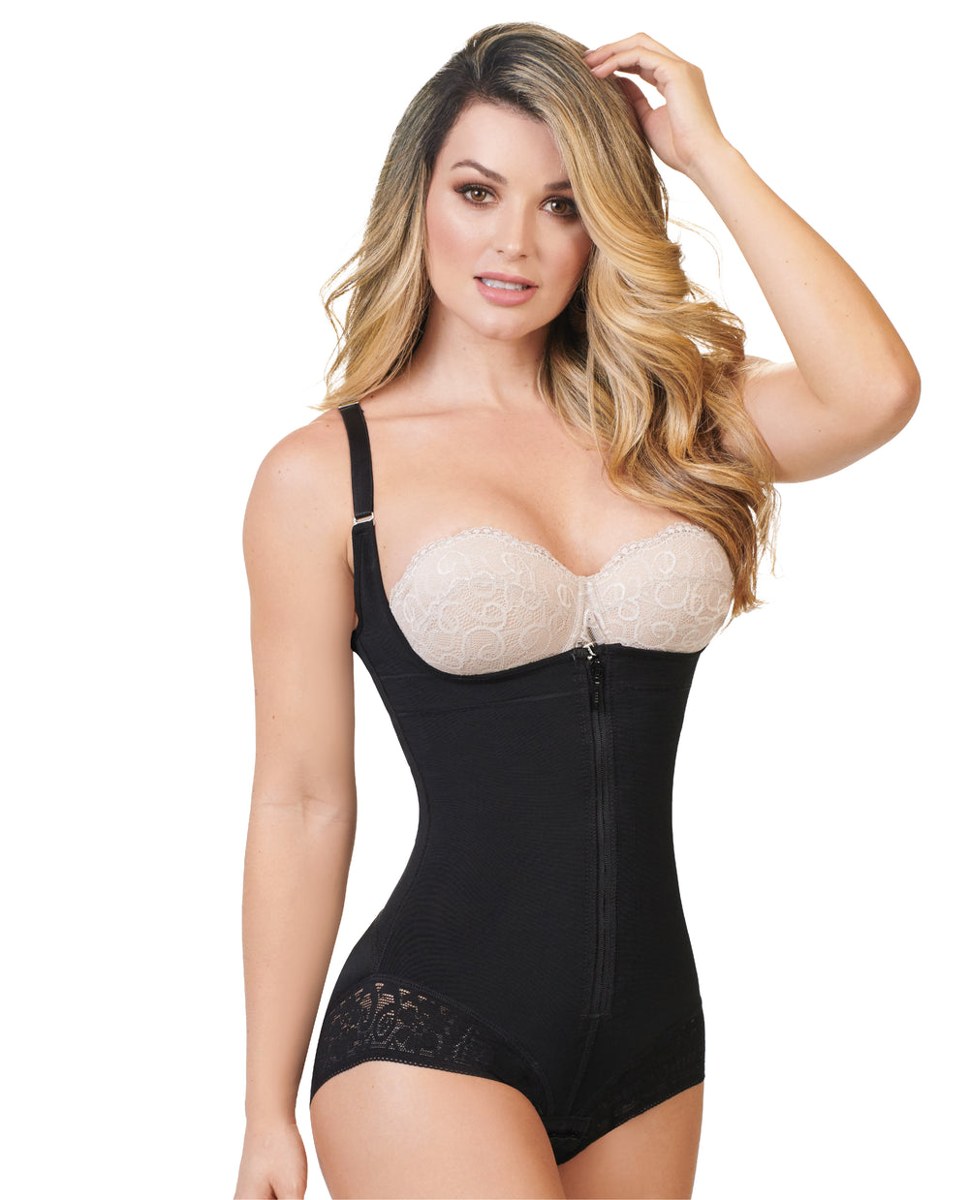 1613 High Compression Body Shaper for Women, Triple Powernet Tummy Control & Butt Lift
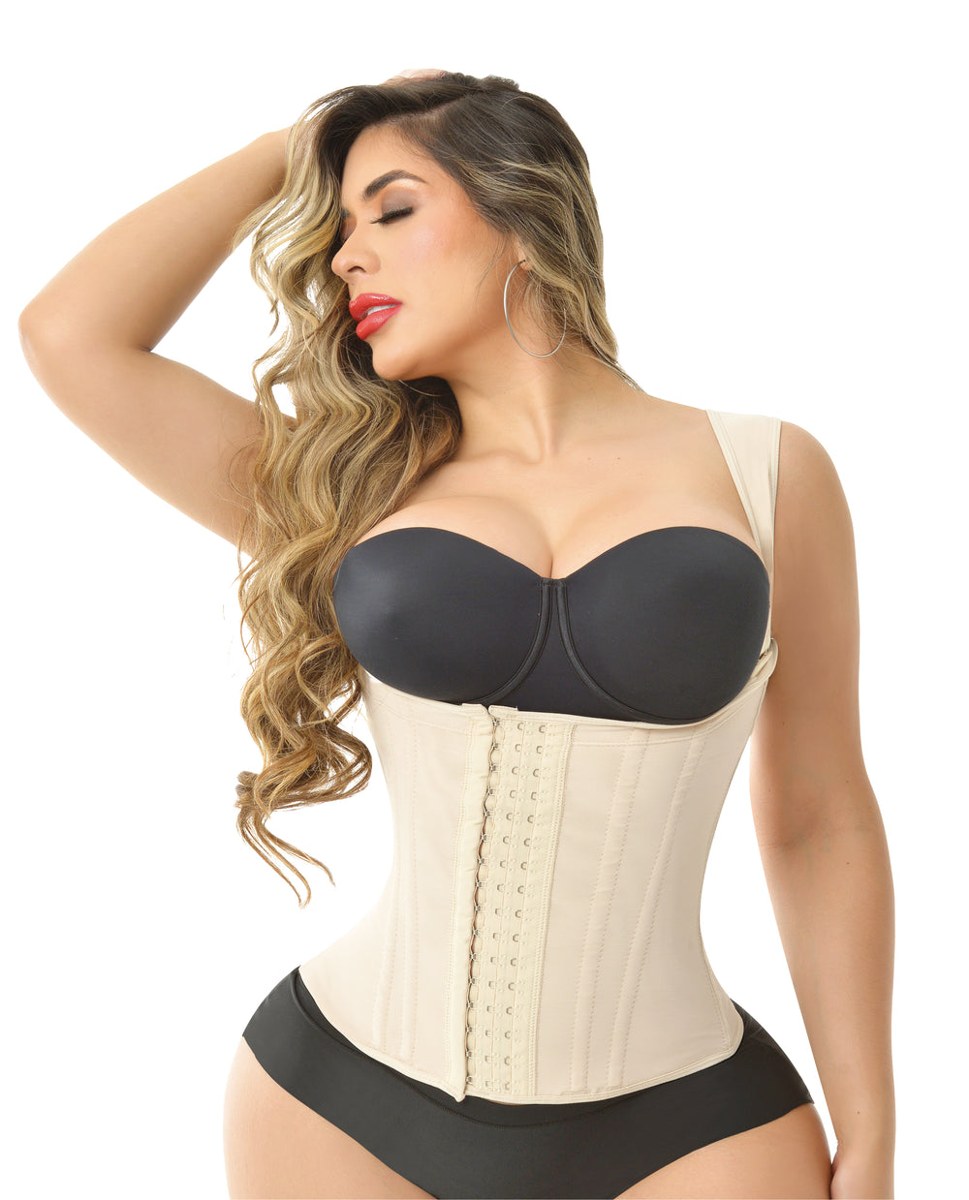 5055A Eva Stage 4 High Compression Vest
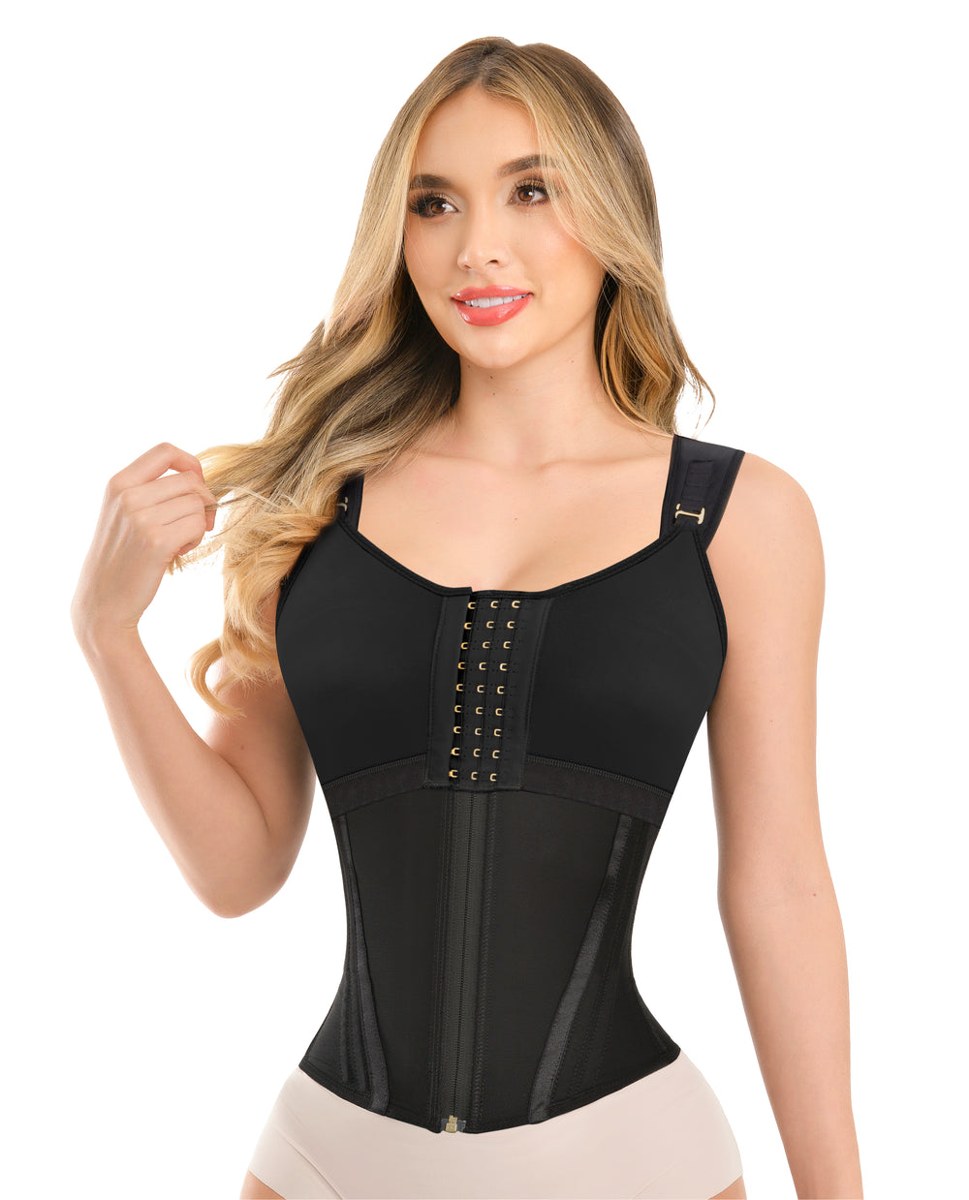 Ref. 8282 Stage 5 High Compression Body Shaper
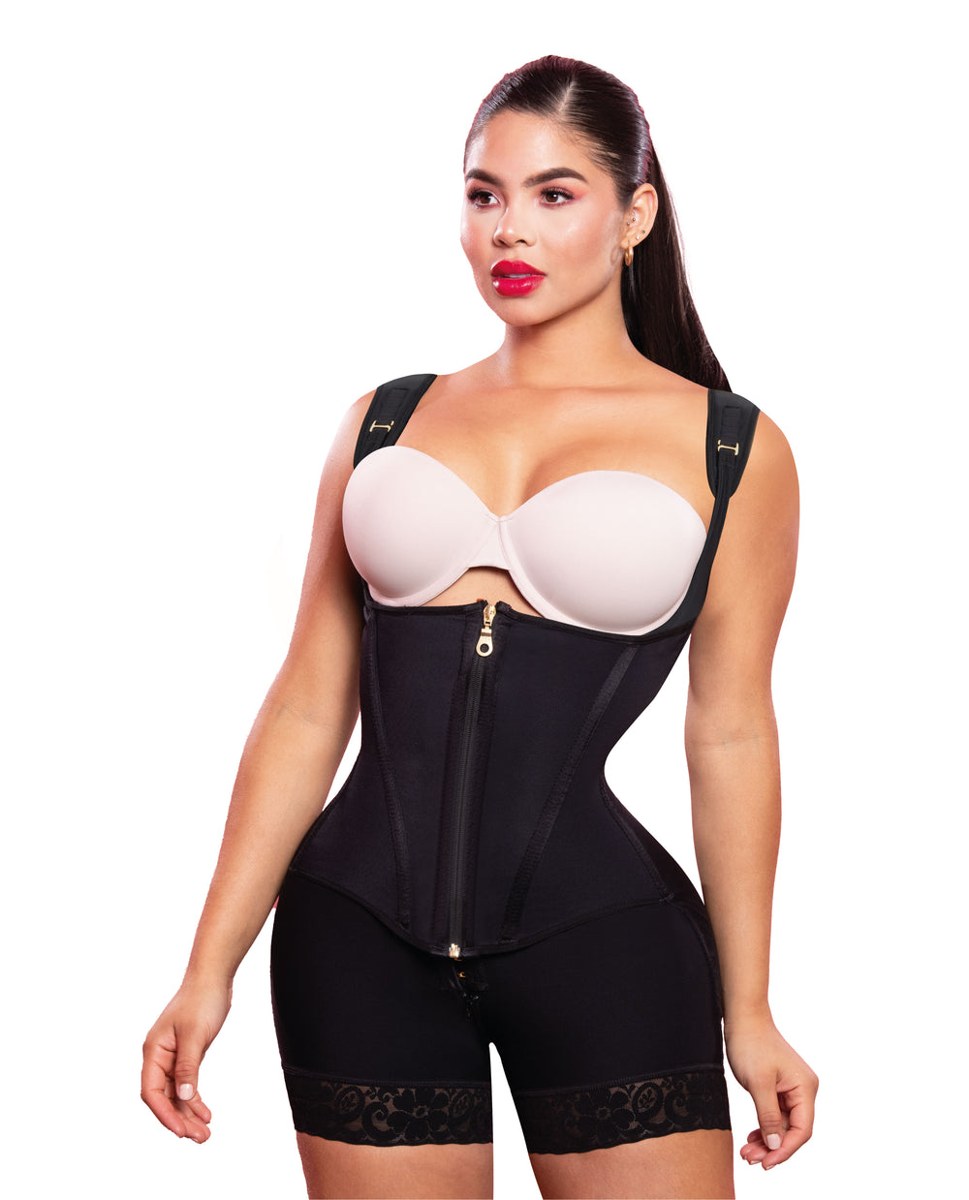 Ann Michell Stage 5 Waist Trainer | High Compression Tummy Control
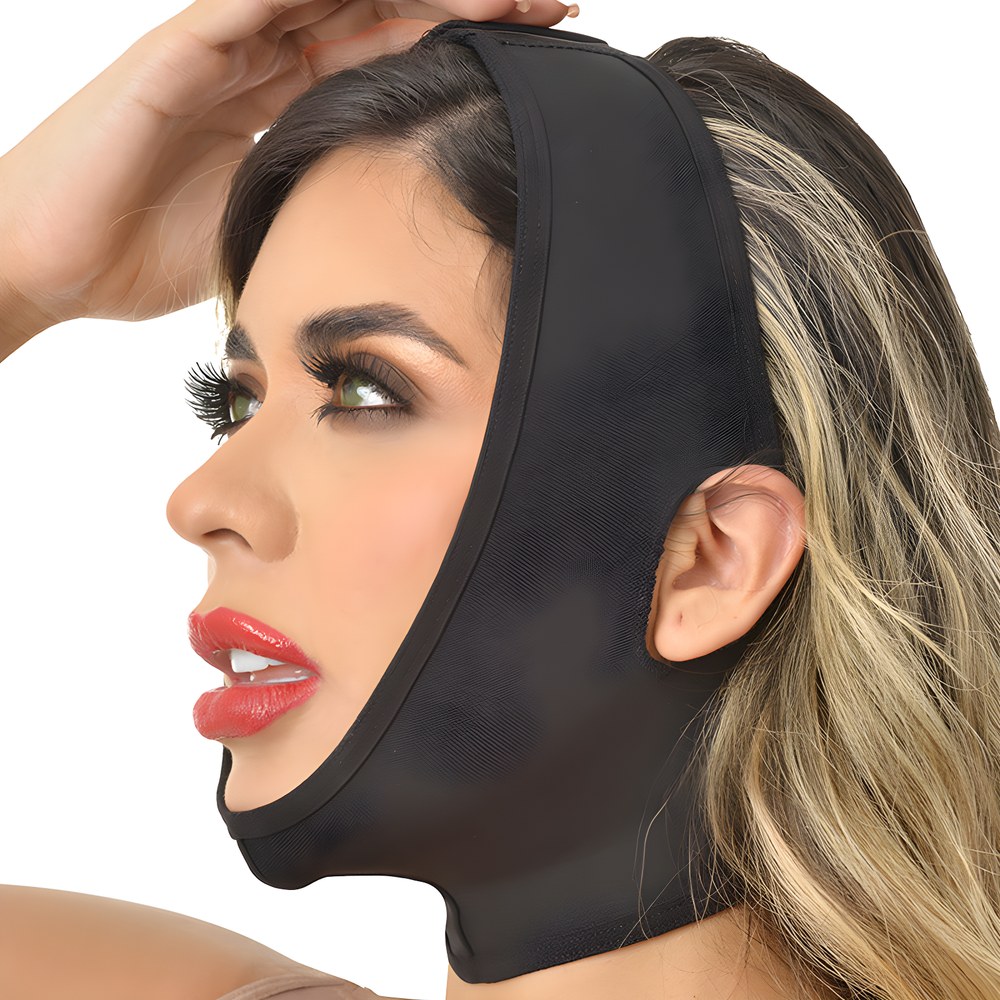 Ann Michell Post-Op Facial Compression Chin Strap 1525
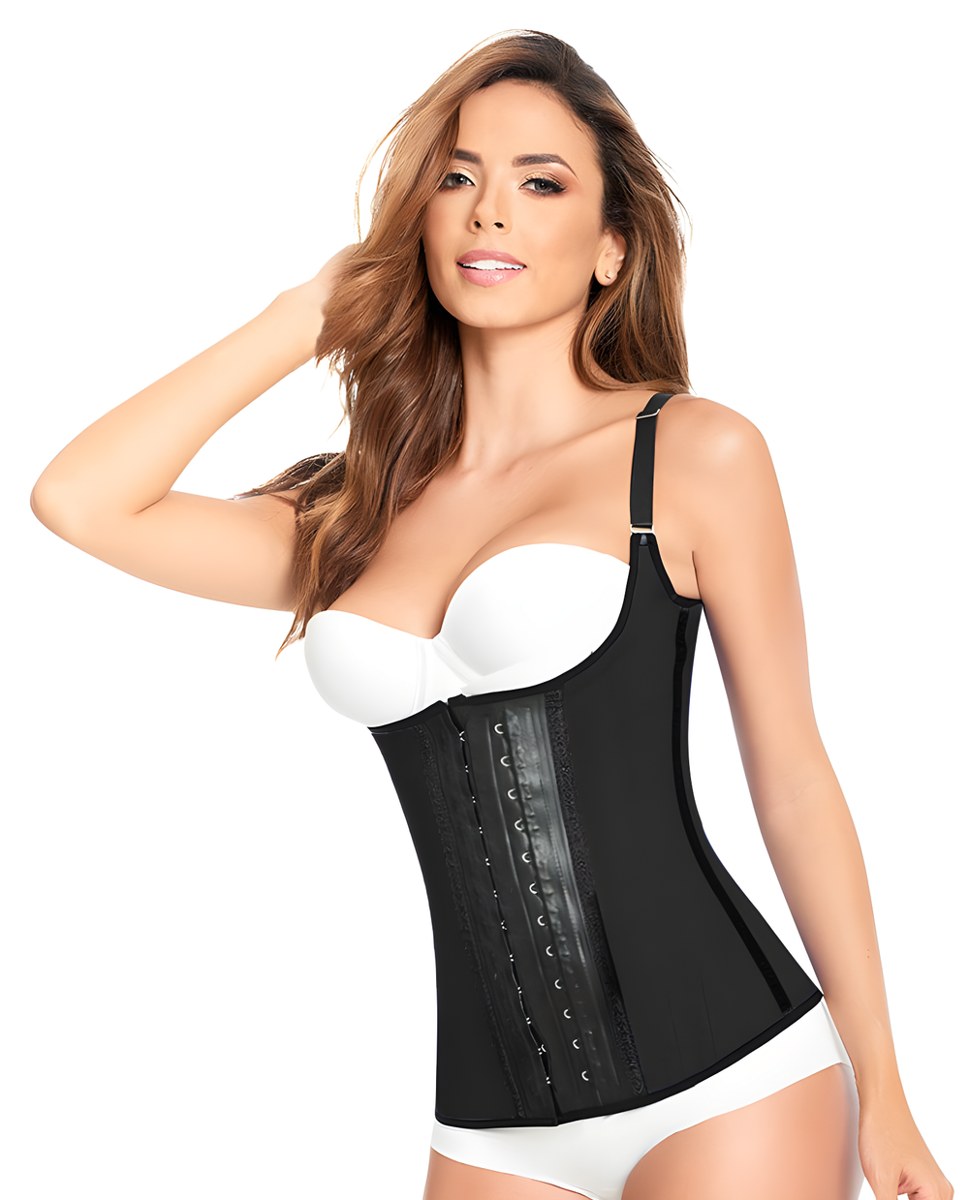 Vest Straps 2 Hooks Black Stage 4 Colombian Latex Training Vest – High-Compression Waist Shaper & Sweat Booster 2029
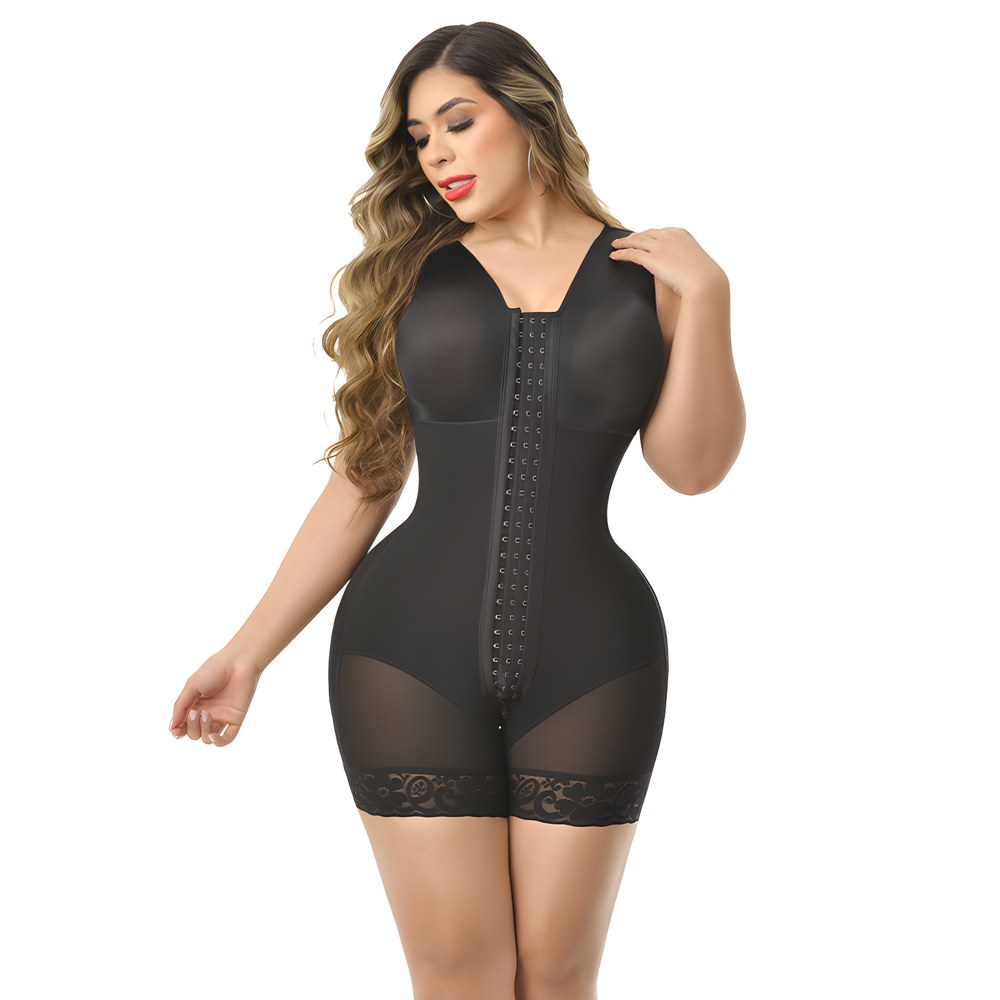 Ann Michell Millye – Stage 4 Colombian Compression Faja | Post-BBL Recovery, Hourglass, Short-Leg & Bra
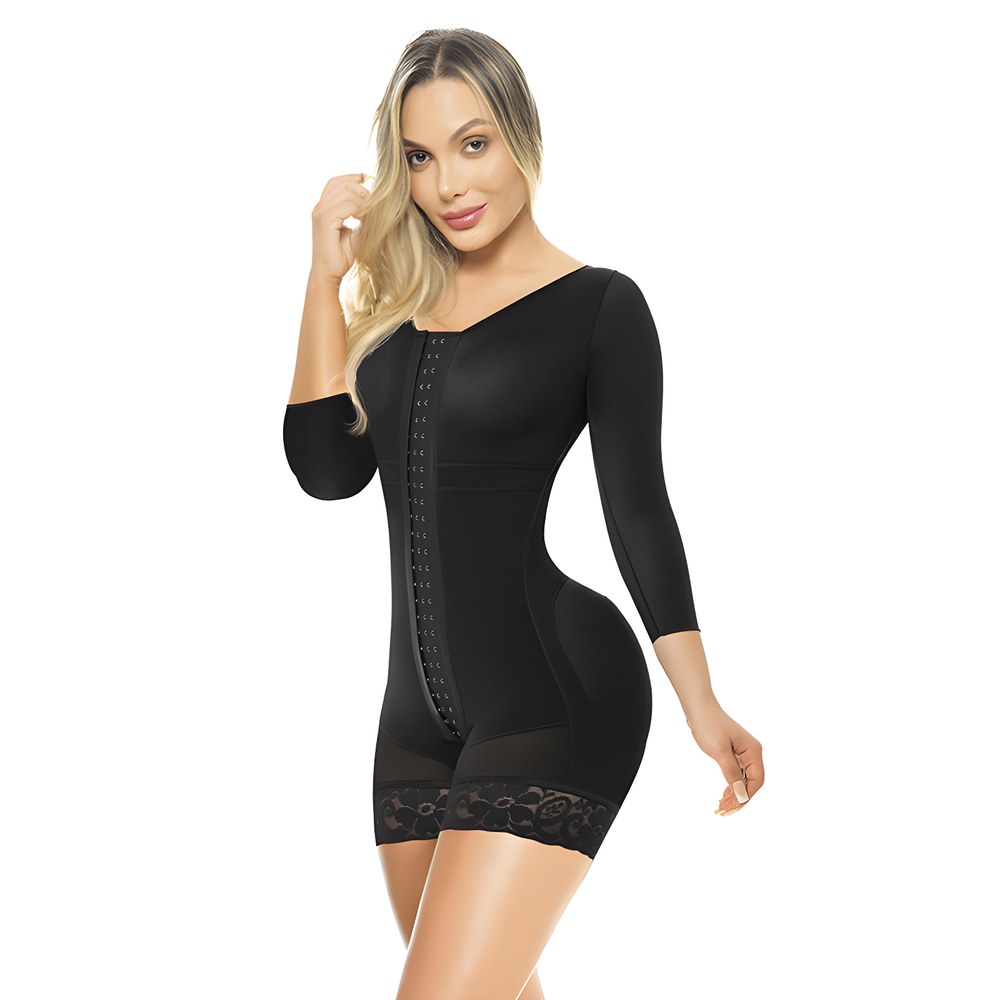 9573 Lexi – Stage 4 Colombian Hourglass Faja | Post-Surgery & BBL Recovery, Short-Leg, Sleeves & Bra
Frequently asked questions
What does maquila mean in Colombia?
In everyday Colombian sourcing language, maquila means contract manufacturing: a factory producing goods to your specification rather than selling you its own existing line. It isn't a single formal legal customs regime the way "maquiladora" is in Mexico; it's the term buyers and suppliers use across many sub-industries, textiles, cosmetics, pharma, beverages and more.
Is private label the same as maquila?
They overlap but aren't identical. Private label usually means customizing branding and packaging on a product the factory already knows how to make. Maquila (contract manufacturing) more often means the factory building to your own spec, formula or pattern, sometimes from scratch.
What's marca blanca?
Marca blanca is the Spanish term for white label or private label. It's used natively across Colombian sourcing searches, not just as a translated English term, including specific searches like "cafe marca blanca" (private label coffee) and "laboratorio cosmetico marca blanca" (private label cosmetics lab).
Which has a higher minimum order quantity, private label or contract manufacturing?
Contract manufacturing typically runs higher, because the factory is often setting up new tooling, a new formula, or a new process specifically for your order rather than drawing from a standard run. Always get the exact MOQ in writing rather than assuming based on the category.
Who owns the mold or formula in a contract manufacturing deal?
This has to be negotiated and written down explicitly; it isn't automatic either way. If you paid for new tooling or provided a proprietary formula, put in writing who owns it if the relationship ends.
What is Plan Vallejo and how does it relate to maquila?
Plan Vallejo is Colombia's formal government mechanism (Sistema Especial de Importacion-Exportacion) that lets registered exporters temporarily import raw materials or capital goods with duty exemption, as long as those inputs are used to produce goods for export. A factory operating under it is a real, checkable government registration worth confirming directly.