 Trade
TradePrivate Label Swimwear Manufacturers in Colombia: What to Ask Before You Sign
A private label swimwear manufacturer makes swim garments to your specifications and lets you sell the finished product under your own brand name, instead of you reselling a factory's already-branded line at wholesale. Before you sign anything, get five things in writing: minimum order quantity (MOQ) per style and color, sample lead time and cost, where the base fabric and elastane yarn come from (it decides your US duty bill), whether the deal is exclusive to your brand, and who holds the money between the day you pay and the day the goods arrive.
From AJAW Trade Send your tech pack or reference styles — we'll match you with verified private-label swimwear factories in Colombia. Send your tech pack →
Key takeaways
- A private label swimwear factory produces garments for other brands; a Colombian swimwear brand sells its own line under its own name. Ask directly which one you're talking to.
- Swimwear can enter the US duty-free under the U.S.-Colombia Trade Promotion Agreement's "yarn-forward" rule, but only if the fabric and elastomeric (spandex/elastane) yarn originate in the US or Colombia, or qualify for the agreement's short-supply exception (USTR, checked 2026-09-22).
- US apparel imports from Colombia (HS chapters 61 and 62, knitted and woven) totaled roughly $210.5 million in 2025 — a real category, not a niche one (AJAW Trade analysis of UN Comtrade data, 2025).
- Every swimsuit sold in the US needs a compliant textile label: fiber content by weight, country of origin on the front of the label, and either the manufacturer's name or a Registered Identification Number (FTC, checked 2026-09-22).
- A physical sample, approved in writing, catches fit and fabric problems that photos and video calls miss — rushing this step is the most common private-label mistake with stretch fabric.
What "private label" actually means here
A private label swimwear factory is not the same thing as a swimwear brand that happens to be based in Colombia. Autocomplete search data shows buyers searching both patterns: "swimwear manufacturers in medellin colombia" (a manufacturer search) and "colombian bathing suit brands" (a consumer-brand search) are two different intents (AJAW Trade analysis of Google autocomplete data, Sept 2026). You want the first: a factory whose business is producing garments for other people's labels, with cutting, sewing and finishing capacity, not a factory that only makes its own line and occasionally takes side orders.
Ask directly whether private label is a stated part of the factory's business or something they do informally on request. A factory set up for it will have a sampling process, a way to quote per-style pricing separate from its own retail line, and, ideally, other private-label clients it can reference without necessarily naming them.
Private label, contract manufacturing, and white label: not the same thing
Buyers use these terms loosely, and Colombian factories do too, but the three models answer different questions about control and cost.
| Model | Who designs the product | Typical MOQ | Who owns the tooling/mold | Best for |
|---|---|---|---|---|
| Private label | Factory (you customize branding, packaging, sometimes fit) | Lower — factory reuses existing patterns | Factory | Getting to market fast with a proven base product |
| Contract manufacturing (maquila) | You (your own spec, pattern, or formula) | Higher — factory builds new tooling for you | Negotiable, often the buyer if they paid for it | A differentiated product no factory already makes |
| White label | Factory (identical product, only the label changes) | Lowest — often the factory's standard run | Factory | Testing a category before investing in customization |
For a deeper walkthrough of how to tell which one you're actually negotiating, see Private Label vs. Contract Manufacturing (Maquila).
Why the fabric sourcing question decides your duty bill
This is the detail most first-time buyers skip, and it's specific to apparel with stretch fabric. Under the U.S.-Colombia Trade Promotion Agreement (TPA), qualifying textiles and apparel must be "produced using U.S. or Colombian yarns and fabrics" to enter the US duty-free — the "yarn-forward" rule of origin (USTR, Textiles and Apparel in the U.S.-Colombia TPA, checked 2026-09-22). USTR is explicit that this extends to swimwear's core input: elastomeric yarns — the category that includes spandex and elastane — "must be sourced from the region for textiles and apparel products to qualify for duty-free entry" (USTR, checked 2026-09-22). If your factory imports its spandex from outside the US-Colombia region, that single input can knock the finished garment out of duty-free eligibility even if everything else about it is made in Colombia. Outside the trade agreement, Colombia's own average textile tariff runs around 18.3 percent (USTR, checked 2026-09-22) — a useful reference point for what you're avoiding when a garment does qualify.
There's a safety valve: the agreement includes a short-supply exception, "a streamlined process" that allows yarns or fabrics genuinely unavailable in the region to be sourced elsewhere without losing duty-free treatment (USTR, checked 2026-09-22). A factory that already exports under the TPA should be able to tell you, specifically, whether its spandex and main fabric qualify, or whether it's using a short-supply exception. If it can't answer, get the answer before you commit to pricing — it affects your landed cost, not just your margin.
Apparel is a real, if modest, slice of what the US buys from Colombia: HS chapter 61 (knitted apparel) brought in about $105.5 million in 2025, flat year over year, and chapter 62 (woven apparel) brought in about $105.0 million, down slightly — a combined $210.5 million (AJAW Trade analysis of UN Comtrade data, 2025). Swimwear sits inside those two chapters alongside everything else Colombia sews for the US market.
Browse waist trainer factories in Colombia
Real, approved Colombian manufacturers making waist trainers and shapewear - ready to quote.
Browse Fajas Suppliers →Nine questions to ask before you sign
- What's the MOQ, and does it apply per style, per color, or across the whole first order?
- What does a sample cost, how long does it take, and is that cost credited against your first production order?
- Where does the base fabric come from, and where does the elastane/spandex come from? (The yarn-forward question above.)
- Is the arrangement exclusive to your brand, or does the factory sell the same molds, prints or cuts to other buyers?
- Who owns the pattern or mold if you stop ordering — you or the factory?
- What's production lead time after you approve the sample, in writing, not verbally?
- Can the factory produce garments with a compliant fiber-content and country-of-origin label, or is labeling your responsibility after import?
- What happens, contractually, if a shipment doesn't match the approved sample?
- Who holds your payment between the day you pay and the day you confirm the goods arrived as agreed?
Labeling rules apply no matter where the swimsuit is sewn
Regardless of which factory you choose, a swimsuit entering the US needs a label that meets FTC textile rules. Fiber content has to be listed "in descending order of predominance" by weight using generic fiber names, and the label needs "the country where the products were processed or manufactured" plus either the manufacturer's company name or a Registered Identification Number (RN) — an RN isn't legally required if you use the company's actual name instead (FTC, Threading Your Way Through the Textile and Wool Acts, checked 2026-09-22). Everything has to be "clearly legible, conspicuous and readily accessible." For a garment with a neck, country of origin specifically has to sit on the front of the label, attached to the inside center of the neck (FTC, checked 2026-09-22) — a detail worth checking on a physical sample, not just a spec sheet.
Separately, general clothing textiles sold in the US fall under the Flammable Fabrics Act's wearing-apparel flammability standard, 16 CFR part 1610 (CPSC, Flammable Fabrics Act, checked 2026-09-22). CPSC's own published guidance doesn't call out swimwear by name the way it does children's sleepwear, so don't assume an exemption — ask your factory whether its swim fabric has been tested against the standard, and get that answer in writing alongside the label question.
Ask upfront whether the factory sews in compliant labels as part of production, or whether you'll need to add them yourself after import.
Sampling and approval: the step most buyers rush
A swimsuit sample tells you more than a spec sheet ever will: fit, stitch quality on stretch seams, how the fabric behaves wet versus dry, and whether the print or color actually matches what you approved. Rushing this step to save two or three weeks is the most common private-label mistake with apparel generally, and it's worse with swimwear because stretch fabric hides fit problems in a flat photo that show up immediately on a body. Ask for a physical sample, not a video call, before you approve anything, and get the factory to confirm in writing that production will match the approved sample, not just "similar to."
If the first sample isn't right, a second round is normal and isn't a red flag on its own. What should be: a factory that won't commit to a written description of what changed between sample rounds, or one that wants full payment before you've seen a physical sample at all.
Contract terms, Incoterms, and where the risk actually sits
A verbal understanding about exclusivity, MOQ, or sample cost is not a contract. Get the terms that matter — price, quantity, lead time, and what happens if the goods don't match the sample — written into the quote you accept, and keep the record. Get the Incoterm in writing too: Incoterms are the standard international trade terms that define who pays for freight, insurance and risk at each leg of the shipment. FOB (Free on Board) is common in apparel quoting and means the factory's price covers the goods loaded at the Colombian port; everything after that — ocean freight, insurance, US customs — is on you unless you've negotiated otherwise. Confirm the Incoterm before you compare two quotes, because a lower FOB price and a higher landed-cost price can be the same deal described two different ways. You're also the importer of record on the US side, meaning you (not the Colombian factory) are legally responsible for correct customs entry and any duty owed, even if a broker files the paperwork for you (CBP, Tips for New Importers and Exporters, checked 2026-09-22).
This is also where payment protection matters most: a factory you've never met, on the other side of a wire transfer, is a real risk regardless of the country. AJAW Trade holds the buyer's payment and releases it to the manufacturer only once the buyer confirms delivery, instead of asking a first-time buyer to wire money directly to an unverified factory; the mechanics are at /protection and /secure-payments.
Compare manufacturers on AJAW Trade
Where AJAW fits, honestly
AJAW Trade is early. The live catalog of verified Colombian manufacturers, including apparel factories, is still small and growing category by category rather than claiming full coverage today. What's already live: a searchable manufacturer directory at /manufacturers — including the shapewear and fajas category at /manufacturers/colombia/waist-trainer-and-shapewear-fajas, the apparel-adjacent category with the most listed Colombian factories today — category and keyword search at /search, and a request-for-quotation flow at /rfq so you can put your MOQ, fabric and private-label requirements in writing to more than one factory at once. AJAW charges the manufacturer a 10% commission, not the buyer, and doesn't take a cut until an order actually closes.
If you're a buyer: browse the catalog or post a sourcing request describing your swimwear specs, quantity and target Incoterm at /rfq. If you're a Colombian manufacturer with private-label swimwear capacity: list your products free at /sell — AJAW doesn't charge to be listed, only when an order closes. For more on how a Colombian apparel factory floor actually runs day to day, see Inside a Colombian Faja Factory, and for the broader "why South America instead of Asia" case, see Make It in South America, Not China.
Compare verified manufacturers in Colombia
Real, approved factories by category - shapewear, apparel, coffee and more.
Browse Colombia Manufacturers →Shop products from this article
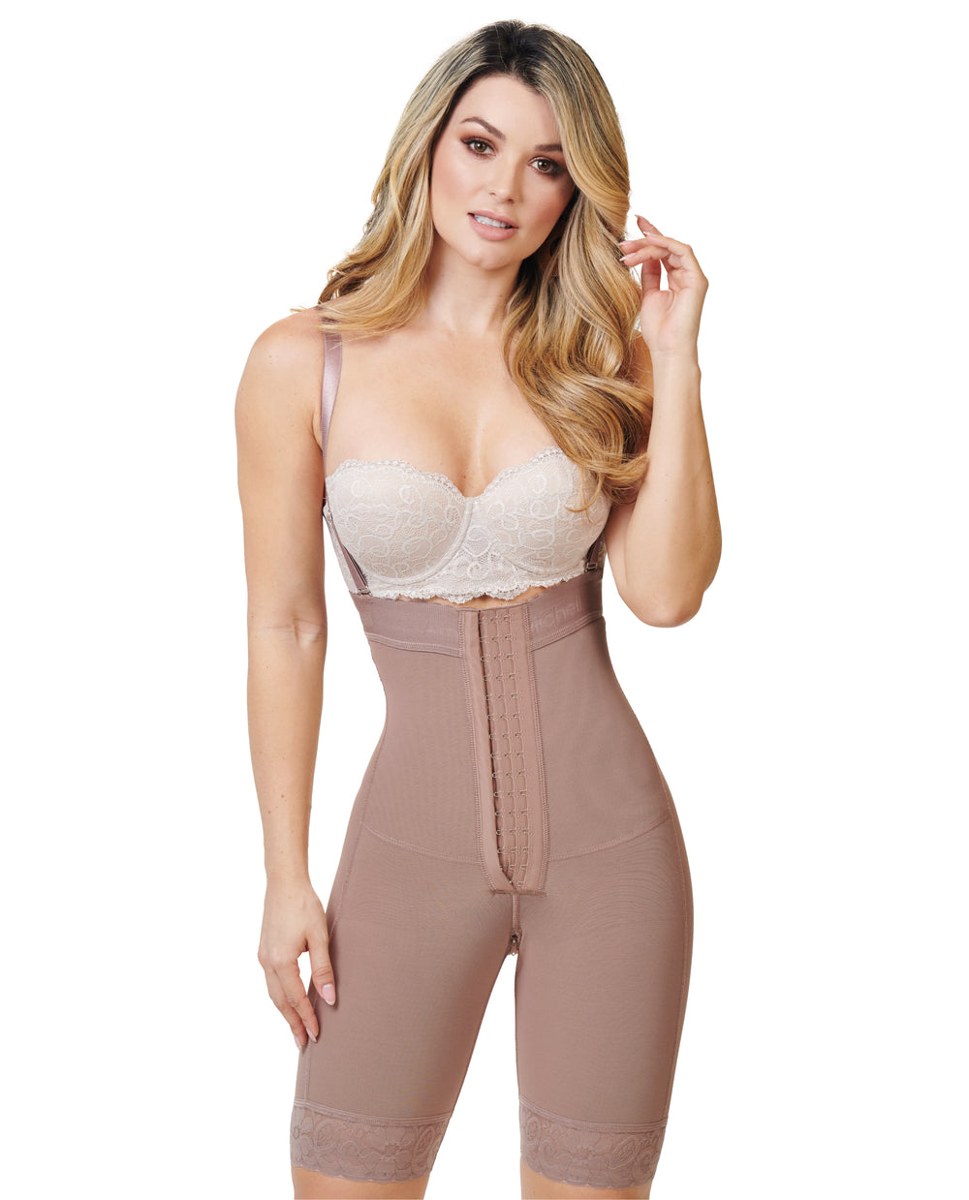 6152 Vanessa Strapless Mid-Thigh Faja | Full-Body Shaper
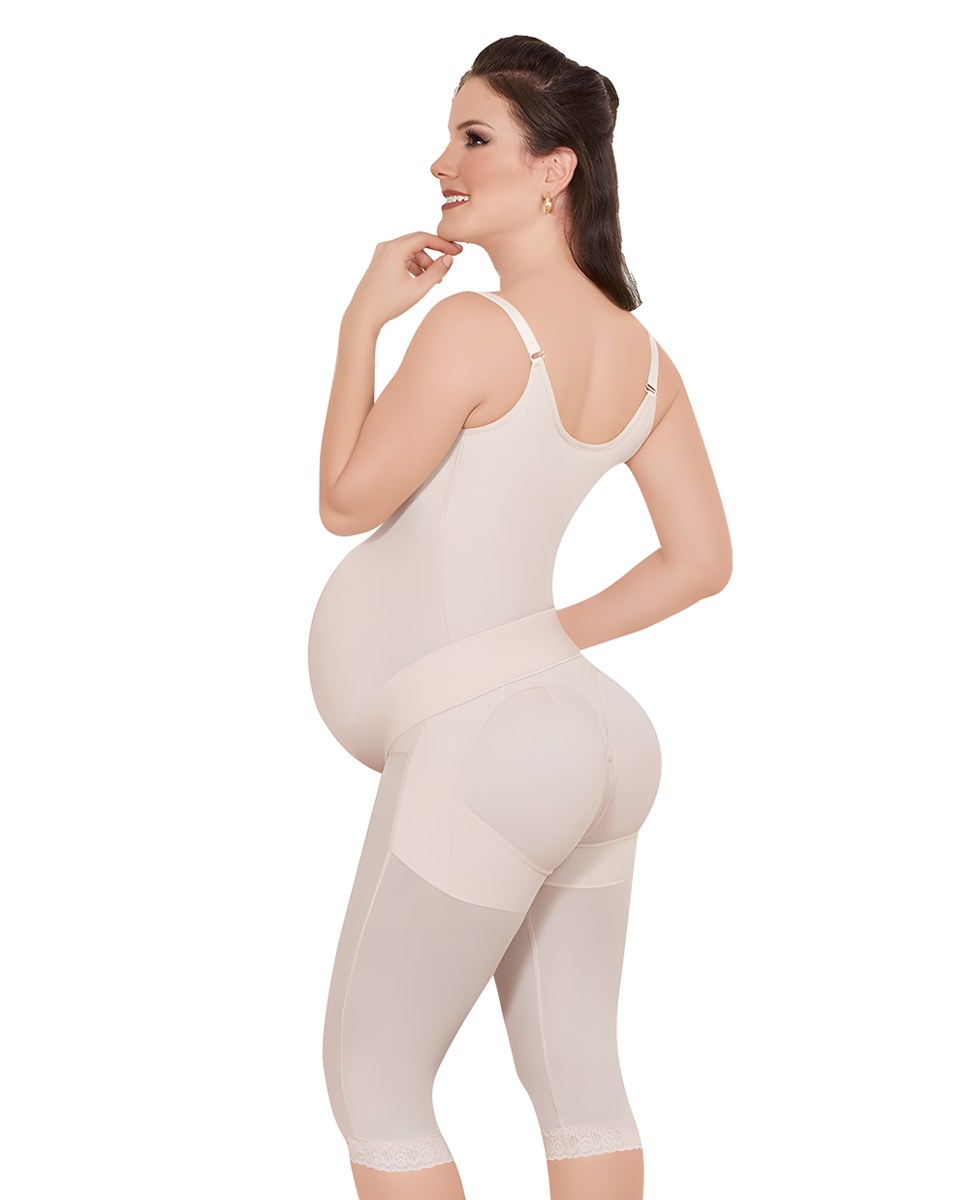 Ann Michell Luciana – Full-Body Colombian Shaper Faja | Compression Shapewear
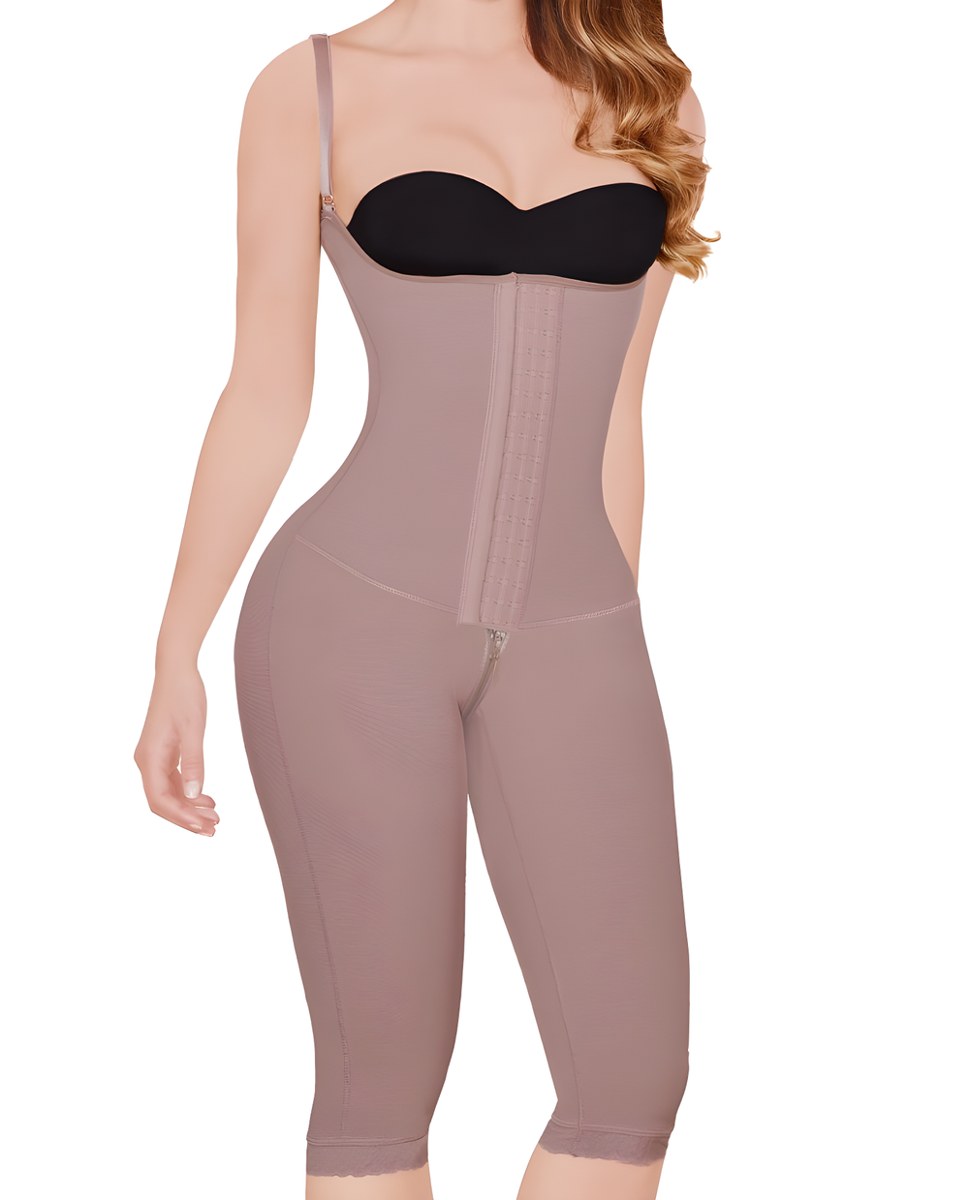 Ann Michell Ella – Full-Body Colombian Shaper Faja | Compression Shapewear
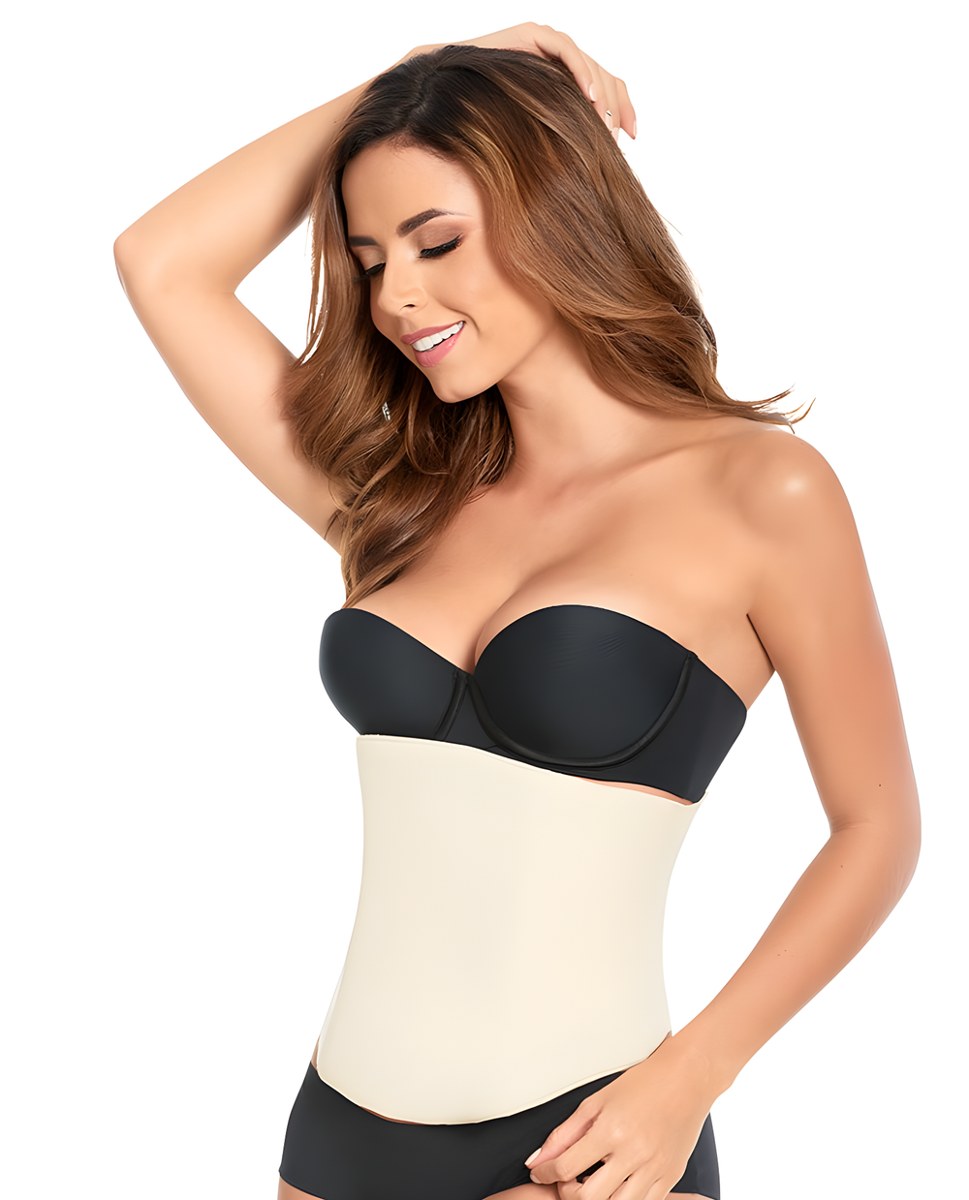 Ann Michell Full Posquirurgic Board
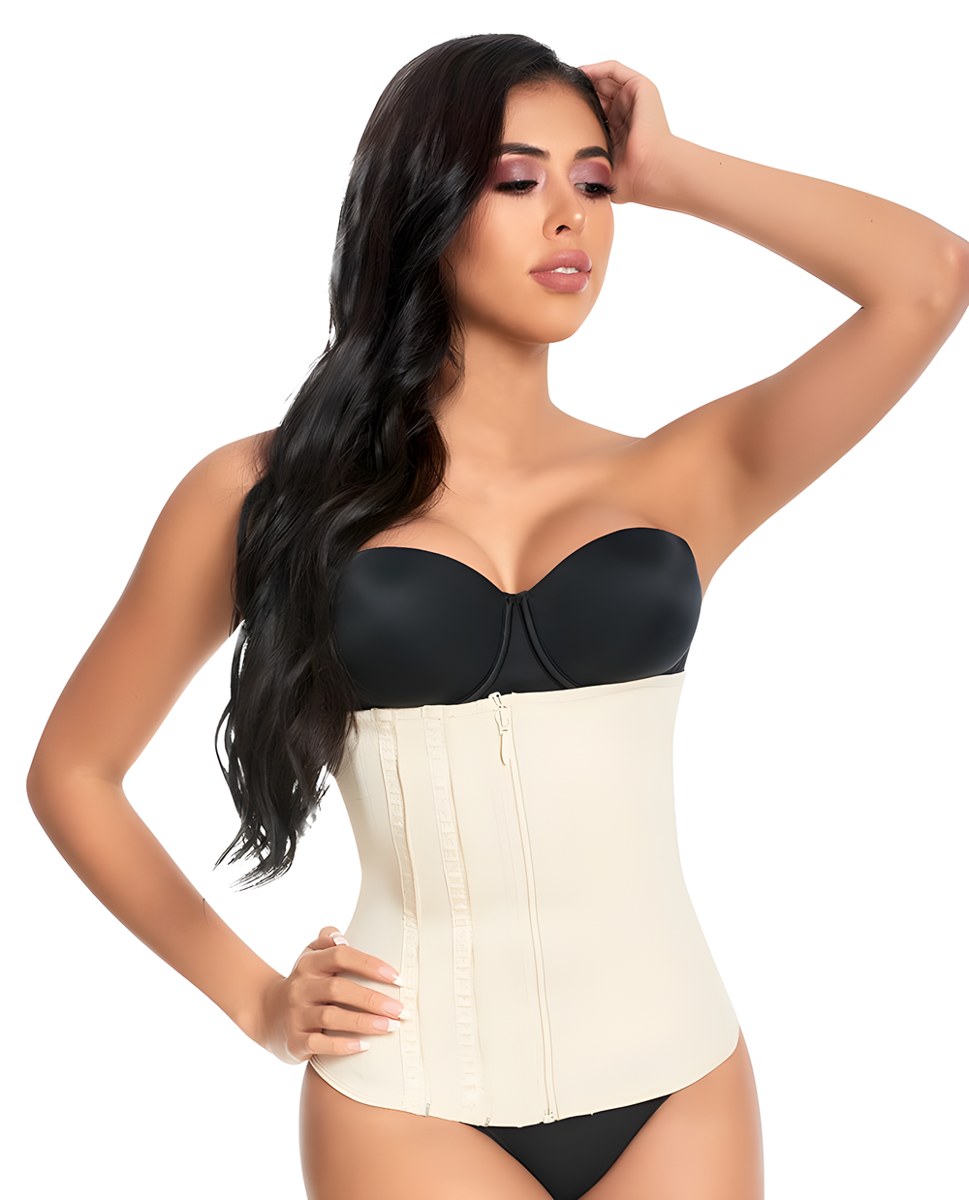 Ann Michell Sport Shaper With Zipper Latex – Full-Body Colombian Faja | Compression Shapewear
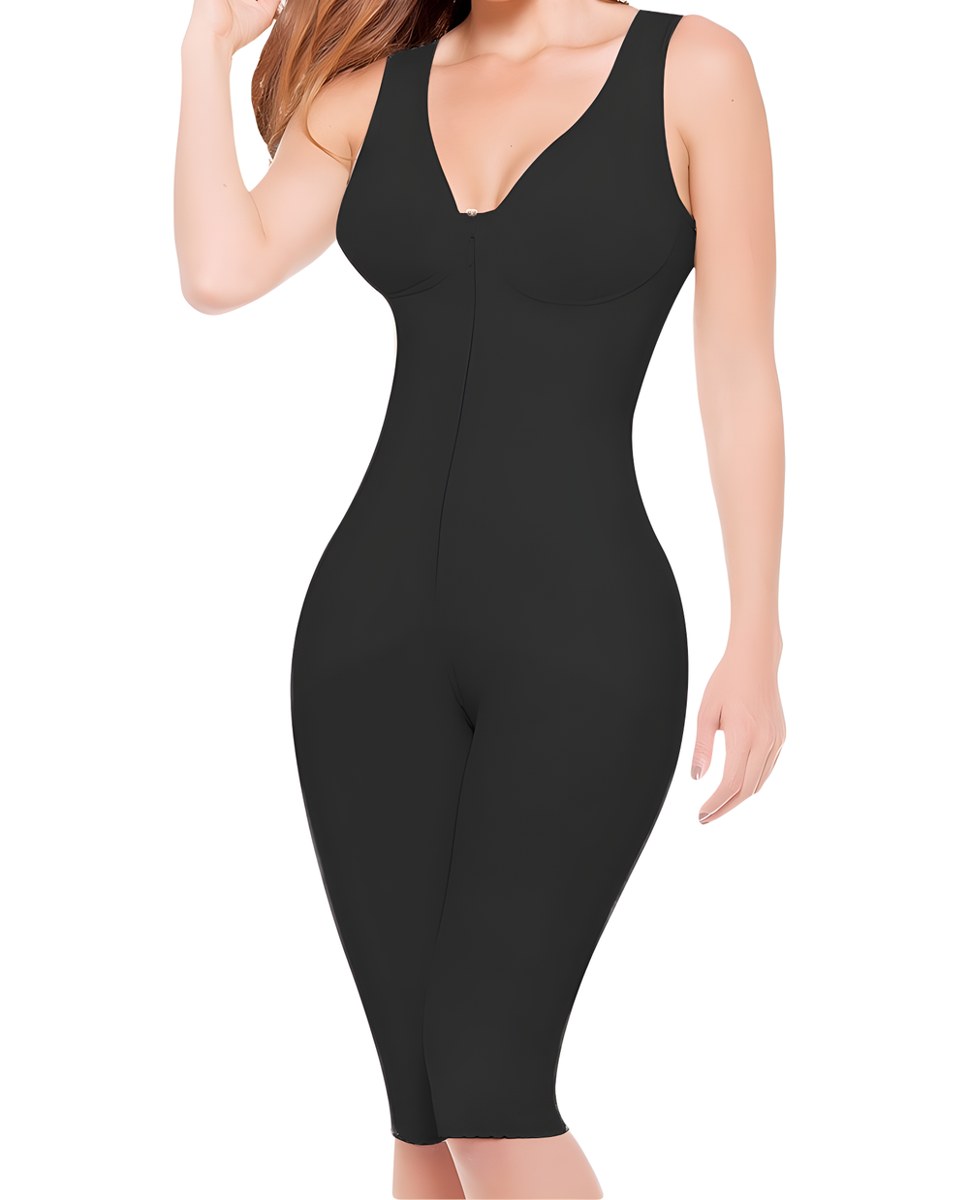 Ann Michell Venuz Black – Full-Body Colombian Shaper Faja | Post-Surgery & Postpartum Compression Shapewear
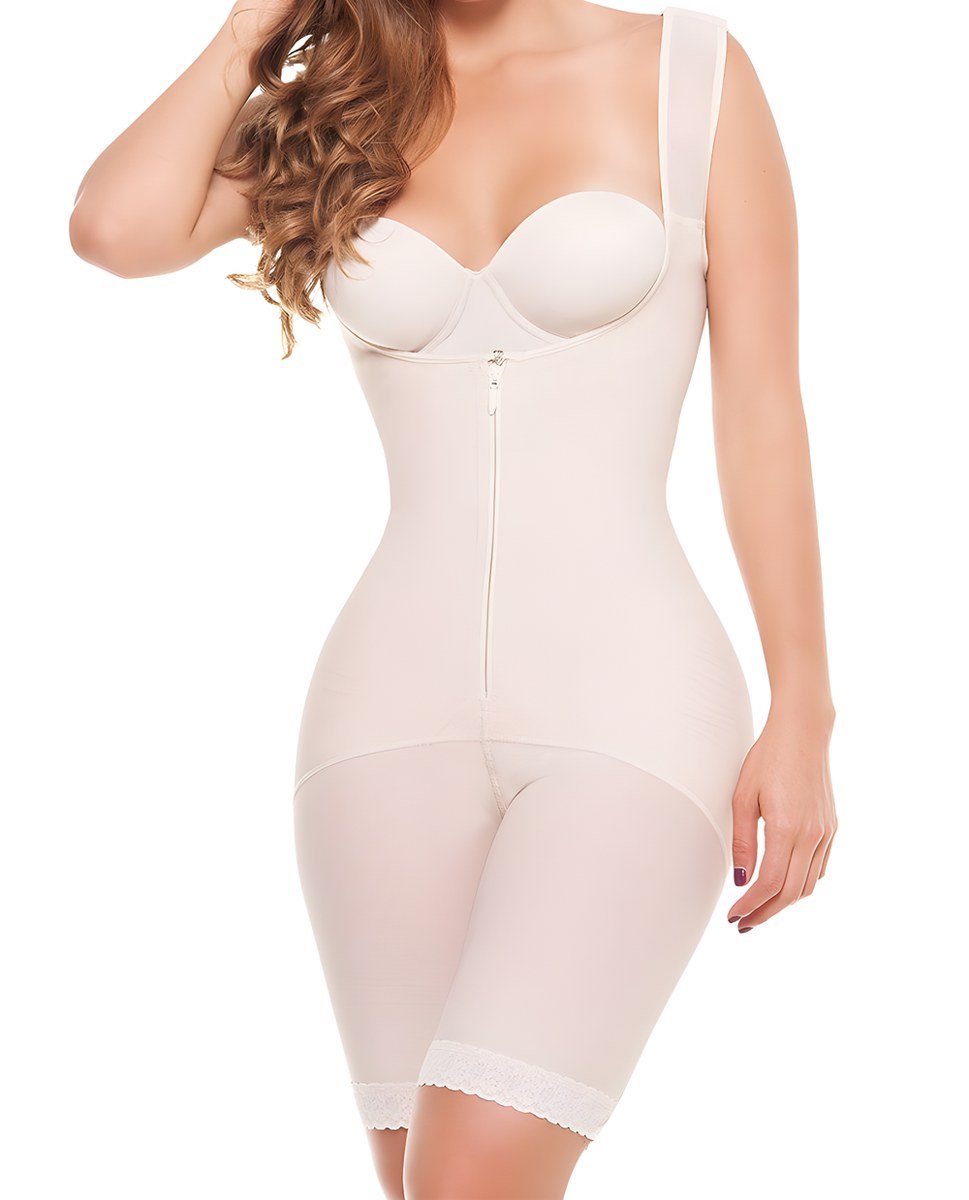 Ann Michell Jackeline – Full-Body Colombian Shaper Faja | Post-Surgery & Postpartum Compression Shapewear
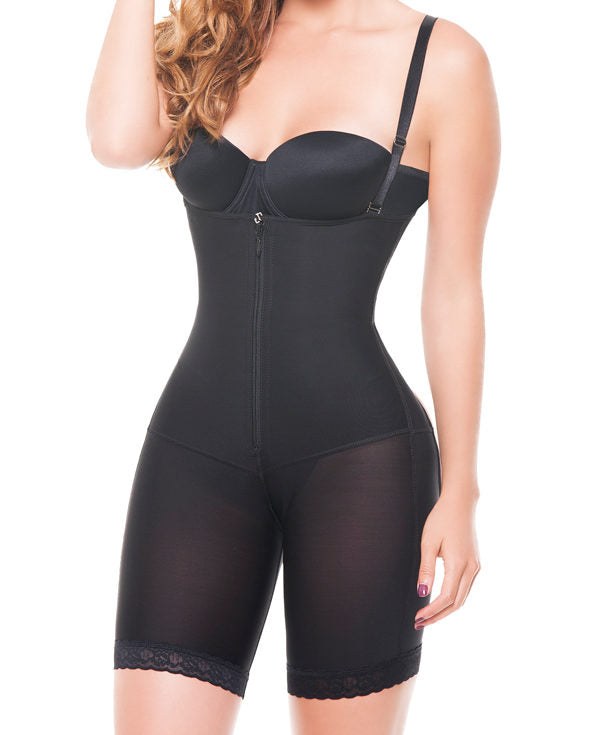 Ann Michell Anny Black – Full-Body Colombian Shaper Faja | Post-Surgery & Postpartum Compression Shapewear
Frequently asked questions
What is private label swimwear?
Swimwear produced by a factory to your specifications and sold under your own brand name, as opposed to a manufacturer's own labeled line that you'd simply buy wholesale. The factory handles production; you handle the brand.
Where are Colombia's swimwear manufacturers based?
Medellin is the country's best-known apparel manufacturing hub, including swimwear, alongside the wider shapewear and activewear factory base that often serves the same private-label buyers.
What's the difference between a private label swimwear manufacturer and a Colombian swimwear brand?
A Colombian swimwear brand sells its own designs under its own name. A private label manufacturer produces garments for other companies' brands. Some factories do both; ask directly which arrangement you're getting.
Does swimwear made in Colombia qualify for duty-free entry to the US?
It can, under the U.S.-Colombia Trade Promotion Agreement's yarn-forward rule of origin, but only if the fabric and elastomeric (spandex/elastane) yarn originate in the US or Colombia, or fall under the agreement's short-supply exception. Ask your factory directly where those specific inputs come from.
What MOQ should I expect from a Colombian private label swimwear factory?
It varies by factory and isn't something AJAW invents a number for. Get it in writing per style and color before you plan inventory or cash flow around it, and confirm whether it changes for a first order versus a repeat order.
Who is responsible for import duty on swimwear from Colombia, the buyer or the factory?
The US buyer, specifically the importer of record, is legally responsible for correct customs classification and for paying whatever duty, taxes and fees CBP assesses, even if a customs broker files the entry on their behalf.