 Trade
TradeInside a Colombian Faja Factory: How Waist Trainers Are Actually Made
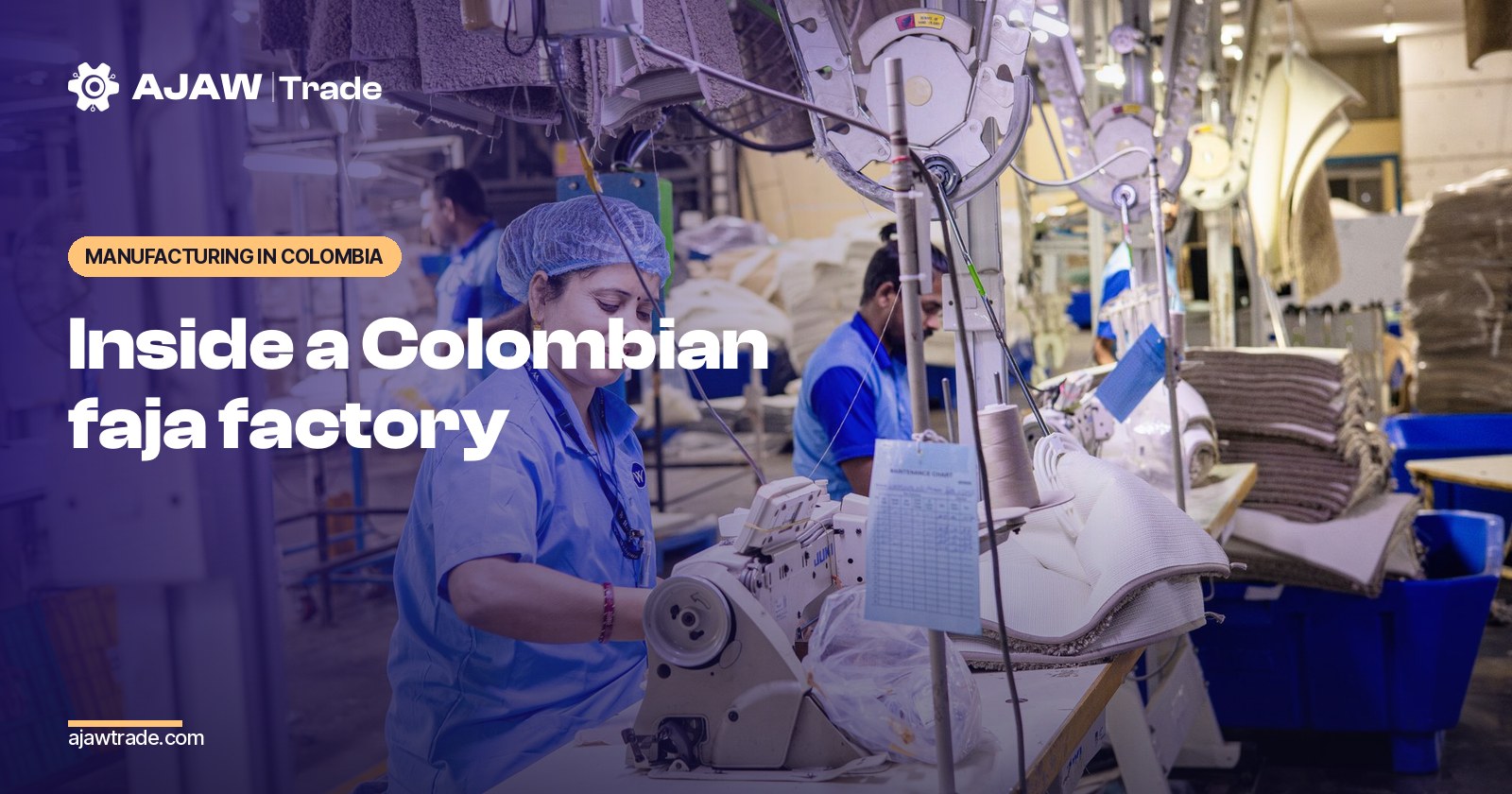
A faja is a compression garment built from powernet, latex, or a spandex-blend fabric, engineered to hold and shape the torso while worn. That's the honest, mechanical answer to "do Colombian waist trainers work": they compress and support the same way any structured compression garment does, and no serious factory should be claiming permanent body change from wearing one. What's real about the category is manufacturing depth — Colombia has a genuine, decades-old base of factories building these garments, and US search interest in the category is rising, not fading.
From AJAW Trade Real, approved factories by category - shapewear, apparel, coffee and more. Browse Colombia Manufacturers →
Key takeaways
- US search interest in "waist trainer" ran at 2.76 times the volume of "colombian coffee" over the past 12 months, rising, with a seasonal peak every April (AJAW Trade analysis of Google Trends, Sept 2026).
- US imports of Colombian knitted and woven apparel (HS chapters 61 and 62, which includes fajas) totaled about $210.5 million in 2025, flat to down year-over-year, smaller than the category's brand recognition might suggest (AJAW Trade analysis of UN Comtrade data, 2025).
- Elastomeric yarn — spandex, the fiber that gives a faja its compression — is excluded from the TPA's usual 10% de minimis allowance and must come from the US or Colombia to qualify for duty-free entry, full stop (trade.gov, Colombia FTA textile summary, checked 2026-09-22).
- Every faja sold in the US needs a fiber-content and country-of-origin label naming the specific country of manufacture, per FTC rules (FTC, checked 2026-09-22).
- General wearing apparel, shapewear included, must meet the flammability classification at 16 CFR part 1610, usually backed by a General Certificate of Conformity from the manufacturer or importer (CPSC, checked 2026-09-22).
What actually goes into making one
Fajas are built from layered stretch fabrics — most commonly powernet for structure and a softer lining against the skin — with boning or flexible inserts sewn into panels to hold shape under tension. Closures are typically hook-and-eye rows or zippers, sized to allow fit adjustment. None of this is exotic; it's the same construction category used for medical-grade compression wear, applied to a shapewear product. What varies factory to factory is fabric quality, stitch density at stress points, and whether the boning stays comfortable for hours, which is the difference a real sample tells you and a photo does not.
Sizing is where most of the real manufacturing skill in this category lives. A faja that fits one body shape well can fail badly on another if the factory hasn't graded its pattern across a real size run, not just scaled one sample proportionally. This is also where private-label buyers get burned most often: one well-fitted sample says very little about whether the factory can hold that fit across a production run of several hundred units in five or six sizes. Asking for a graded size set, not just one sample, is a fair and normal request before committing to volume.
The US rules that apply regardless of where it's made
Three separate US requirements apply to any faja or shapewear garment, whether it's made in Colombia, China, or anywhere else:
- Fiber content and origin labeling. FTC rules require a label listing "the generic fiber names and percentages by weight of each constituent fiber," in descending order, the specific country where the product was processed or manufactured, and the manufacturer or importer's name or Registered Identification Number (FTC, checked 2026-09-22).
- Flammability testing. Under the Flammable Fabrics Act, general wearing apparel must meet the flammability standard at 16 CFR part 1610, and manufacturers or importers typically issue a General Certificate of Conformity citing that standard (CPSC, checked 2026-09-22).
- Origin rules for duty treatment. For a garment to qualify for duty-free entry under the US-Colombia TPA, the yarn-forward rule applies: yarn and fabric generally need to be from the US or Colombia. A 10% de minimis exception exists for most fibers, but elastomeric yarn — spandex — is carved out of that exception entirely and must be regional (trade.gov, checked 2026-09-22). A factory that imports its spandex from outside the region won't qualify, even if the garment is cut and sewn in Colombia.
Getting it through US customs
None of the three rules above are optional add-ons. CBP treats apparel entries like any other commercial import: an accurate HS code (the classification number that sets the duty rate), correct entry documentation, and the importer of record — the buyer or their agent, legally accountable at the border — carrying "ultimate responsibility... for the correctness of the entry documentation presented to CBP and all applicable duties, taxes and fees" (CBP, checked 2026-09-22). A customs broker can handle the classification and filing, but the FTC labeling, the CPSC flammability certificate, and the TPA origin documentation all have to exist before that filing happens. A factory that has already produced a General Certificate of Conformity and a correct fiber-content label for a prior US shipment has effectively done this once already — a real, checkable difference from a factory that hasn't.
Browse waist trainer factories in Colombia
Real, approved Colombian manufacturers making waist trainers and shapewear - ready to quote.
Browse Fajas Suppliers →Factory vs. reseller: what to check before you order
| What you're checking | Real factory | Reseller / brand without production |
|---|---|---|
| Can produce a graded size set, not just one sample | Yes, on request | Usually has to ask its own supplier, adding a round-trip |
| Holds fiber-content and CPSC compliance documents | Should have them from prior US shipments | Depends on whether its factory shares them |
| Sets its own MOQ (minimum order quantity) | Directly, and can usually flex it for a repeat buyer | Passes through whatever its factory requires, often with a markup |
| Owns the pattern and grading | Yes | Not necessarily — may not be able to guarantee consistency if it changes suppliers |
The category is real, but still small in the trade data
It's worth being direct about scale. Colombia's combined knitted and woven apparel exports to the US (HS chapters 61 and 62, the two chapters that cover fajas and shapewear) totaled about $210.5 million in 2025, essentially flat for knitted goods and down year-over-year for woven (AJAW Trade analysis of UN Comtrade data, 2025). That's a real but modest formal export channel next to coffee's $2.76 billion the same year. The reputation of Colombian fajas as a product category is well established with US shoppers, and demand is rising — the same Trends data shows "waist trainer" search interest up over the last 12 months with an April seasonal peak (AJAW Trade analysis of Google Trends, Sept 2026) — but the formal export channel for apparel specifically is smaller than that reputation suggests, which is exactly why verifying a factory directly matters more here than in a mature export category.
Checklist before ordering private label from a Colombian faja factory
- Ask for the fiber content breakdown by weight, not just a fabric name like "powernet."
- Ask whether the factory can provide a General Certificate of Conformity referencing 16 CFR part 1610.
- Confirm whether the spandex/elastomeric input is sourced in Colombia or imported, since that determines TPA duty qualification with no exception.
- Get a real, worn sample before committing to a production run. Boning comfort and seam finishing don't show up in photos.
- Confirm sizing runs and grading, since fit is the single most common reason a shapewear order gets returned.
- Ask directly whether you're talking to the factory or a reseller, and ask the reseller to name its factory.
If you're also sourcing swimwear from the same apparel base, see Private Label Swimwear Manufacturers in Colombia — many factories in this category serve both. For the difference between a private-label run and a full maquila (contract-manufacturing) relationship, see Private Label vs. Contract Manufacturing (Maquila).
Where AJAW fits, honestly
AJAW Trade's Colombian apparel catalog, including shapewear, is real but still early, and it isn't the only channel to a given factory. What AJAW adds is payment protection: it holds the buyer's payment and releases it to the manufacturer only once the buyer confirms delivery, and it charges the manufacturer, not the buyer, a 10% commission. Browse the live category at /manufacturers/colombia/waist-trainer-and-shapewear-fajas, the broader Colombian catalog at /manufacturers/colombia, search shapewear specifically at /search, or send a direct sourcing request at /rfq. How the payment hold works is at /protection and /secure-payments. If you run a faja factory in Colombia, publica tus productos gratis en AJAW Trade at /sell.
Compare manufacturers on AJAW Trade
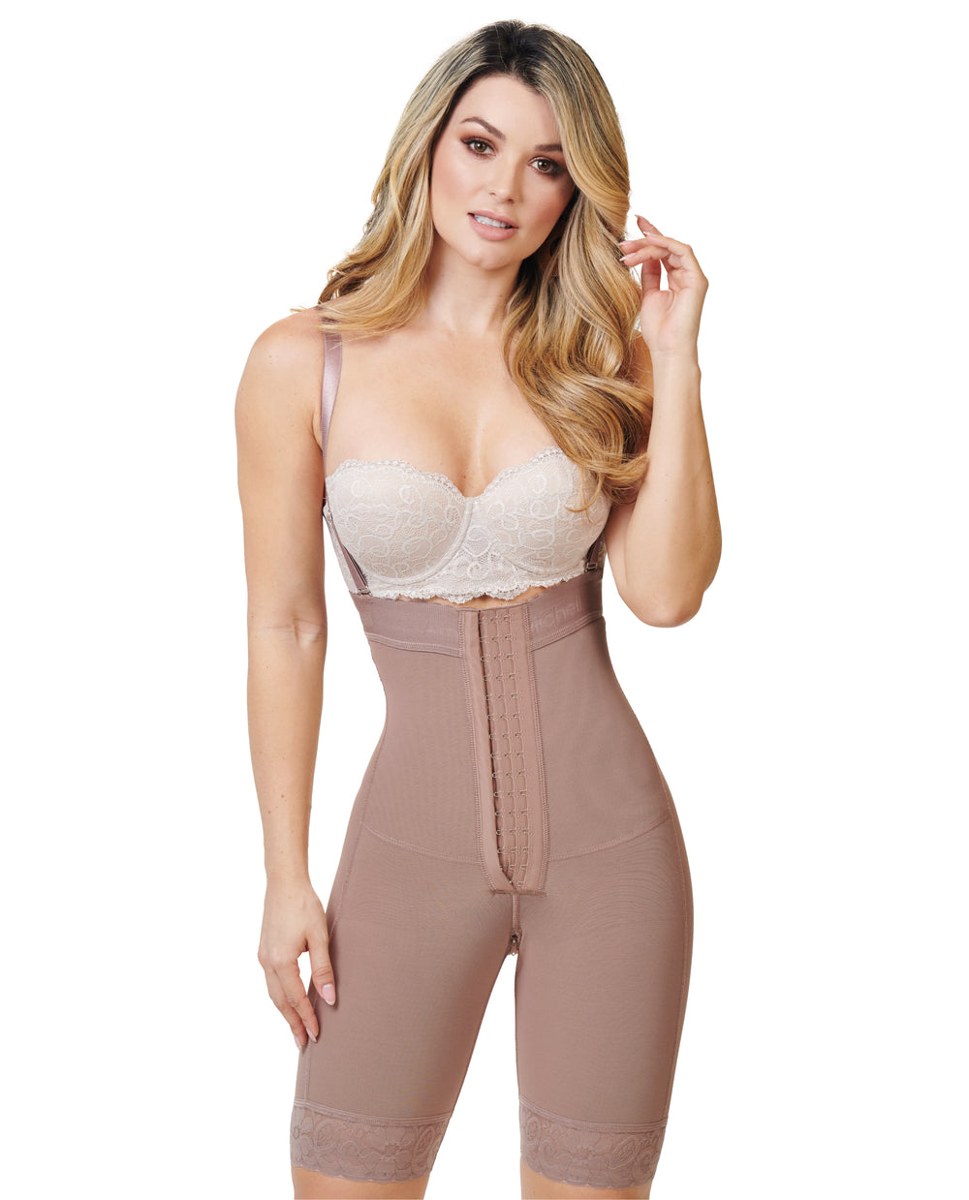 6152 Vanessa Strapless Mid-Thigh Faja | Full-Body ShaperView →
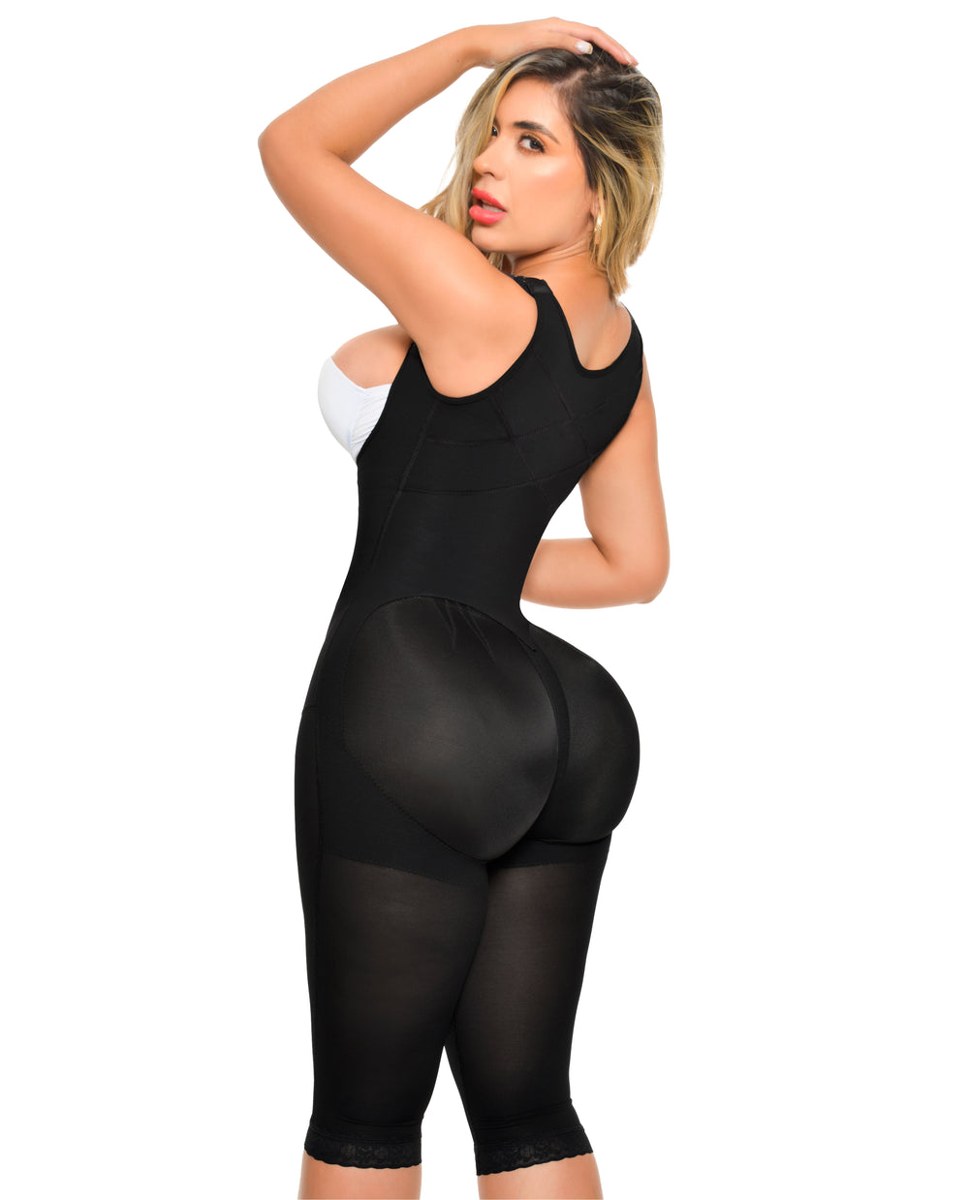 9551 Selena stage 4 faja colombian post surgery recovery long leg no bra Bootylove ™View →
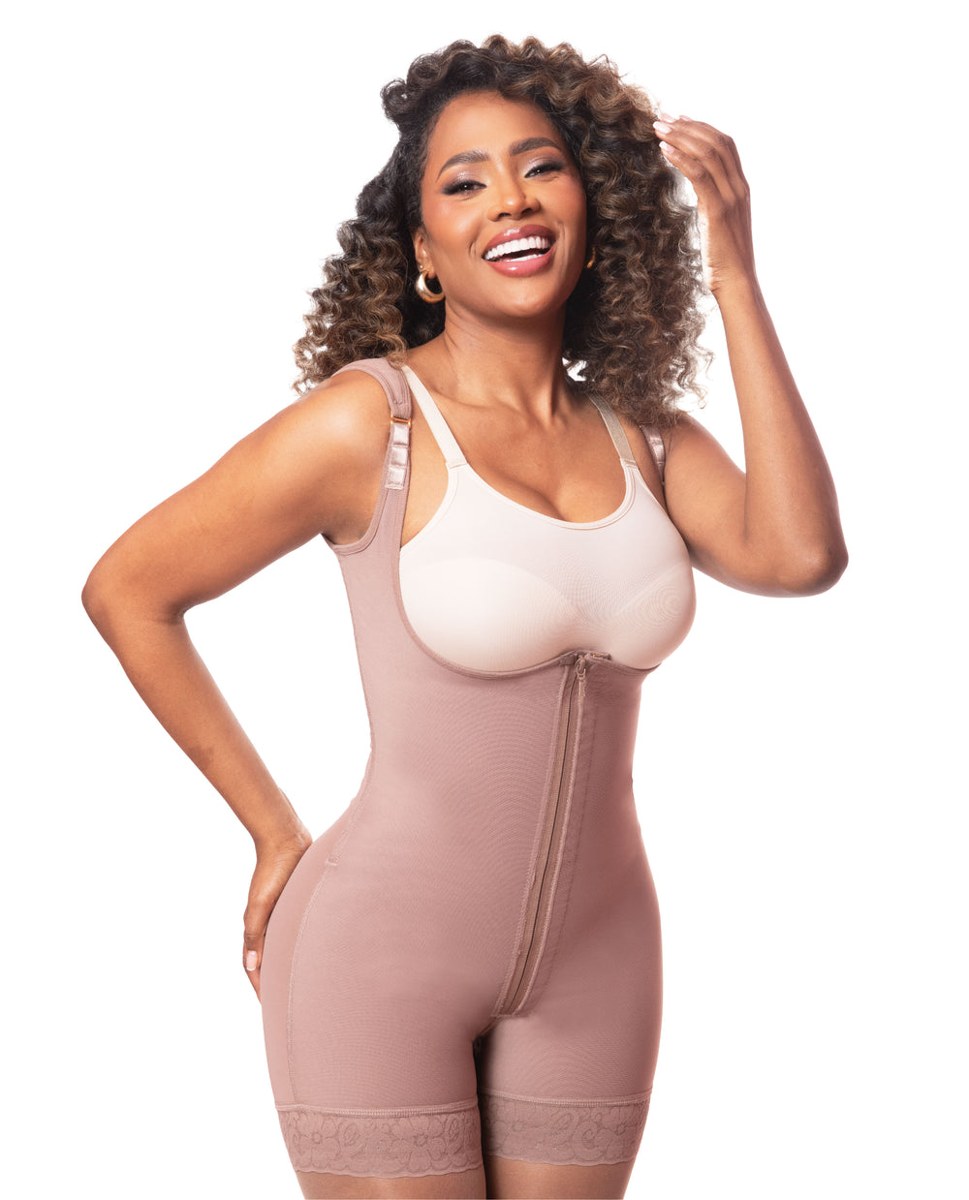 Ref. 8207 Stage 5 Waist Trainer – Maximum Compression & Hourglass ShapeView →
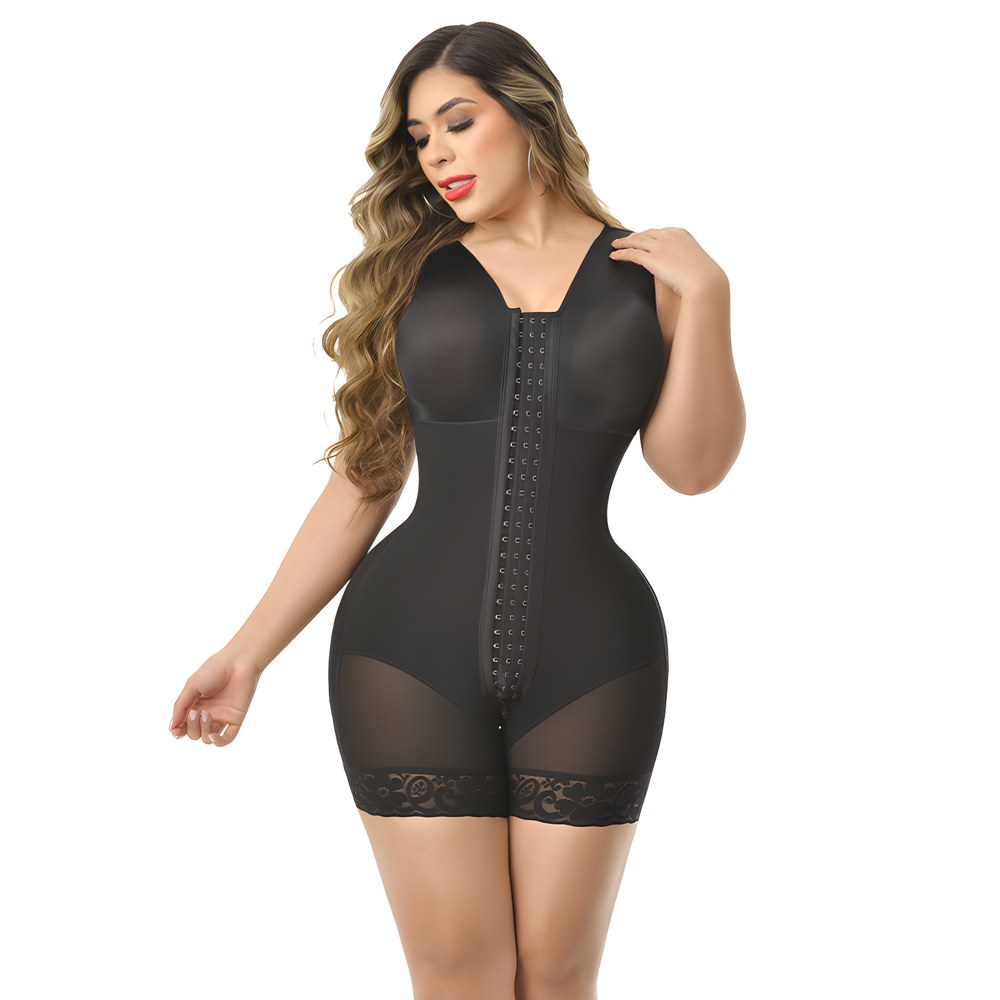 Ann Michell Millye – Stage 4 Colombian Compression Faja | Post-BBL Recovery, Hourglass, Short-Leg & BraView →
FAQ
Shop products from this article
6152 Vanessa Strapless Mid-Thigh Faja | Full-Body Shaper9551 Selena stage 4 faja colombian post surgery recovery long leg no bra Bootylove ™Ref. 8207 Stage 5 Waist Trainer – Maximum Compression & Hourglass ShapeAnn Michell Millye – Stage 4 Colombian Compression Faja | Post-BBL Recovery, Hourglass, Short-Leg & Bra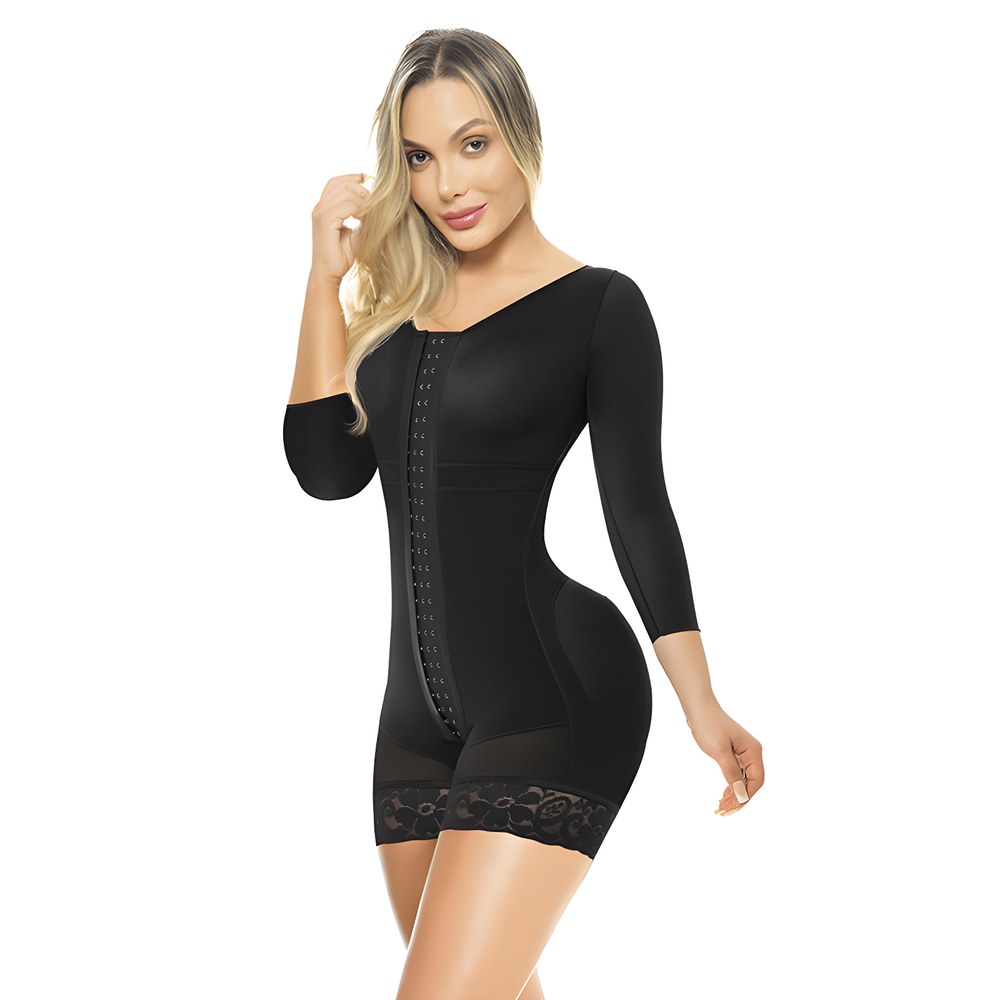 9573 Lexi – Stage 4 Colombian Hourglass Faja | Post-Surgery & BBL Recovery, Short-Leg, Sleeves & Bra
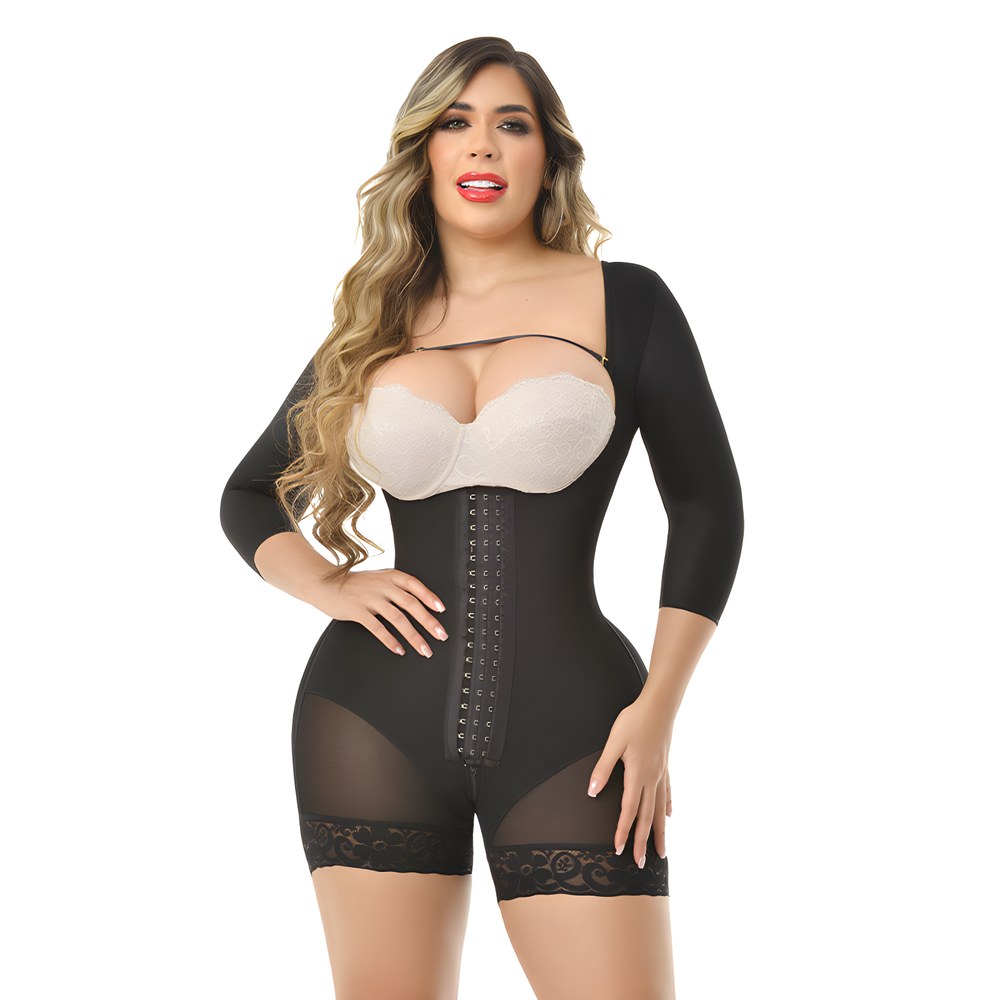 Ann Michell Nia – Stage 4 Colombian Hourglass Faja | Post-Surgery Recovery, Sleeves, Short-Leg, No Bra
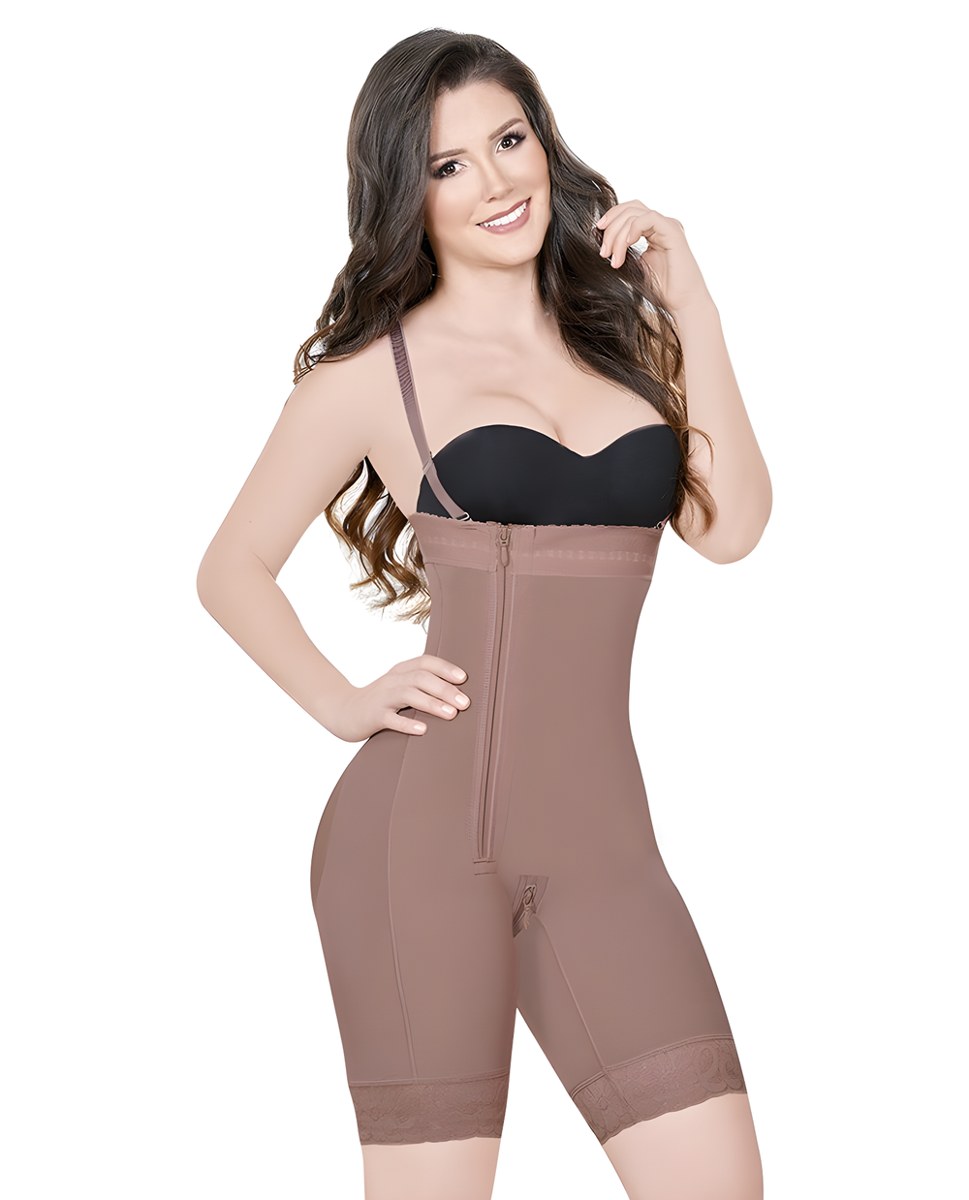 Ann Michell REF 6153 – Chantal Strapless Stage 4 Colombian Faja
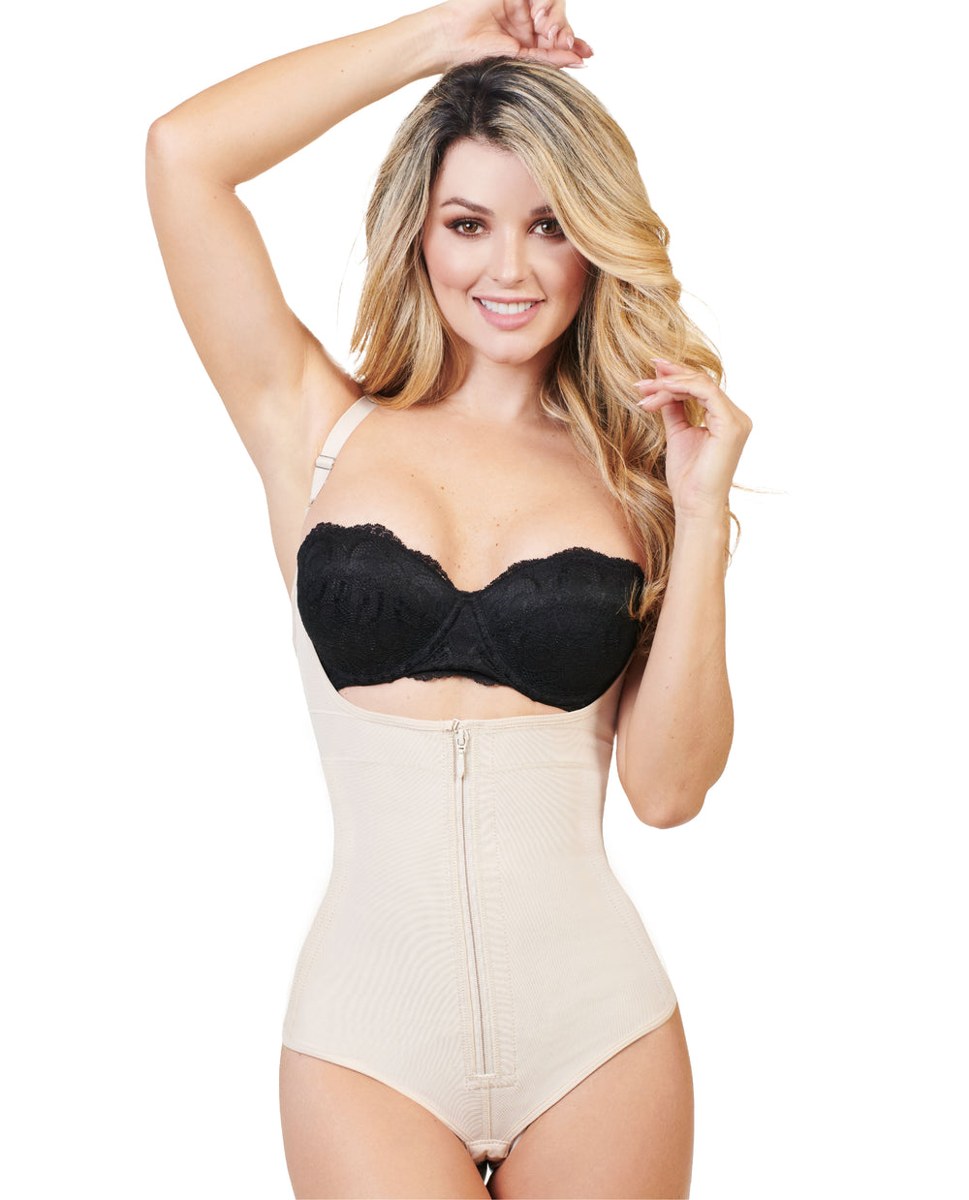 Ann Michell REF 6106 – Nina Strapless Stage 1-2 Colombian Faja
Frequently asked questions
Do Colombian waist trainers actually work?
They work as compression garments: worn, they shape and support the torso mechanically, the same as any structured compression wear. They are not a fat-loss or permanent body-change product, and any seller claiming otherwise is making a claim the garment can't support.
What is shapewear made of?
Most fajas use layered stretch fabrics, typically powernet for structural compression and a softer fabric against the skin, with boning or flexible inserts sewn into panels and hook-and-eye or zip closures. The spandex content is the input the TPA's origin rules treat most strictly.
Are there real fajas manufacturers in Colombia, or just brands reselling the same factories?
Both exist. Colombia has a genuine manufacturing base, but many US-facing brands are resellers rather than factories. Asking directly whether you're talking to the factory or a reseller, and for that factory's own production capability, is a real and necessary question.
What's the difference between a Colombian faja brand and a factory?
A brand designs, markets, and sells under its own name, and may or may not own manufacturing. A factory is the entity actually cutting, sewing, and finishing the garment. For private label work, you need the factory relationship, not just a brand's product line.
Can I buy Colombian fajas wholesale directly from a factory instead of a distributor?
Yes, when the factory itself handles wholesale and export, which is common in this category, but still verify fiber content labeling, flammability compliance, and sample quality directly rather than assuming a factory relationship guarantees it.
Is Colombian waist trainer demand actually growing in the US?
Google Trends data shows US search interest in "waist trainer" running well above baseline and rising over the past 12 months, with a consistent seasonal peak every April, ahead of spring and summer shopping (AJAW Trade analysis of Google Trends, Sept 2026).