 Trade
TradeMake It in South America, Not China: What Actually Changes for Your Brand
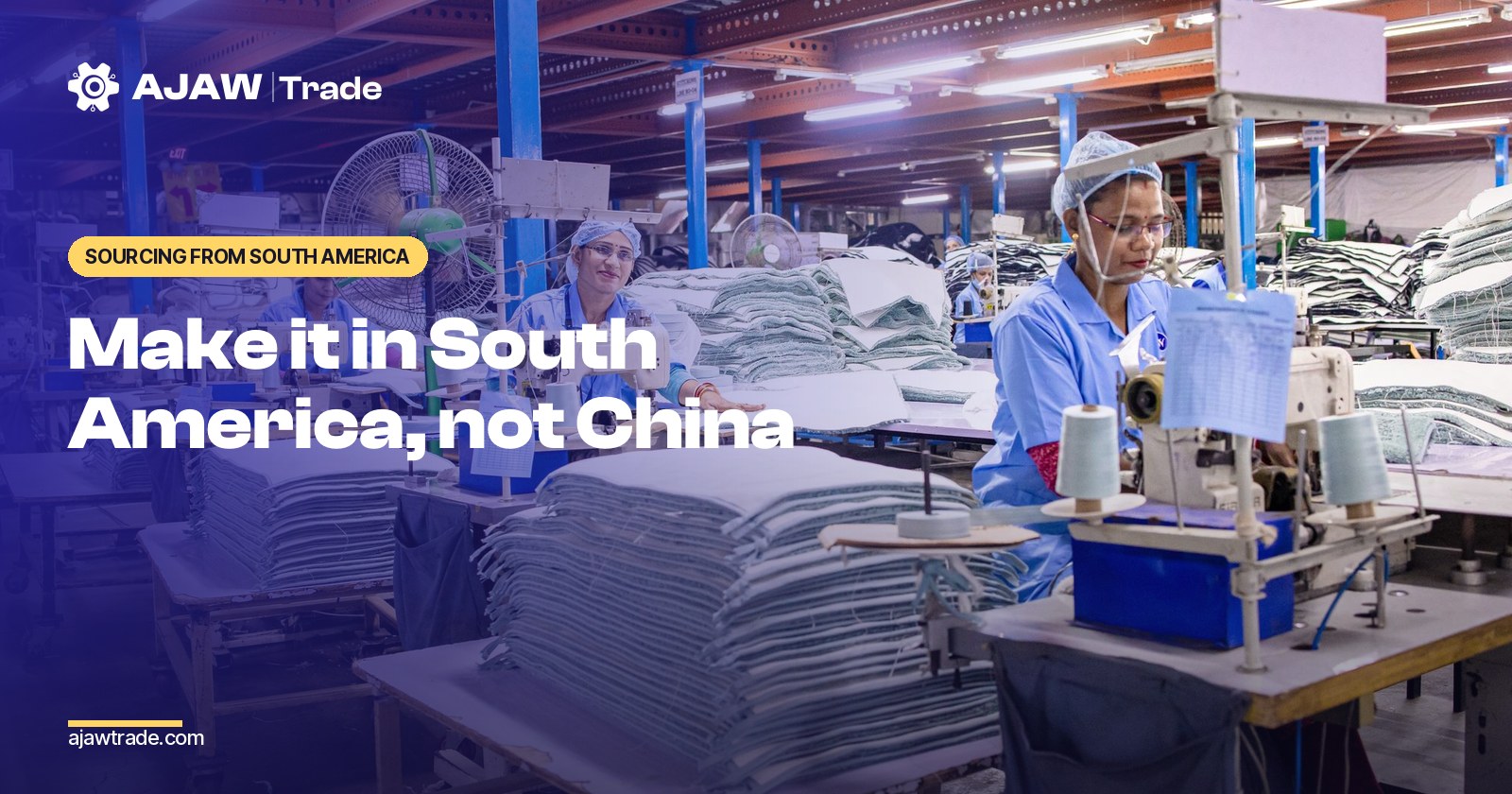
Moving sourcing from a Chinese factory to a Colombian one changes three concrete things: the tariff and customs rules that apply at the US border, the working-hours overlap between you and the factory floor, and how much real manufacturing capacity already exists in your product category. It does not change the fundamentals of running a private-label supply chain. You still need real samples, a written minimum order quantity (MOQ, the smallest order size a factory will accept), and a factory willing to put terms in writing before you pay.
Key takeaways
- The U.S.-Colombia Trade Promotion Agreement (TPA) has been in force since May 15, 2012, not a future plan (USTR, checked 2026-09-22).
- Under the TPA's textile rule of origin, up to 10% of a qualifying garment's fiber weight can come from outside the US or Colombia, except elastomeric yarns like spandex, which get no exception and must be regional (trade.gov, Colombia FTA textile summary, checked 2026-09-22).
- US imports of Colombian coffee (HS chapter 09) reached $2.76 billion in 2025, while Colombian apparel imports (HS chapters 61 and 62 combined) totaled roughly $210.5 million the same year, a fraction of the coffee figure (AJAW Trade analysis of UN Comtrade data, 2025).
- Total US-Colombia goods trade hit $36.7 billion in 2024, with US imports from Colombia at $17.7 billion, up 9.8% from 2023 (trade.gov Country Commercial Guide: Colombia Market Overview, checked 2026-09-22).
- US search interest in "waist trainer" ran at 2.76 times the volume of "colombian coffee" over the past 12 months and is rising, with a seasonal peak every April (AJAW Trade analysis of Google Trends, Sept 2026).
Compare verified manufacturers in Colombia
Real, approved factories by category - shapewear, apparel, coffee and more.
Browse Colombia Manufacturers →The trade agreement is already in place
This isn't a future plan or a talking point about "nearshoring." USTR describes the TPA as "a comprehensive free trade agreement that provides elimination of tariffs and removes barriers to U.S. services," in force since May 15, 2012 (USTR, checked 2026-09-22). It was signed November 22, 2006, and took 13 years to reach full mutual tariff elimination on most goods (trade.gov, Colombia Trade Agreements, checked 2026-09-22).
For apparel specifically, the TPA uses a "yarn-forward" rule of origin: the yarn and fabric generally have to come from the US or Colombia for a garment to qualify for duty-free entry. A de minimis exception allows up to 10% of a component's weight to come from outside the region, but elastomeric fibers — spandex, the stretch fiber in most compression wear — are excluded from that exception and must be regional regardless (trade.gov, checked 2026-09-22; USTR, Textiles and Apparel, checked 2026-09-22). That single rule is why a factory that spins or weaves its own fabric locally has an easier path to duty-free treatment than one built on imported inputs.
None of this replaces ordinary customs paperwork. Every shipment still needs a correct HS code (Harmonized System code — the six-to-ten-digit classification number that determines the duty rate and which regulations apply), and CBP is explicit that "you, the importer of record, are ultimately responsible for the correctness of the entry documentation presented to CBP and all applicable duties, taxes and fees" (CBP, Tips for New Importers and Exporters, checked 2026-09-22). The importer of record is the buyer or their agent who is legally accountable for the shipment at the US border — a trade agreement lowers the tariff bill; it does not remove that responsibility.
What changes at the US border, step by step
CBP does not require an import license, but entry forms ask for an importer number: your IRS business registration number, your Social Security number, or a CBP-assigned number requested on Form 5106 (CBP, checked 2026-09-22). A customs broker is optional. CBP notes that many first-time importers hire one because classification is genuinely complex, but using a broker does not shift legal responsibility away from the importer of record.
Other federal agencies layer their own rules on top of CBP's, depending on what you're importing: textiles fall under FTC labeling and CPSC flammability rules, food falls under FDA rules, and fresh agricultural products fall under USDA/APHIS phytosanitary rules requiring a certificate and, for some commodities, an import permit before the shipment ever leaves the origin country (USDA APHIS, How To Import Plants and Plant Products, checked 2026-09-22). CBP's own guidance points new importers toward checking these commodity-specific requirements before shipping, not after arrival.
Colombia vs. China as a sourcing base
| Factor | Colombia | China |
|---|---|---|
| US trade agreement | TPA in force since May 15, 2012; qualifying goods can enter duty-free (USTR) | No comparable bilateral US free-trade agreement; many categories carry standard MFN tariffs plus additional Section 301 duties |
| Time zone overlap with US Eastern | Same time zone (UTC-5) year-round; a factory can join an afternoon call your time | 12-13 hour offset; a same-day answer usually means someone is awake at night |
| US coffee imports (2025) | $2.76 billion, rising year-over-year (AJAW Trade analysis of UN Comtrade data, 2025) | Not a comparable category; not covered in this dataset |
| US apparel imports, HS 61+62 (2025) | About $210.5 million combined (AJAW Trade analysis of UN Comtrade data, 2025) | Far larger, long-established supplier base (qualitative — exact figure outside this dataset) |
| Manufacturer base maturity | Smaller and more fragmented; direct factory verification matters more | Large, consolidated, many multi-year-audited suppliers |
What does not change when you switch countries
- You still need to see a real, worn or used sample before committing to a production run, not just factory photos.
- You still need a written MOQ before you plan cash flow around it.
- You still need to confirm who is legally responsible if a shipment is wrong, late, or damaged, before you pay.
- You still need a country-of-origin label and, for textiles, a fiber-content label that meets US rules regardless of where you manufacture (FTC, Threading Your Way Through the Textile and Wool Acts, checked 2026-09-22).
- You still need to agree on Incoterms (the standard international trade terms, like FOB or DDP, that define who pays for and controls the goods at each stage of shipping) before the first invoice, not after a dispute.
Browse waist trainer factories in Colombia
Real, approved Colombian manufacturers making waist trainers and shapewear - ready to quote.
Browse Fajas Suppliers →What "Made in Colombia" actually signals
"Made in Colombia" is a country-of-origin claim, not a quality certification. US labeling rules require textile and apparel labels to name the specific country where the product was processed or manufactured, plus the identity of the manufacturer or importer by name or Registered Identification Number (FTC, checked 2026-09-22). It's a real, checkable answer to "where was this actually made," which matters more in a category like fajas and shapewear, where Colombian-made waist trainers already carry real recognition with US shoppers before a brand name is even attached.
Checklist before you commit to a Colombian factory over a Chinese one
- Ask for the factory's own export documentation, not just a sales deck.
- Confirm whether the product qualifies for TPA duty-free treatment under the yarn-forward rule, including the elastomeric-yarn exception if it's a stretch fabric.
- Get a real sample shipped to you, not a video call.
- Confirm who holds the goods, and the money, between "order placed" and "order received." This is the step most first-time buyers skip.
- Ask what happens if the shipment doesn't match the sample, in writing, before the first payment.
For the mechanics of duties and paperwork on a specific shipment, see Importing From Colombia to the US: Duties, the Trade Agreement, and Who Pays What. If you're deciding between a private-label run and full contract manufacturing, see Private Label vs. Contract Manufacturing (Maquila).
Where AJAW fits, honestly
AJAW Trade is early. The live catalog of verified Colombian manufacturers is still small and growing category by category, not claiming full coverage on day one. What it does today: it holds a buyer's payment and releases it to the manufacturer once the buyer confirms delivery, rather than the buyer wiring money directly to a factory they've never met, and it charges the manufacturer, not the buyer, a 10% commission. See how that hold works at /protection and /secure-payments.
If you're a buyer: browse the current manufacturer list at /manufacturers/colombia, search by category at /search, or send a direct sourcing request at /rfq. If you're a Colombian manufacturer reading this instead: publica tus productos gratis en AJAW Trade at /sell.
FAQ
Shop products from this article
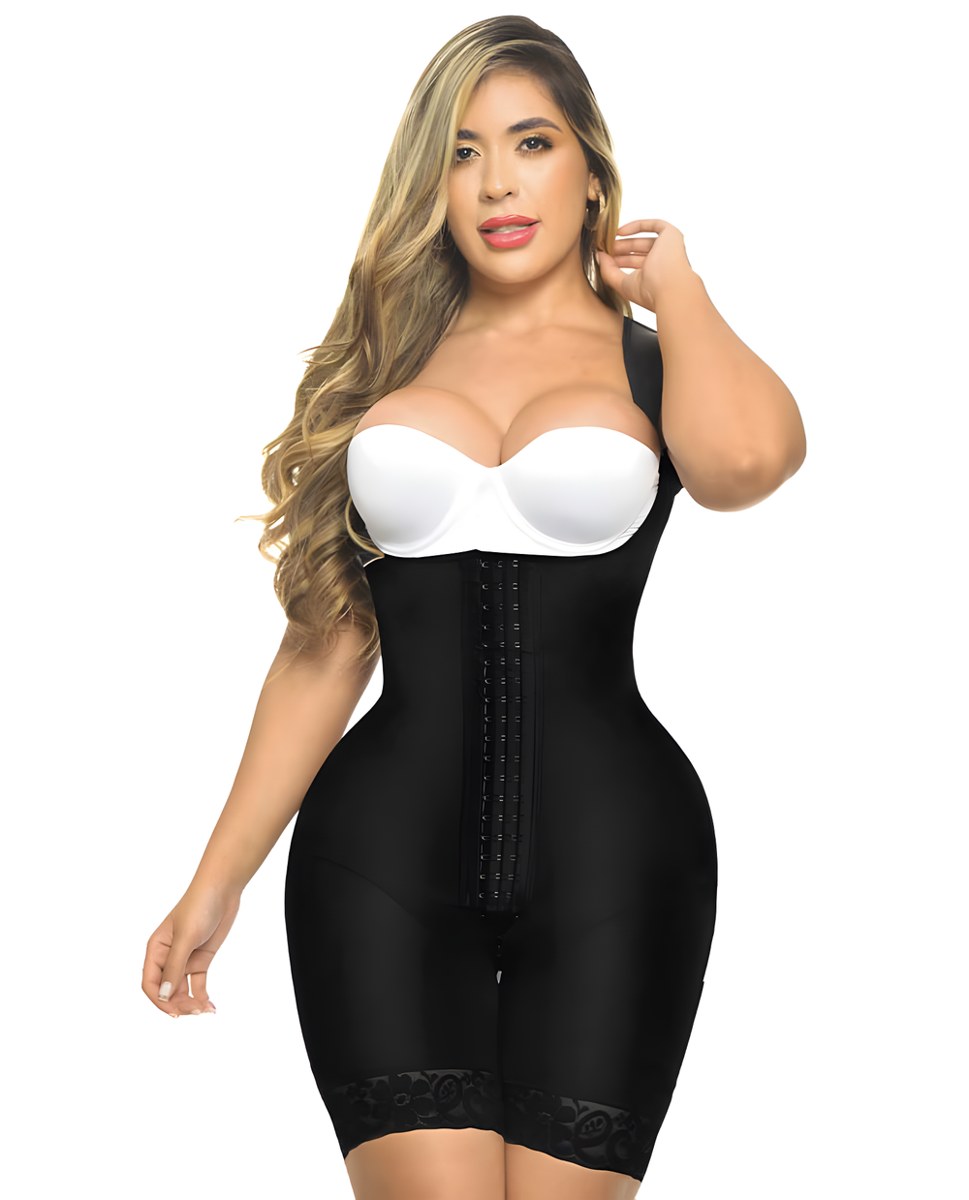 Ann Michell Heidy – Stage 2 Colombian Faja | Post-Op, BBL & Tummy Tuck Recovery, Half-Leg, No Bra
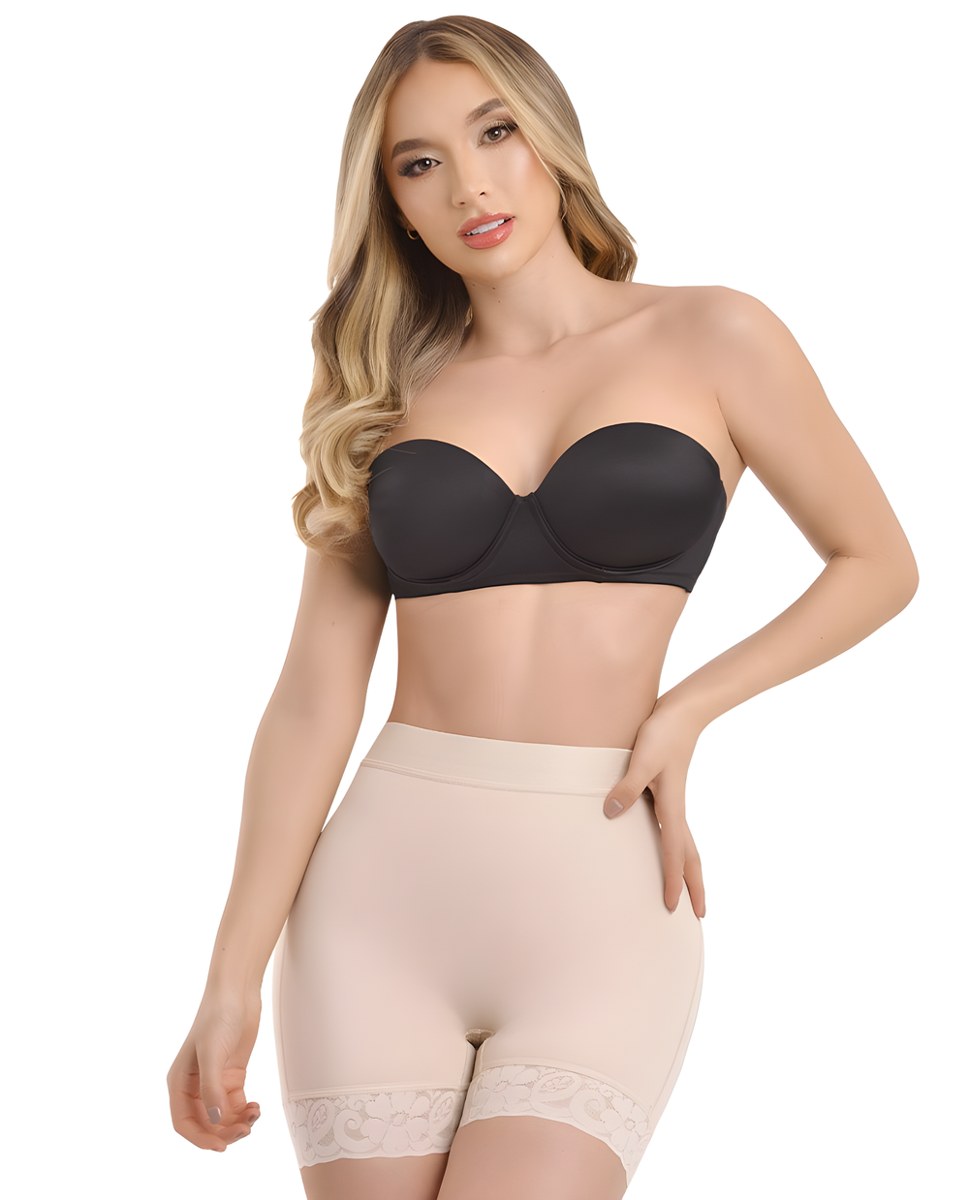 Ann Michell Chingona 1352 – Colombian Invisible Shaping Shorts | Full Compression Shaper
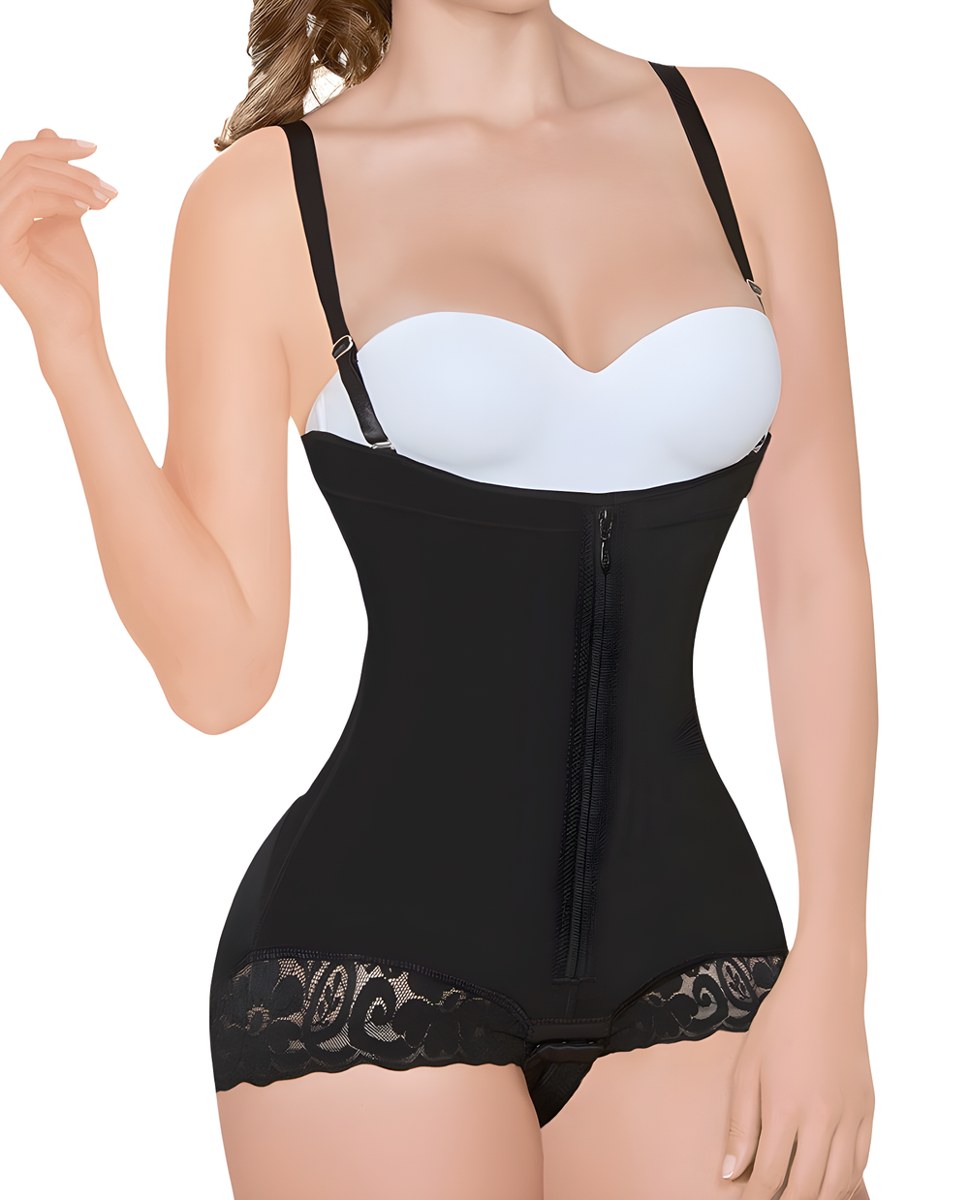 Ann Michell 1614-KATTY Strapless Colombian Faja – Premium Powernet Compression
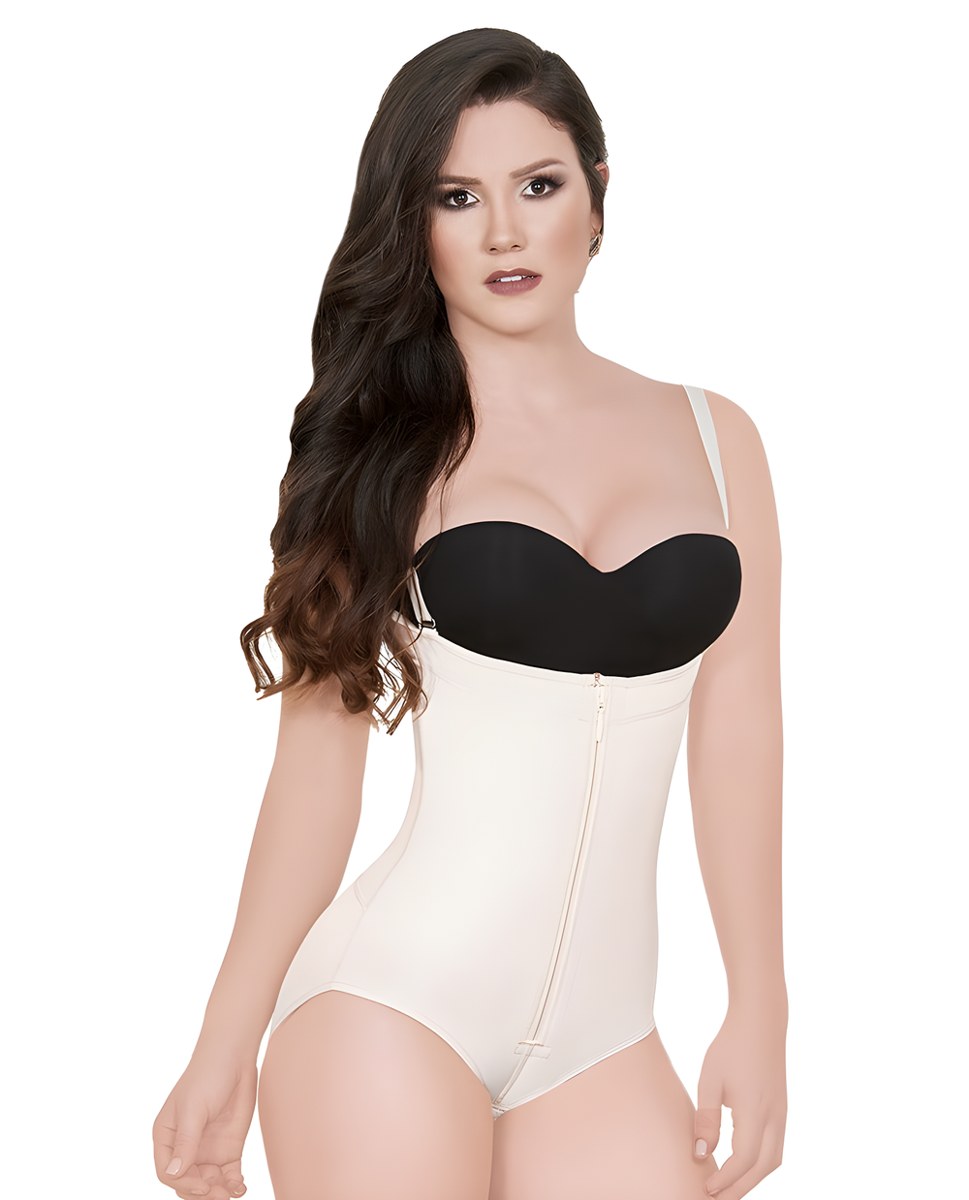 Jacky Short strapless High Back Full zipper Stage 1-2 Faja
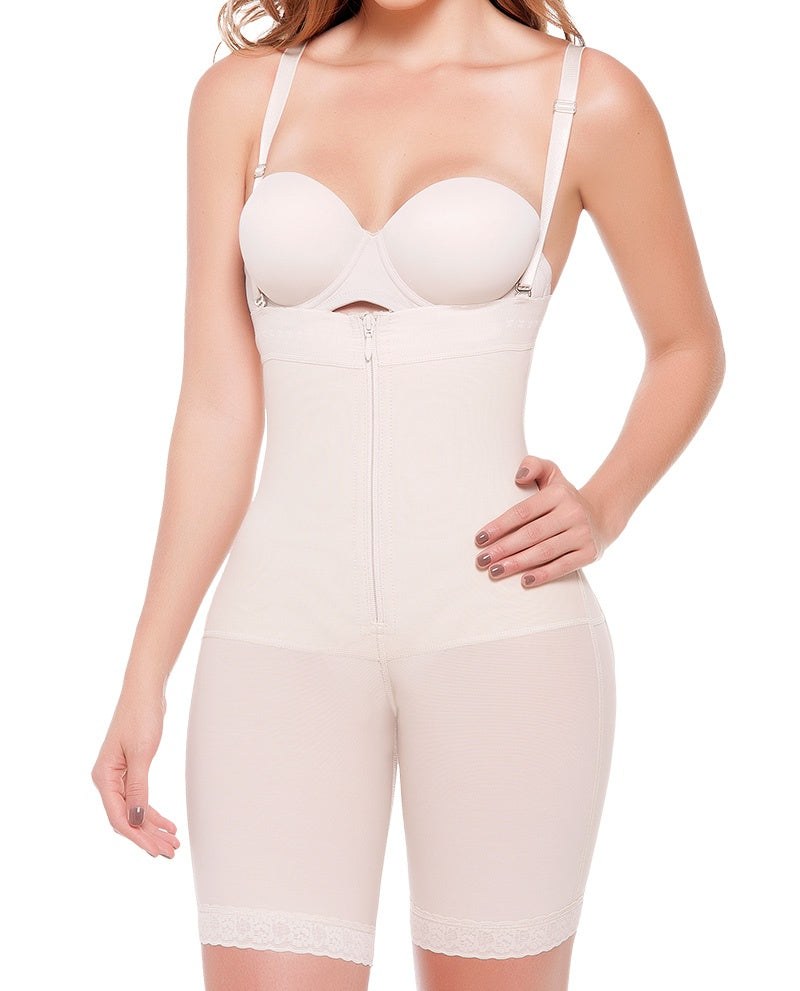 Ann Michell Anny 5046 – Stage 1-2 Colombian Strapless Compression Faja | Full Zipper, Post-Surgery & BBL Recovery
Frequently asked questions
Is there a real alternative to China manufacturing in South America?
Yes, in specific categories with an established manufacturing base, especially apparel, footwear, leather goods, and coffee. The honest caveat: the supplier ecosystem is smaller and less consolidated than China's, so verifying a factory directly takes more legwork right now, and Colombia's formal apparel export base to the US was about $210.5 million in 2025 versus $2.76 billion for coffee (AJAW Trade analysis of UN Comtrade data, 2025).
Is nearshoring from Colombia actually happening, or is it just a talking point?
The trade infrastructure, the US-Colombia Trade Promotion Agreement, has been in force since 2012, well before nearshoring became a common term. What's newer is US buyers actively looking for Colombian alternatives to Chinese suppliers, a demand shift more than a new legal framework.
What is a B2B marketplace?
A B2B marketplace connects business buyers directly with suppliers instead of routing every deal through a distributor or agent. AJAW Trade is a B2B marketplace focused on South American, mostly Colombian, manufacturers selling to US and international buyers.
What does Made in Colombia mean for a wholesale buyer?
It's a country-of-origin claim that US labeling rules require to be specific and accurate, not a quality guarantee by itself. It tells you where the product was processed or manufactured, which matters for customs, tariffs under the TPA, and for verifying a factory's own claims.
Which South American countries manufacture what?
Colombia has the deepest bench for apparel, footwear, leather goods, and coffee, and is AJAW Trade's current catalog focus. Coffee alone accounted for $2.76 billion in US imports from Colombia in 2025 (AJAW Trade analysis of UN Comtrade data, 2025).
What is an MOQ and why does it matter when sourcing from Colombia?
MOQ stands for minimum order quantity, the smallest order size a factory will accept. Getting it in writing before you plan cash flow around a Colombian supplier is one of the most common steps first-time buyers skip, regardless of which country they're sourcing from.