 Trade
TradeWholesale Colombian Fajas & Shapewear: Buyer's Guide
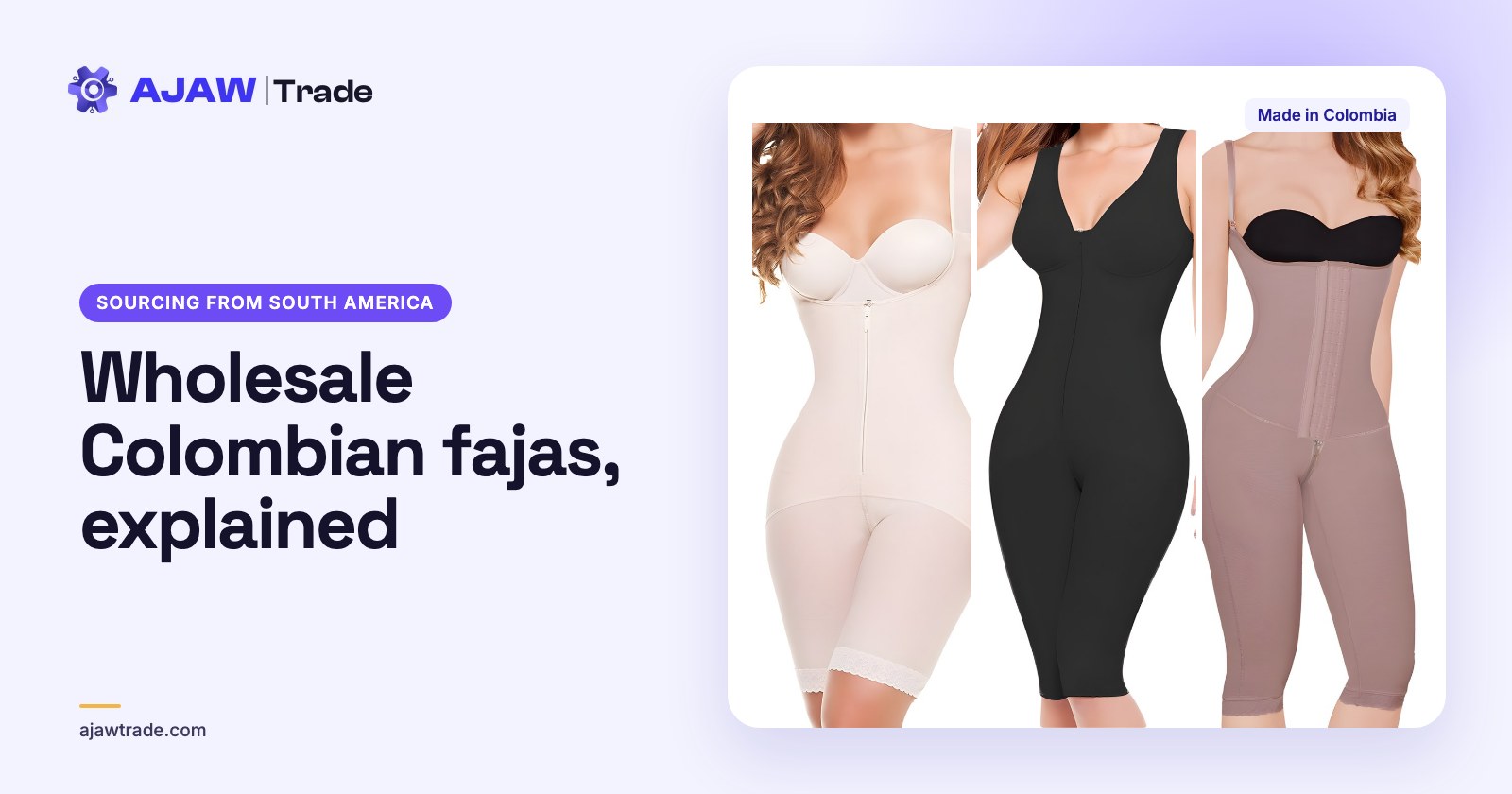
If you've searched "wholesale colombian shapewear," "fajas colombianas wholesale," or "colombian fajas manufacturer," you've probably already noticed the pattern: almost every serious factory in this category is in or around Medellín. That's not marketing — Colombia's apparel cluster grew up specifically around compression garments and swimwear, and it's the reason "faja" is a Spanish word that shows up untranslated in US wholesale listings. This guide covers what actually changes when you move from browsing product photos to placing a real wholesale order: fabric, MOQs, private label, and the compliance paperwork that travels with the goods.
From AJAW Trade Verified manufacturers in Mexico and Colombia quote your part and tooling directly. Request a Quote →
Key takeaways
- "Faja" (Spanish for girdle/shapewear) and compression shapewear are the same product category; expect the term used interchangeably by Colombian manufacturers.
- Compression garments are made almost entirely from powernet or nylon-spandex blends, and fabric choice drives both comfort and cost more than most buyers expect going in.
- MOQs and lead times differ factory to factory — there's no industry-standard number, so get both in writing before ordering.
- Duty treatment depends on HTS classification and origin documentation, not on the product being "shapewear" (US Customs and Border Protection, checked 2026-09-22).
- The highest-value private label option is a labeled, packaged version of a factory's existing pattern; a fully custom pattern is a bigger commitment on both sides.
Why Colombia, specifically, for this category
Medellín's apparel industry developed a specialization in compression and shaping garments over several decades, alongside swimwear and activewear, and that specialist base is what makes "colombian fajas manufacturer" a distinct wholesale search rather than a generic "apparel manufacturer" one. US trade data tracks the broader apparel category — HS chapters 61 (knitted) and 62 (not knitted) — from Colombia at roughly $210 million combined in 2025 (AJAW Trade analysis of UN Comtrade data, checked 2026-09-22), but that figure doesn't isolate shapewear specifically; treat any narrower "market size" claim you see elsewhere as unverified unless it names a primary source.
What the concentration actually means for a buyer: you're not choosing between "a Colombian factory and a generic one," you're choosing among factories that have made this exact product category, at scale, for years — which shows up in fit, seam finishing, and consistency across a production run, not just price.
What "compression shapewear" is made of
Before you ask about price, ask about fabric — it's the single biggest driver of both feel and cost:
- Powernet: a firm, tightly woven mesh, usually nylon/elastane, used for the main compression body. Denser powernet costs more and compresses more; it's also less breathable.
- Microfiber or cotton lining: used against the skin in mid-to-high compression garments so the powernet isn't worn directly on skin.
- Boning: flexible plastic or spiral steel boning in some waist-training styles, adding structure and cost.
- Closures: hook-and-eye rows (for adjustability) cost more per unit than a simple pull-on waistband.
- Stitching: flatlock stitching lies flatter under clothing and is the standard for garments meant to be worn under fitted outfits; standard overlock seams are cheaper but can show through thin fabric.
Ask any manufacturer for a fabric spec sheet (fiber content, compression class if they use one, GSM/weight) and a physical sample, not just catalog photos. Compression level is felt, not seen.
MOQs, lead times, and what actually drives them
There's no single "wholesale MOQ for fajas" — it depends on the factory's own production minimums, whether you're ordering from an existing line or a custom cut, and fabric availability. A few things that reliably push MOQs and lead time up:
- A custom pattern (new size grading, new panel construction) instead of an existing style
- A fabric or color the factory doesn't already stock
- Private label branding requiring a separate small production run for your labels/packaging
- Multiple sizes ordered in small quantities each, versus one size in bulk
Get MOQ, lead time, and a sample lead time (separately — samples often ship faster than they're produced in bulk) in writing from each manufacturer you're evaluating. Neither AJAW Trade nor any manufacturer profile on the platform should be read as guaranteeing a specific MOQ; it's set by the factory, order by order.
Compare verified manufacturers in Colombia
Real, approved factories by category - shapewear, apparel, coffee and more.
Browse Colombia Manufacturers →Private label: the two real options
- Existing style, your label — the factory's current pattern, produced with your brand's neck label, hang tag, and packaging. Fastest path to a branded product, lowest MOQ increase over a standard wholesale order.
- Custom pattern, your label — a modified or new pattern (different panel lines, closures, or fit) built to your spec, produced under your brand. Higher MOQ, longer development time, and usually a pattern/sample-development cost before the first bulk order.
See our companion piece, Private label vs. contract manufacturing (maquila), for how that trade-off plays out beyond shapewear specifically, and Inside a Colombian faja factory for what a production floor for this category actually looks like.
The paperwork that travels with the product, regardless of category
Buying "shapewear" doesn't create a special duty category — customs cares about HTS classification (generally within chapters 61/62 for these garments), country-of-origin documentation, and, for apparel specifically, the "yarn-forward" rule of origin under the U.S.-Colombia Trade Promotion Agreement if you want preferential duty treatment (USTR, Colombia TPA, checked 2026-09-22). The importer of record — you, the US buyer, not the Colombian factory — is responsible for correct classification and for any duty owed, even when a customs broker files the entry (CBP, Basic Importing and Exporting, checked 2026-09-22). Textile and wool labeling requirements from the FTC also apply regardless of tariff treatment. We cover the mechanics in full in Importing from Colombia to the US: duties & trade agreement — read that before you commit to landed-cost pricing, not after.
Vetting a manufacturer before you commit money
A few checks that catch most problems before they become expensive:
- Ask for the company's NIT (Colombian tax registration number) and confirm the business is registered, not just an Instagram storefront.
- Request a paid physical sample before any bulk order — photos don't show compression level, seam finishing, or fabric weight.
- Ask about reorder rate, response time, and — if the manufacturer discloses it — certifications, understanding these are self-reported unless independently verified.
- Use a payment structure that holds funds until you confirm the goods arrived as ordered, rather than a wire transfer direct to a factory's account with no recourse if the order is wrong or never ships.
- Start with a smaller trial order before committing to a full container, even if the MOQ allows a bigger first run.
Where AJAW fits, honestly
AJAW Trade doesn't manufacture or set prices — it's a marketplace where Colombian manufacturers list their own catalogs and US buyers request quotes directly. Payment is held and released only once you confirm delivery, and the manufacturer pays a 10% commission rather than the buyer, so there's no markup added on top of the factory's own quote. See how that protection works at /protection and /secure-payments, and browse verified Colombian shapewear manufacturers at /manufacturers/colombia/waist-trainer-and-shapewear-fajas or the broader /category/shapewear-fajas catalog. If you have a specific spec in mind, post it at /rfq rather than messaging factories one at a time.
Compare manufacturers on AJAW Trade
Sources
- USTR — U.S.-Colombia Trade Promotion Agreement (checked 2026-09-22)
- CBP — Basic Importing and Exporting (checked 2026-09-22)
- USITC — Harmonized Tariff Schedule search (checked 2026-09-22)
- FTC — Textile and Wool Acts labeling guidance (checked 2026-09-22)
- AJAW Trade analysis of UN Comtrade data, 2025 (checked 2026-09-22)
Get matched with electronics manufacturers
Tell us your spec - verified EMS manufacturers in Mexico quote you directly.
Get matched →Shop products from this article
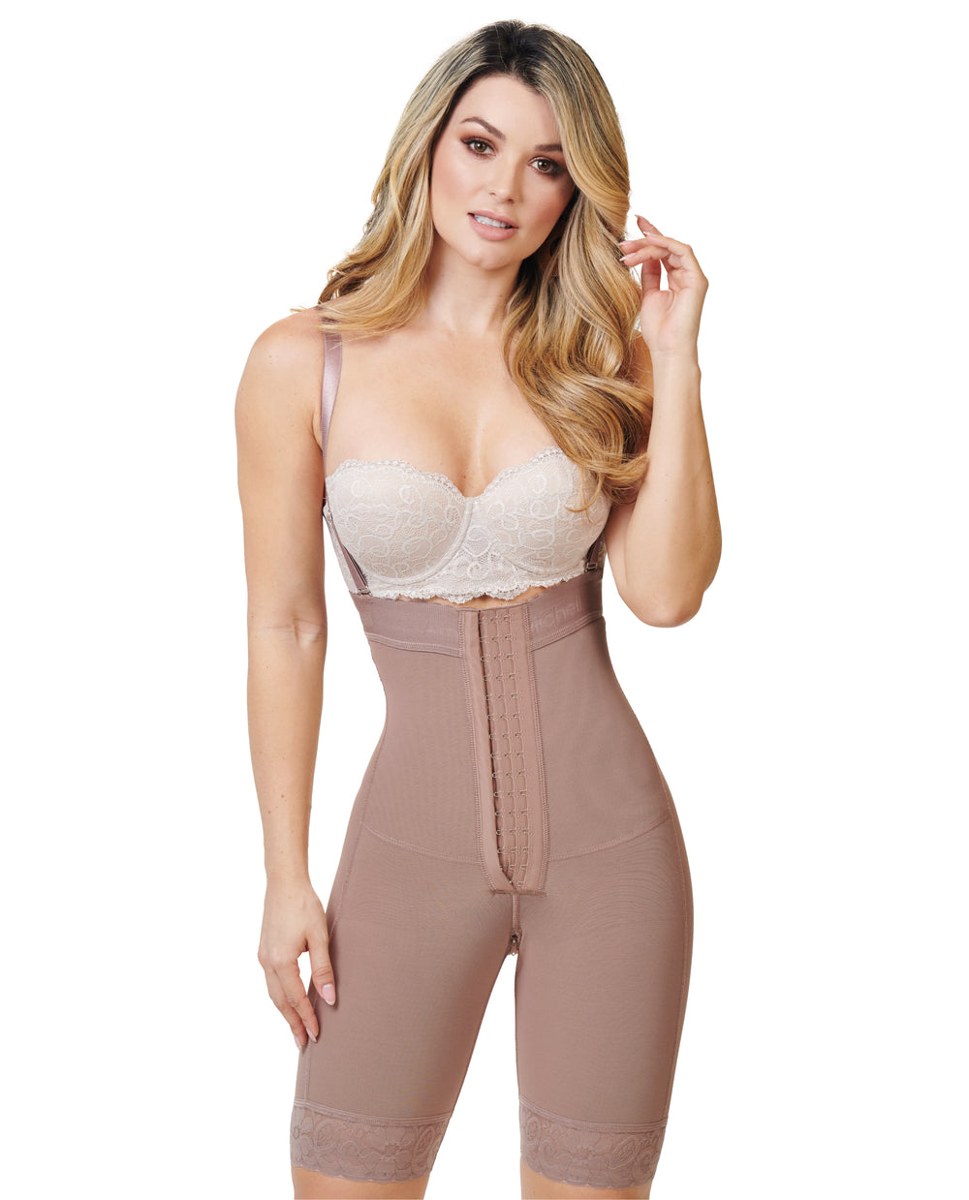 6152 Vanessa Strapless Mid-Thigh Faja | Full-Body Shaper
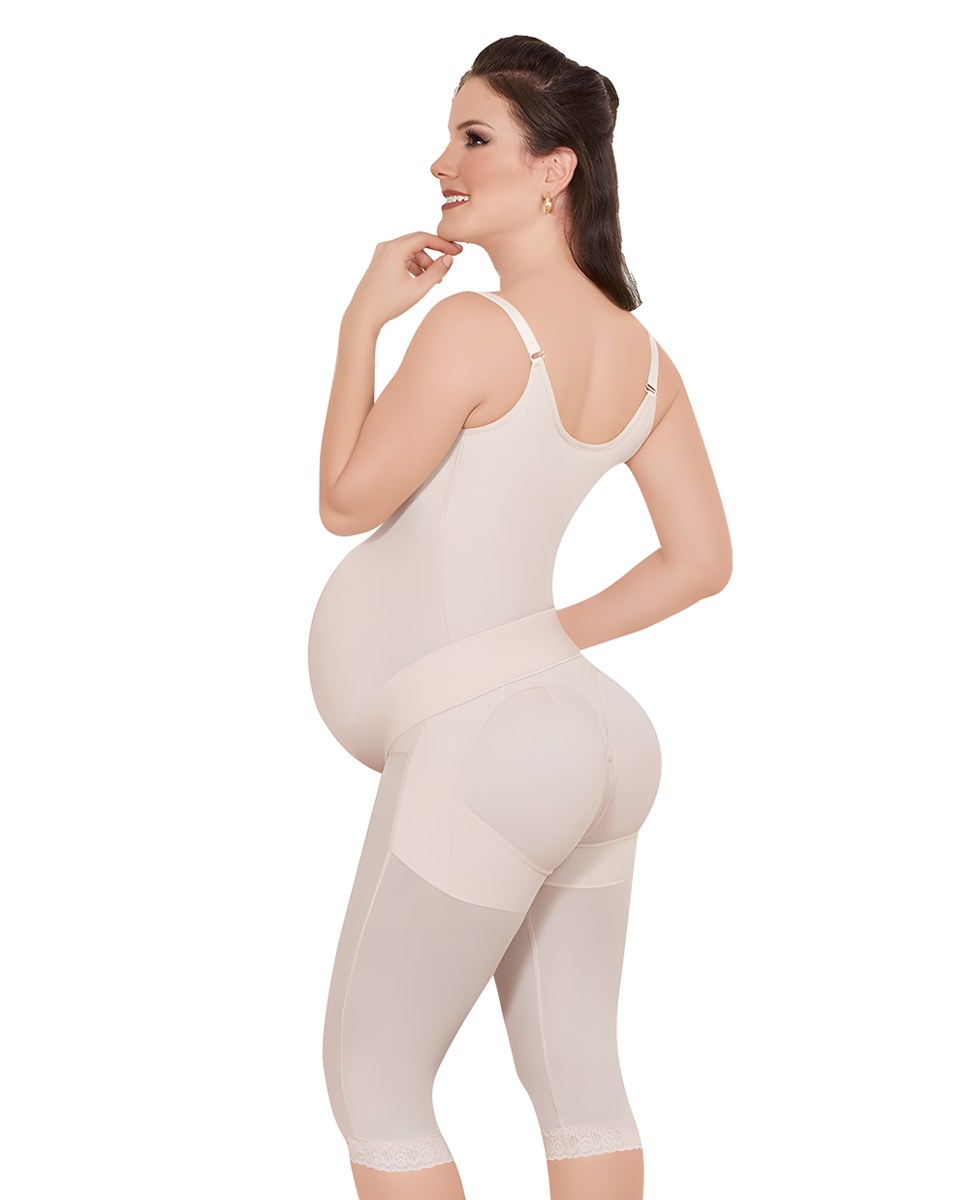 Ann Michell Luciana – Full-Body Colombian Shaper Faja | Compression Shapewear
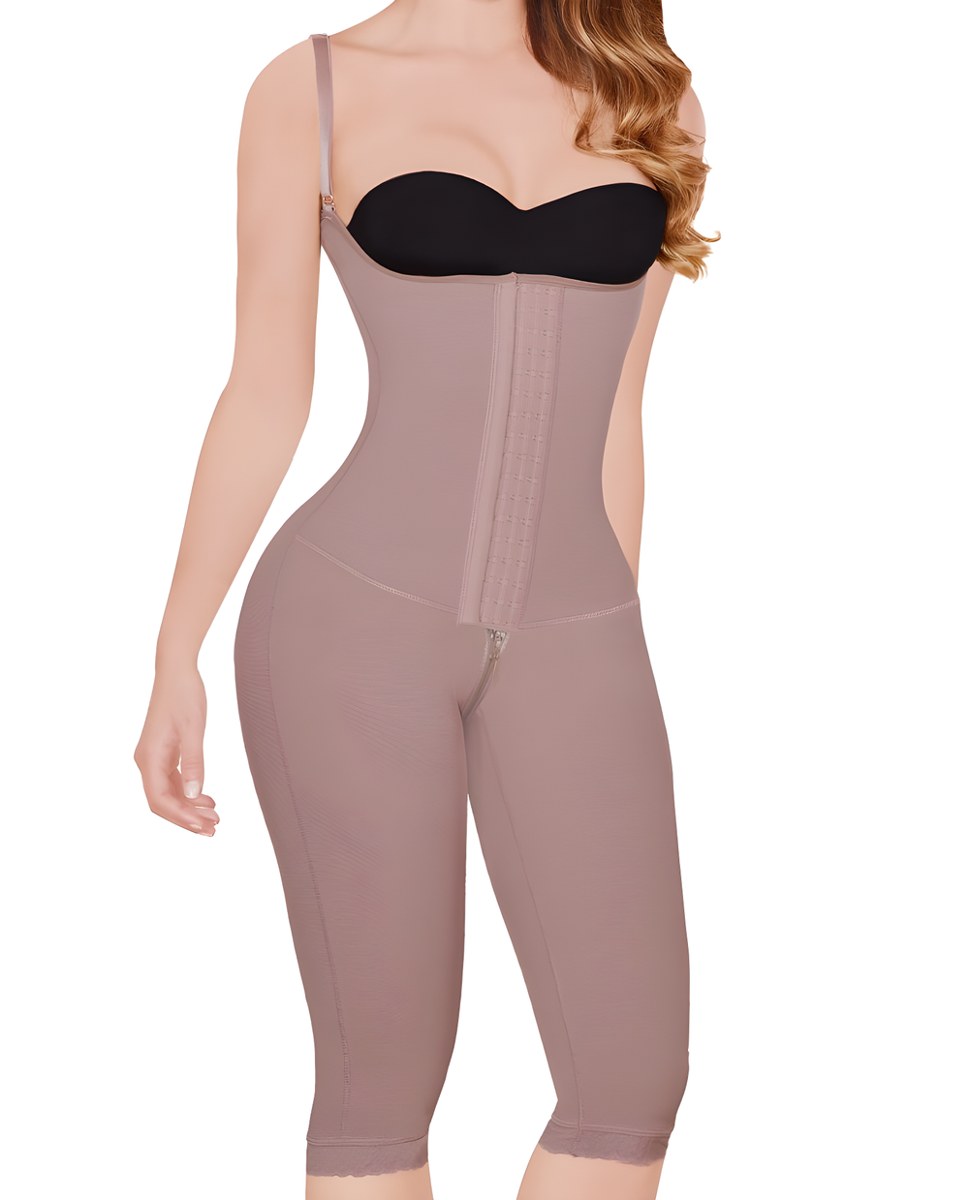 Ann Michell Ella – Full-Body Colombian Shaper Faja | Compression Shapewear
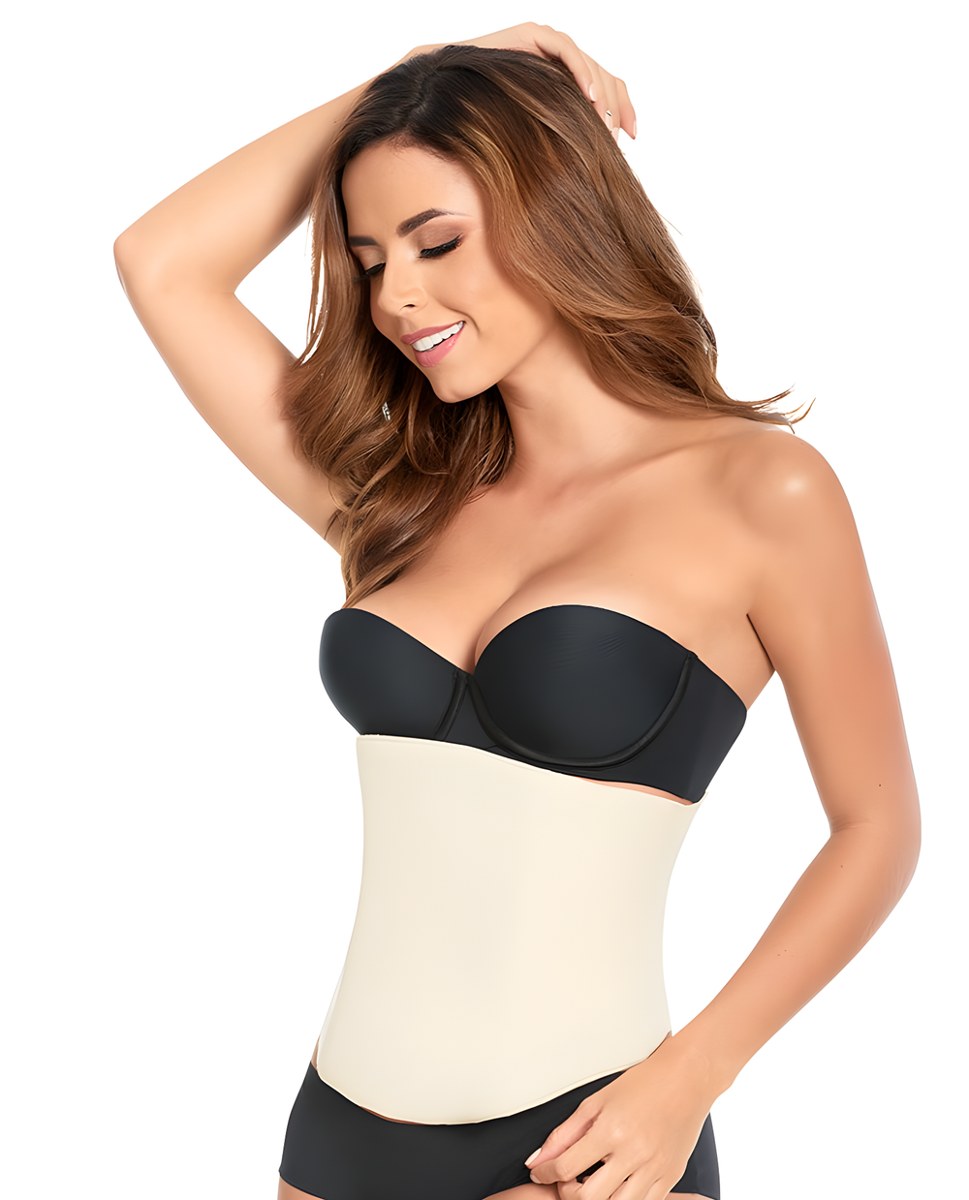 Ann Michell Full Posquirurgic Board
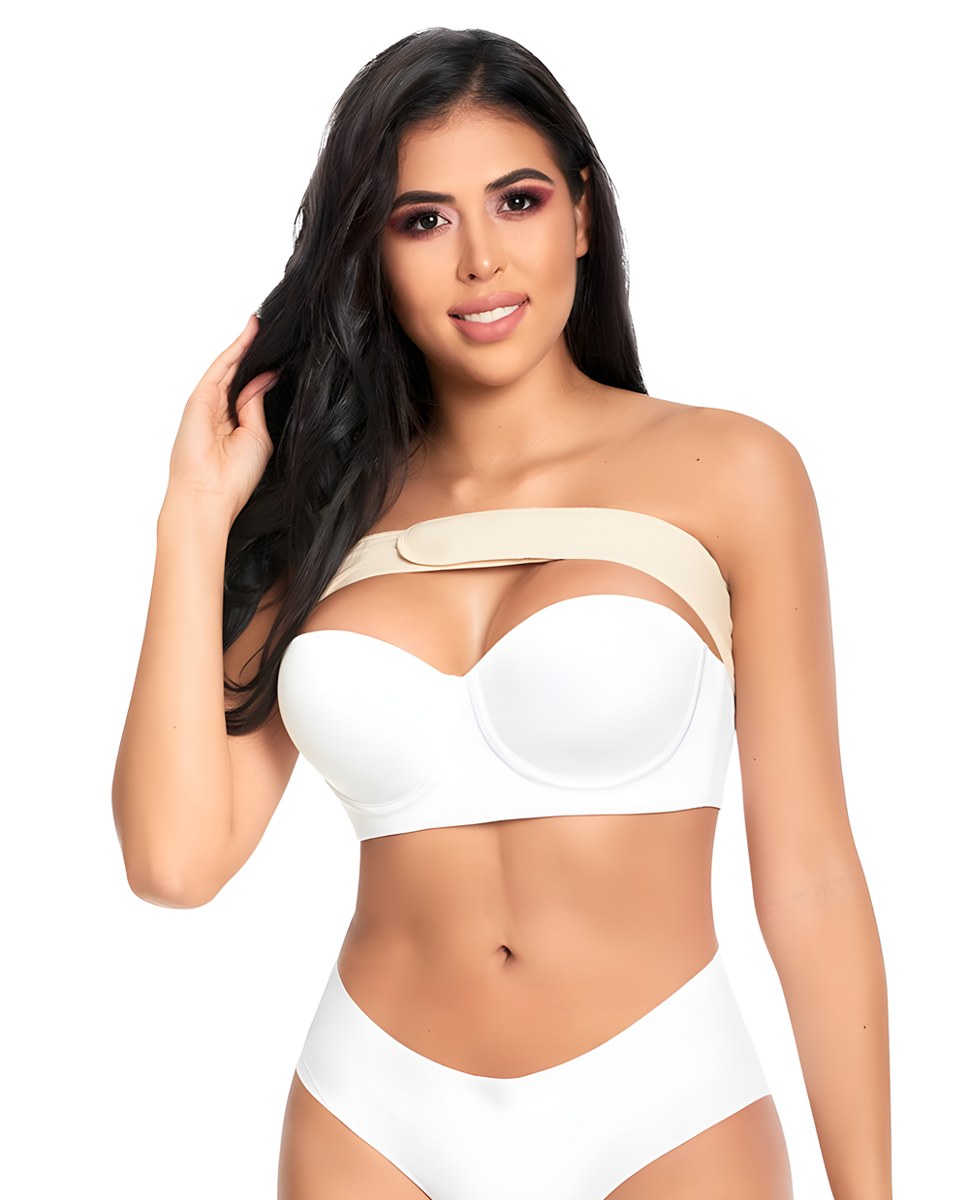 Ann Michell Low Bust Band
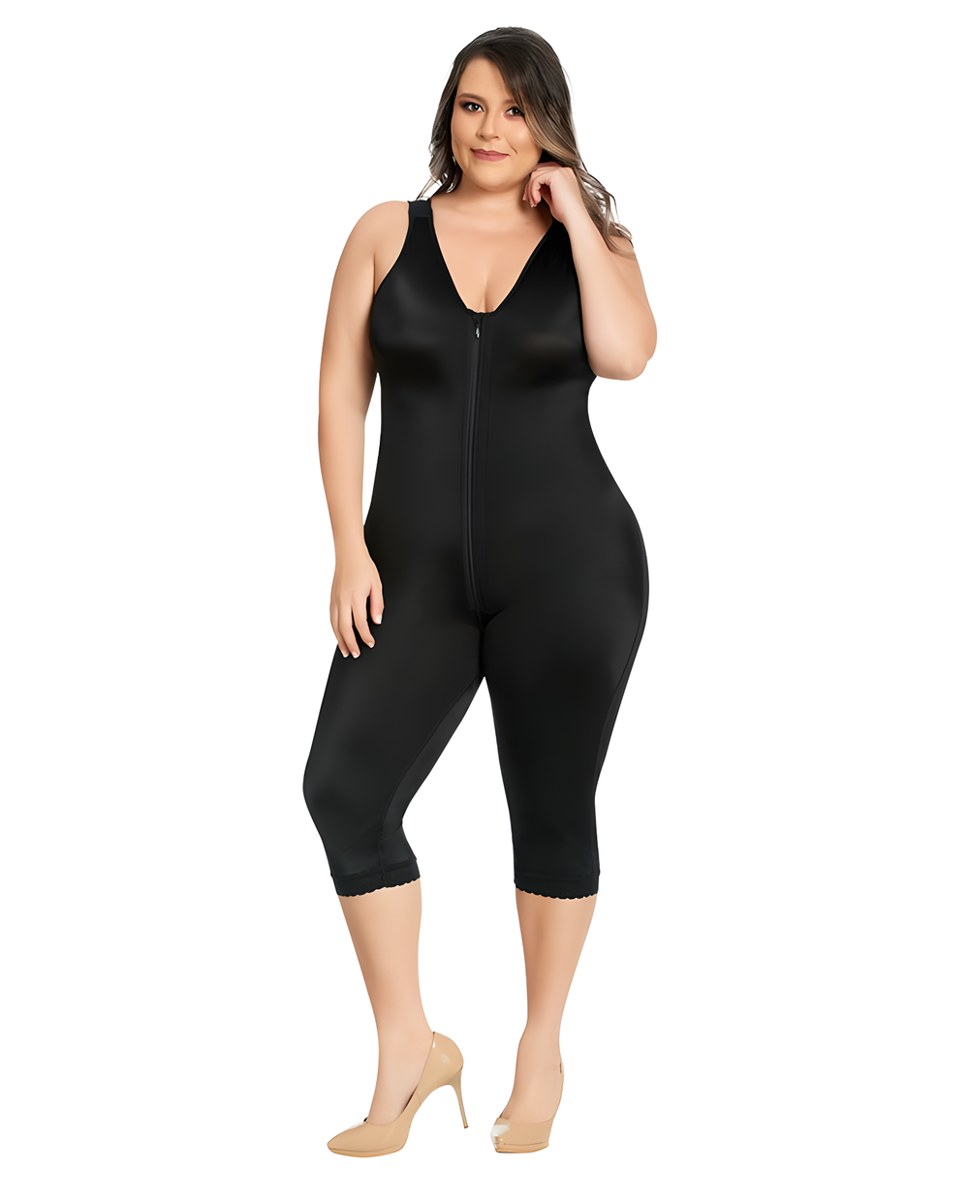 Ann Michell Nicol – Full-Body Colombian Shaper Faja | Compression Shapewear
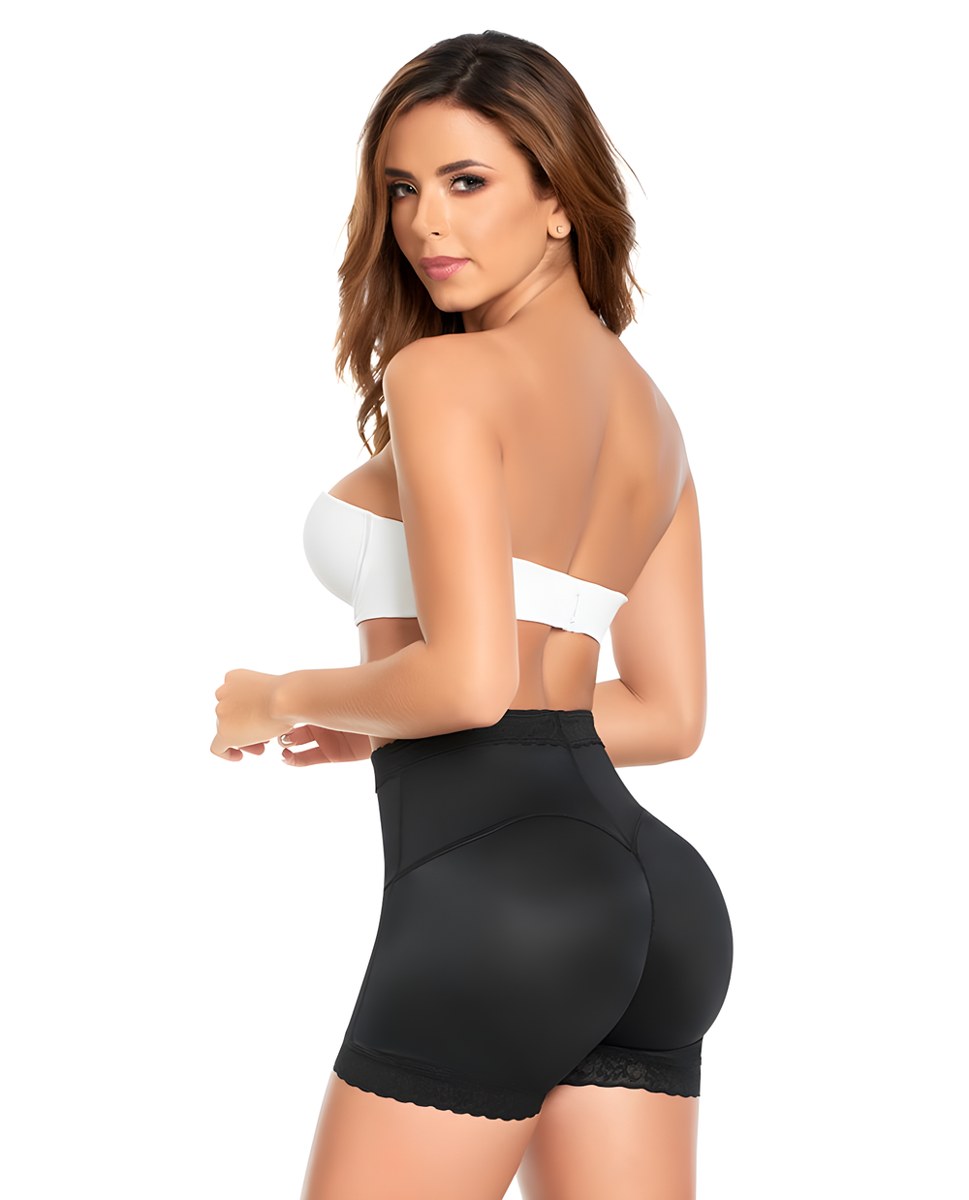 Ann Michell Short Latex
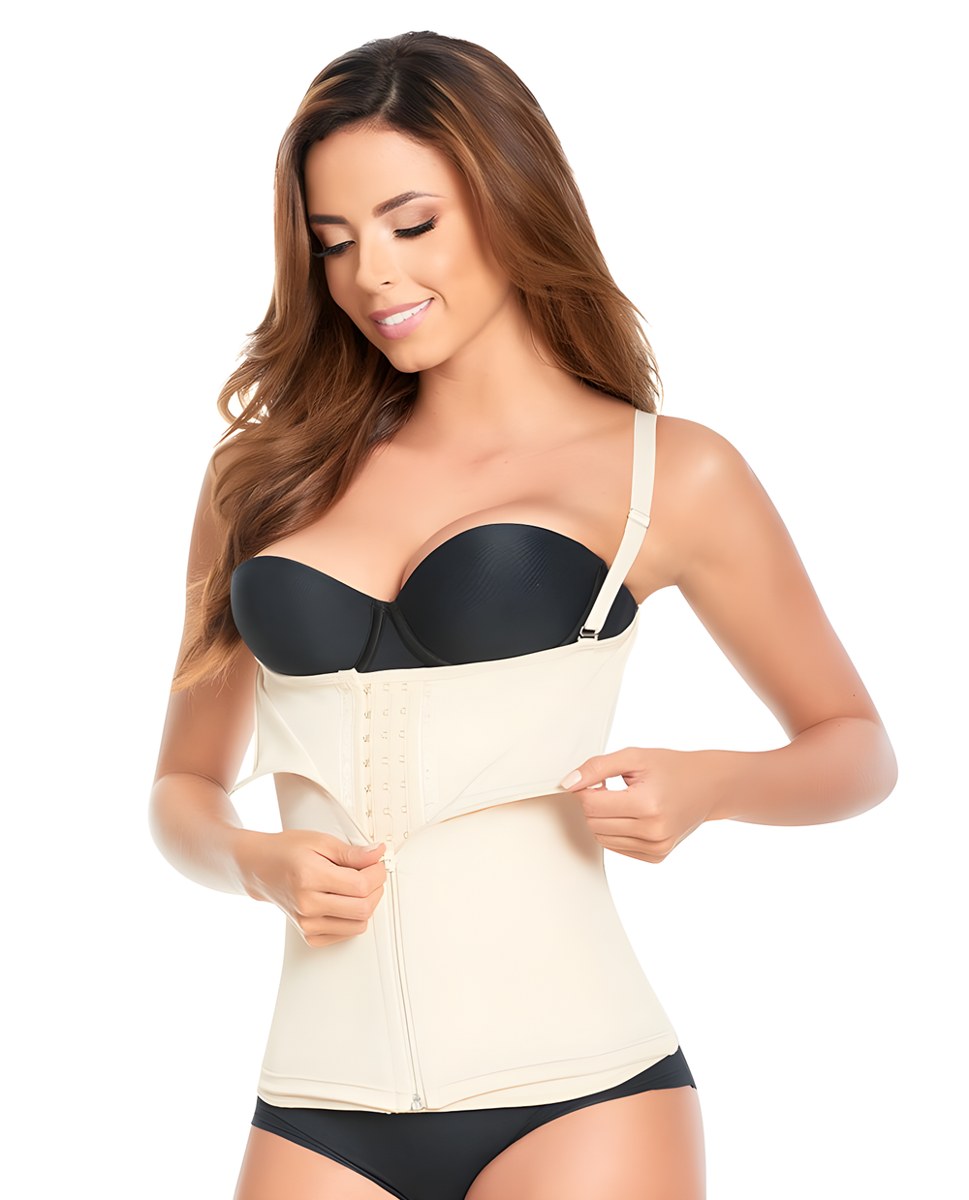 Ann Michell Vest Latex With Zipper – Compression Waist-Trainer | Shapewear
Frequently asked questions
Is Colombia the main source of fajas and shapewear sold in the US?
Colombia has the strongest specialist manufacturing base for compression shapewear (fajas) sold into the US, built around Medellín's apparel cluster. US Census and USITC trade data track this under HS chapters 61/62 (knitted and non-knitted apparel), which doesn't break out "shapewear" as its own line, so treat any specific market-share number you see quoted elsewhere with caution unless it cites a primary source.
What's a realistic MOQ for private label fajas from a Colombian manufacturer?
MOQs vary by factory, fabric, and whether you're ordering an existing style or a custom pattern. Ask each manufacturer directly and get it in writing before you commit — AJAW Trade does not set or guarantee MOQs on any listing.
Do I pay import duty on shapewear from Colombia?
It depends on the HTS classification and whether the shipment qualifies for preferential treatment under the U.S.-Colombia Trade Promotion Agreement, which requires a valid certificate of origin. Confirm the exact HTS code and duty rate with a licensed customs broker or CBP before you commit to pricing — see our companion guide on importing from Colombia for the mechanics.
What fabric should I ask about for compression shapewear?
Most fajas use a powernet or nylon-spandex (elastane) blend for compression, sometimes with a cotton or microfiber lining panel. Compression level, boning, and stitching (flatlock vs. standard) affect both comfort and unit cost — ask for spec sheets and a physical sample before ordering, not just photos.
How do I check that a Colombian manufacturer is legitimate before wiring money?
Ask for their NIT (Colombian tax ID) and business registration, request references or verifiable order history, insist on a paid sample before a bulk order, and use a payment method that only releases funds after you confirm the goods — never wire a full deposit to a factory you found in a single message thread.
Can I get an exclusive style or my own brand label on Colombian-made shapewear?
Many Colombian apparel factories offer private label services — your label, your packaging, sometimes a modified pattern — as a step up from reselling an existing catalog design. See our separate guide on private label vs. contract manufacturing for how that decision actually gets made.