 Trade
TradeNearshoring Apparel Manufacturing: Colombia vs. China
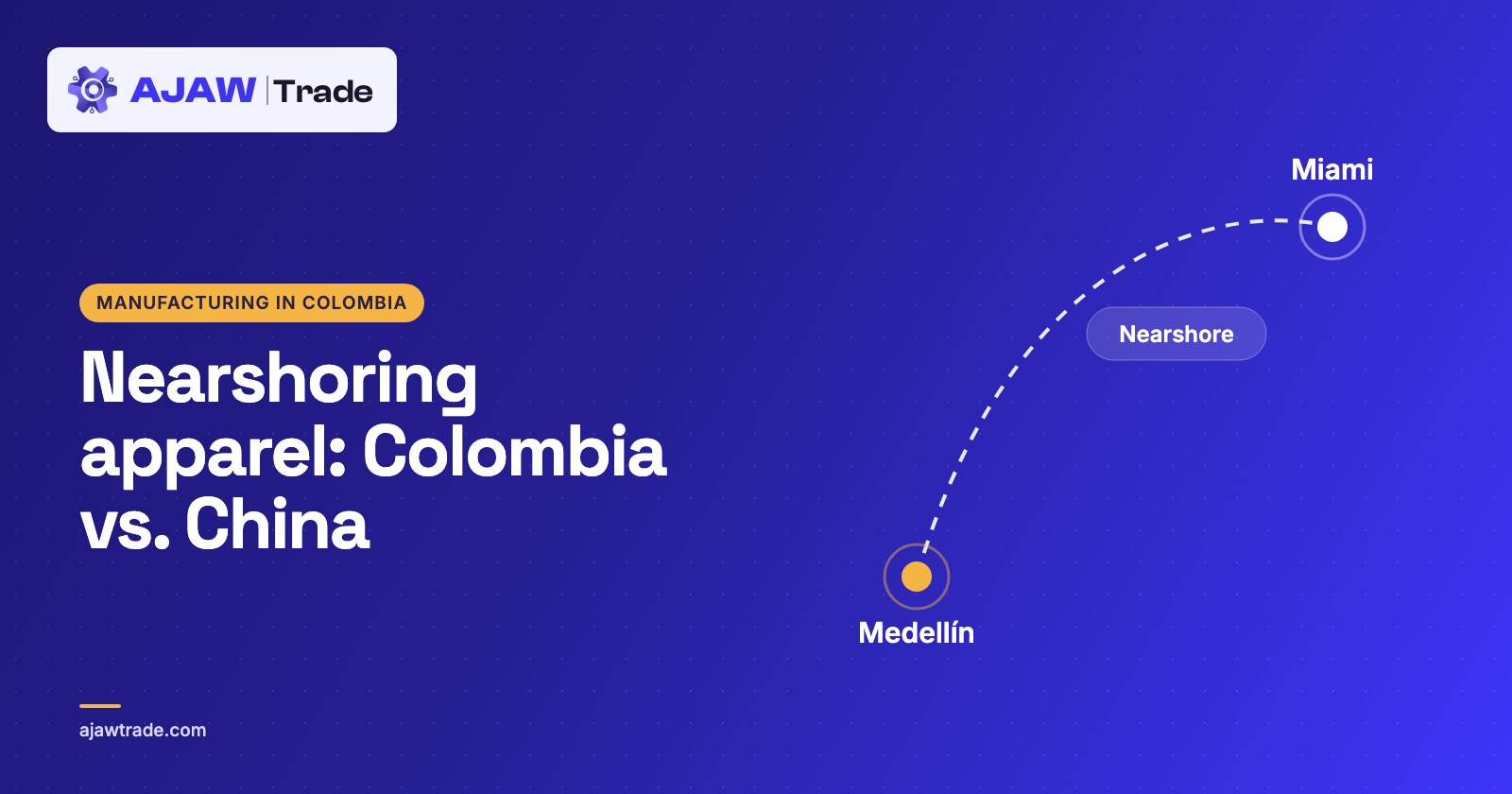
"Nearshoring" gets used as if it's a single lever a brand can pull to fix sourcing. It isn't. Moving from a Chinese factory to a Colombian one changes some real things — freight time, time zone, and for some products, duty treatment — and leaves other things exactly as they were, including the parts of sourcing that actually cause the most expensive mistakes: vetting the factory, checking quality, and getting the paperwork right. This is a plain accounting of which is which.
From AJAW Trade Tell us your spec - verified EMS manufacturers in Mexico quote you directly. Get matched →
Key takeaways
- Ocean freight from Colombia to US Gulf and East Coast ports generally runs under two weeks; from China, three to five weeks is typical for standard ocean service.
- Colombia sits in US-compatible time zones (UTC-5), which shortens the back-and-forth on sample revisions compared with a 12-13 hour offset.
- Preferential duty treatment under the U.S.-Colombia Trade Promotion Agreement depends on HTS classification and a valid certificate of origin — it is not automatic (USTR, checked 2026-09-22).
- Per-unit manufacturing cost comparisons between Colombia and China vary by product and are not something either country publishes as a single reliable figure — be skeptical of round numbers.
- Vetting, sampling, and quality control work the same way regardless of which country the factory is in — nearshoring doesn't remove that step.
What genuinely changes
Freight time. Colombia to the US Gulf Coast or Miami is a short ocean leg by container-shipping standards — typically well under two weeks transit — versus three to five weeks from major Chinese ports on standard (non-expedited) ocean service. For a brand managing seasonal inventory or reordering a fast-moving style, that difference compounds: shorter transit means smaller safety-stock buffers and faster response to a style that's selling out.
Time zone overlap. Colombia runs on UTC-5 year-round, the same zone as US Eastern Standard Time (and one hour off Eastern Daylight Time). A sample revision that takes three email cycles across a 12-13 hour China time difference can happen same-day with a Colombian factory. This is a real, underrated cost saver during development — it's during development, not during steady-state reorders, that the time difference matters most.
Duty treatment, conditionally. The U.S.-Colombia Trade Promotion Agreement, in force since May 15, 2012, eliminates or reduces tariffs on qualifying goods (USTR, checked 2026-09-22). The word doing the work there is "qualifying" — apparel specifically has a "yarn-forward" rule of origin, meaning the yarn and fabric generally need to originate in the US or Colombia for the preferential rate to apply, and you need a valid certificate of origin regardless. Chinese-made apparel, by contrast, has faced Section 301 tariffs layered on top of standard duty since 2018-2019 on many categories — a genuine, if variable, cost difference, but one that depends on your specific HTS classification, not on a blanket "Colombia is cheaper" assumption.
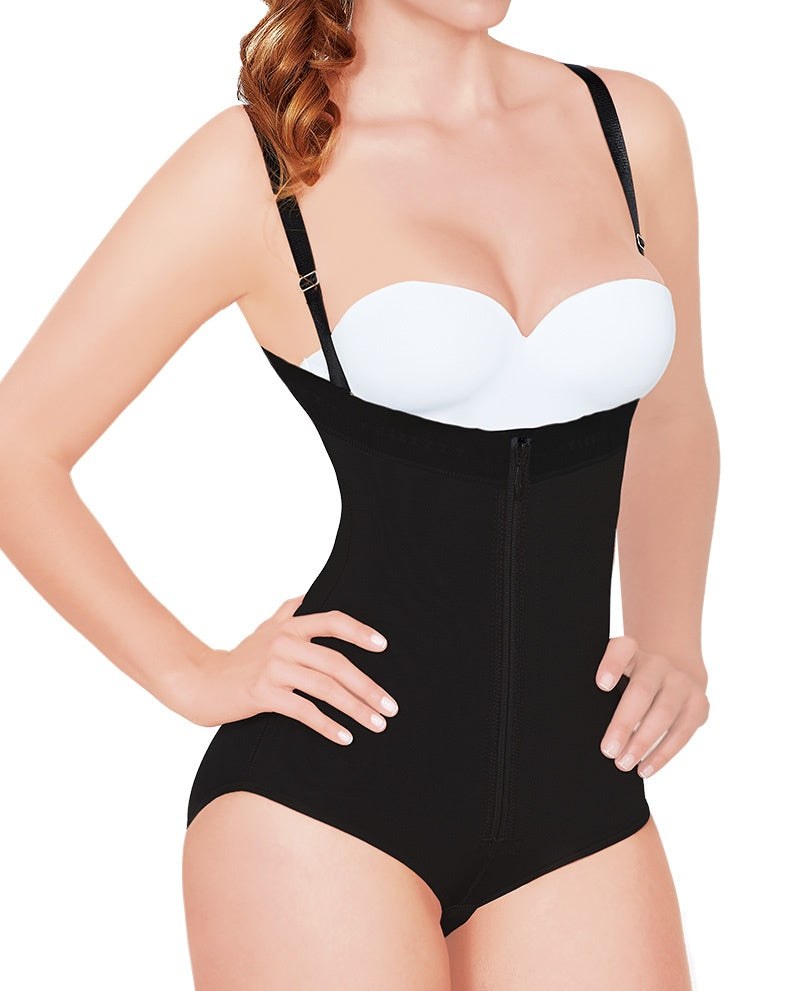
Manufacturing specialization by category. Colombia's apparel strength is concentrated — compression shapewear and fajas, swimwear, and activewear have a deep, specialist manufacturing base (see our wholesale fajas and shapewear guide). China's manufacturing base is broader across categories and typically deeper on complex electronics-adjacent apparel (integrated wearables, technical outerwear at extreme scale). Matching the country to the category matters more than a blanket "nearshore everything" strategy.
What does not change
Vetting the factory. Ask for business registration (a Colombian factory's NIT, the equivalent of a US EIN), request references or verifiable order history, and don't wire a deposit to a factory you found in a single unverified message thread — this is true whether the factory is in Bogotá or Guangzhou.
Sampling before bulk. A physical sample tells you things photos can't: fabric weight, stitching quality, actual fit. Skipping this step to save a week is the single most common way buyers end up with a container of product they can't sell, regardless of country of origin.
Quality control. Nearshoring doesn't inspect your goods for you. A pre-shipment inspection — either your own or a third-party inspector's — catches problems before the container leaves, not after it lands.
Correct classification and documentation. Every import, from every country, needs the correct HTS code and the importer of record (you, the US buyer) is legally responsible for that classification and for any duty owed, even when a broker files the entry (CBP, checked 2026-09-22). Nearshoring changes the transit time to the port, not the compliance obligation once the goods arrive.
Compare verified manufacturers in Colombia
Real, approved factories by category - shapewear, apparel, coffee and more.
Browse Colombia Manufacturers →A grounded way to decide
Rather than treating "nearshore or don't" as a single decision, break it down by what you're actually optimizing for:
- Optimizing for reorder speed on a fast-moving style? Freight time and time-zone overlap favor Colombia meaningfully.
- Optimizing for lowest possible unit cost on a simple, high-volume basic? Get quotes from both and compare landed cost — unit price plus freight plus duty — rather than assuming either country wins by default.
- Optimizing for a category where Colombia has deep specialization (fajas, shapewear, swimwear, activewear)? The quality and consistency advantage of a specialist factory can outweigh a marginal unit-cost difference elsewhere.
- Optimizing for development speed on a new, iterative product? Time zone overlap during sampling is a genuine, underrated Colombia advantage.
Where AJAW fits, honestly
AJAW Trade lists Colombian manufacturers directly — their own catalogs, their own quotes — and holds buyer payment until you confirm delivery, with the manufacturer paying a 10% commission rather than the buyer. AJAW doesn't set prices, guarantee MOQs, or file customs entries on your behalf. Browse manufacturers by category at /manufacturers/colombia, see how payment protection works at /protection, and post a sourcing brief at /rfq if you want quotes from more than one factory at once. For the compliance side of a Colombia order specifically, read Importing from Colombia to the US: duties & trade agreement.
Compare manufacturers on AJAW Trade
Sources
- USTR — U.S.-Colombia Trade Promotion Agreement (checked 2026-09-22)
- USTR — Colombia country/region page (checked 2026-09-22)
- CBP — Basic Importing and Exporting (checked 2026-09-22)
- USITC — Harmonized Tariff Schedule search (checked 2026-09-22)
Shop products from this article
Frequently asked questions
Is nearshoring to Colombia actually faster than sourcing from China?
Ocean freight from Colombia to the US East Coast or Gulf typically runs under two weeks versus three to five weeks from China, and Colombia's time zone overlaps with US business hours, which speeds up sampling revisions. Total lead time still depends on the factory's own production queue and your order's complexity — nearshoring shortens the shipping and communication legs, not the manufacturing one.
Is Colombian manufacturing cheaper than Chinese manufacturing?
Not reliably, and any specific per-unit comparison you see quoted online should be treated as unverified unless it names its source. Total landed cost — unit price plus freight, duty, and the cost of revision cycles — is the number that matters, and it varies by product category and order size.
Does the U.S.-Colombia trade agreement mean products from Colombia are always duty-free?
No. Preferential treatment under the Trade Promotion Agreement depends on the product's HTS classification and a valid certificate of origin — it isn't automatic for every Colombia-origin shipment (USTR, checked 2026-09-22). See our dedicated guide on importing from Colombia for the mechanics.
What industries is Colombia strongest in for nearshored manufacturing?
Compression shapewear and fajas, swimwear, and activewear have the deepest specialist manufacturing base, concentrated around Medellín. Colombia also exports significant volumes of coffee, cut flowers, and other agricultural goods, but those aren't manufactured-to-order categories in the same way.
What doesn't change when you nearshore from China to Colombia?
You still need to classify your product correctly for customs, still need to vet the factory before wiring money, still need physical samples before a bulk order, and quality control still depends on inspection, not on which country the factory is in.