 Trade
TradeColombian Coffee Wholesale: Beans, Pricing, and How Buying Direct Works
Colombian coffee wholesale pricing is built from two public benchmarks, not a number a broker invents: the New York "C" ICE futures contract and Colombia's own internal reference price, both published daily. On the day this was checked, the Federación Nacional de Cafeteros (FNC) listed the NY "C" price at 272.30 cents per pound and the internal reference price at COP 2,010,000 per carga (a 125 kg load of dry parchment coffee), with the peso at COP 3,203 per dollar (FNC, checked 2026-09-22). A real quote should trace back to those numbers, for that day.
From AJAW Trade Real, approved factories by category - shapewear, apparel, coffee and more. Browse Colombia Manufacturers →
Key takeaways
- US imports of Colombian coffee (HS chapter 09) reached $2.76 billion in 2025, and the trend was up year-over-year, the single largest South American export category in AJAW's dataset (AJAW Trade analysis of UN Comtrade data, 2025).
- Colombia's internal reference price and the NY "C" price are both published daily by the FNC and move with the peso-dollar exchange rate, so a flat "wholesale price" with no date attached is a red flag (FNC, checked 2026-09-22).
- Unroasted, non-decaffeinated green coffee (HS code 0901.11.00) enters the US duty-free under the general tariff schedule, independent of any trade agreement with Colombia (Flexport HS data, checked 2026-09-22).
- ICO's Colombian Milds indicator averaged roughly 324.6 US cents per pound in June 2026, a separate international benchmark worth checking against the FNC's own internal price (ICO, Coffee Market Report, checked 2026-09-22).
- The "Café de Colombia" seal is a licensed designation, not a phrase any bag can print: licensees submit packaging for approval and provide periodic samples for verification (cafedecolombia.com, checked 2026-09-22).
How the pricing mechanism actually works
The FNC publishes its internal reference price daily, and the price "varies according to the distance from the point of purchase," because Colombia's cooperative network covers the cost of collecting coffee from growers under that same price (FNC, checked 2026-09-22). In practice, the number you see quoted is a moving benchmark tied to the NY "C" contract and that day's exchange rate, not a fixed seasonal price.
Working from the same day's figures: COP 2,010,000 per 125 kg carga works out to roughly COP 16,080 per kilogram of dry parchment coffee, which at COP 3,203 to the dollar is close to $5.02 per kilogram, or about $2.28 per pound, at the farm-gate reference level, before milling, export costs, and margin. That sits below the NY "C" level of $2.72 per pound, which prices milled, export-ready green coffee rather than unmilled parchment at the point of purchase. It's also below ICO's Colombian Milds indicator, which averaged about 324.6 cents ($3.25) per pound in June 2026 across a basket of Colombian-origin arabica exports (ICO, checked 2026-09-22) — a reminder that "the Colombian coffee price" actually means several different benchmarks depending on where in the supply chain you're measuring. A wholesale quote well above all three, with no explanation of what's been added, is worth questioning directly.
Buying direct vs. through a US importer
| Factor | Buying direct from a Colombian exporter | Buying through a US importer/distributor |
|---|---|---|
| Price transparency | You can trace the quote to the FNC's daily reference price and the NY "C" level | Usually a single landed price with the origin math hidden |
| FSVP compliance | Sits entirely on you as the US importer of record | Handled by the importer/distributor, who has usually already done it |
| Minimum order | Set by the exporter, often larger (container-level) | Often smaller, since the distributor buys in bulk and resells in smaller lots |
| Traceability to a specific farm or region | Possible to negotiate directly | Depends entirely on what the distributor discloses |
| Relationship speed | Slower to set up, faster to reorder once trust is established | Faster to start, but you're a step removed from the roast or lot |
Who can actually export it
Not every Colombian company selling coffee is licensed to export it. By delegation from the national government under Law 9 of 1991 and Decree 1714 of 2009, the FNC maintains the National Registry of Coffee Exporters and sets registration requirements for exporters, roasters, mills, and soluble coffee producers (FNC, checked 2026-09-22). Asking a supplier for their registration in that national registry is a real, checkable step, not a formality.
Green vs. roasted, and why tariffs matter less than people assume
Unroasted, non-decaffeinated coffee (HS code 0901.11.00 — the Harmonized System classification that sets the duty rate) enters the US duty-free under the general tariff schedule, with no trade-agreement dependency (Flexport, checked 2026-09-22). Don't let anyone sell you on tariff savings as the reason to buy Colombian green coffee specifically — the real differentiators are traceability, roast control, and direct pricing.
Because coffee is a food product, US import rules apply on top of any Colombia-side paperwork. Under the FDA's Foreign Supplier Verification Program (FSVP) rule, the US importer of record (the party legally responsible for the shipment at the border) must verify that foreign suppliers meet applicable food-safety standards before the product enters the country, through hazard analysis, supplier evaluation, and ongoing verification (FDA, FSVP final rule, checked 2026-09-22). That obligation sits with the US importer, not the Colombian exporter.
Source Colombian coffee direct from exporters
Tell us the origin, grade and volume you need — we'll match you with verified Colombian coffee exporters.
Request a quote →What entering the US actually requires
Coffee is a normal commercial import as far as CBP is concerned: no license required, but "you, the importer of record, are ultimately responsible for the correctness of the entry documentation presented to CBP and all applicable duties, taxes and fees," broker or no broker (CBP, checked 2026-09-22). That CBP-level responsibility sits alongside the FSVP obligation above, not instead of it. Agree on Incoterms (standardized shipping terms like FOB, which puts the exporter's responsibility at the origin port, versus DDP, which pushes it all the way to your door) before the first invoice, so nobody is surprised by who pays for ocean freight, insurance, or the last-mile delivery.
Private label coffee, in practice
Private label means a roaster produces and packs coffee under your brand rather than theirs. Settle these before signing: who owns the roast profile if you switch roasters later, the MOQ (minimum order quantity) per SKU, whether packaging is included or billed separately, and whether the supplier can hold a consistent cup across multiple production lots, not just one good sample bag. If you're weighing private label against a deeper manufacturing partnership, see Private Label vs. Contract Manufacturing (Maquila) — the same distinction applies to coffee roasting as it does to apparel.
Checklist before buying Colombian coffee wholesale
- Ask which day's NY "C" price and FNC internal reference price the quote is based on, and get it in writing.
- Confirm the supplier's registration in the FNC's National Registry of Coffee Exporters.
- Decide green vs. roasted before comparing quotes; they're priced and regulated differently.
- If you're the importer of record, understand FSVP compliance is your responsibility, not the exporter's, before the first shipment lands.
- For a "100% Colombian" or "Café de Colombia" claim, confirm the supplier is actually licensed to use it.
- Agree on Incoterms and who is the importer of record in writing, before the first payment.
For the customs side of any Colombian shipment, not just coffee, see Importing From Colombia to the US: Duties, the Trade Agreement, and Who Pays What.
Where AJAW fits, honestly
AJAW Trade's coffee category is early. Real, verified manufacturers are added one at a time rather than claiming a directory that doesn't exist yet. What's live now: search by category at /search, a growing manufacturer list at /manufacturers/colombia, and a way to send a direct sourcing request at /rfq. AJAW holds the buyer's payment and releases it once delivery is confirmed, and charges the manufacturer, not the buyer, a 10% commission; the mechanics are at /protection and /secure-payments. For the broader case on sourcing from Colombia instead of China, see Make It in South America, Not China. If you roast or export coffee in Colombia and want US buyers to find you directly, list free at /sell.
Compare manufacturers on AJAW Trade
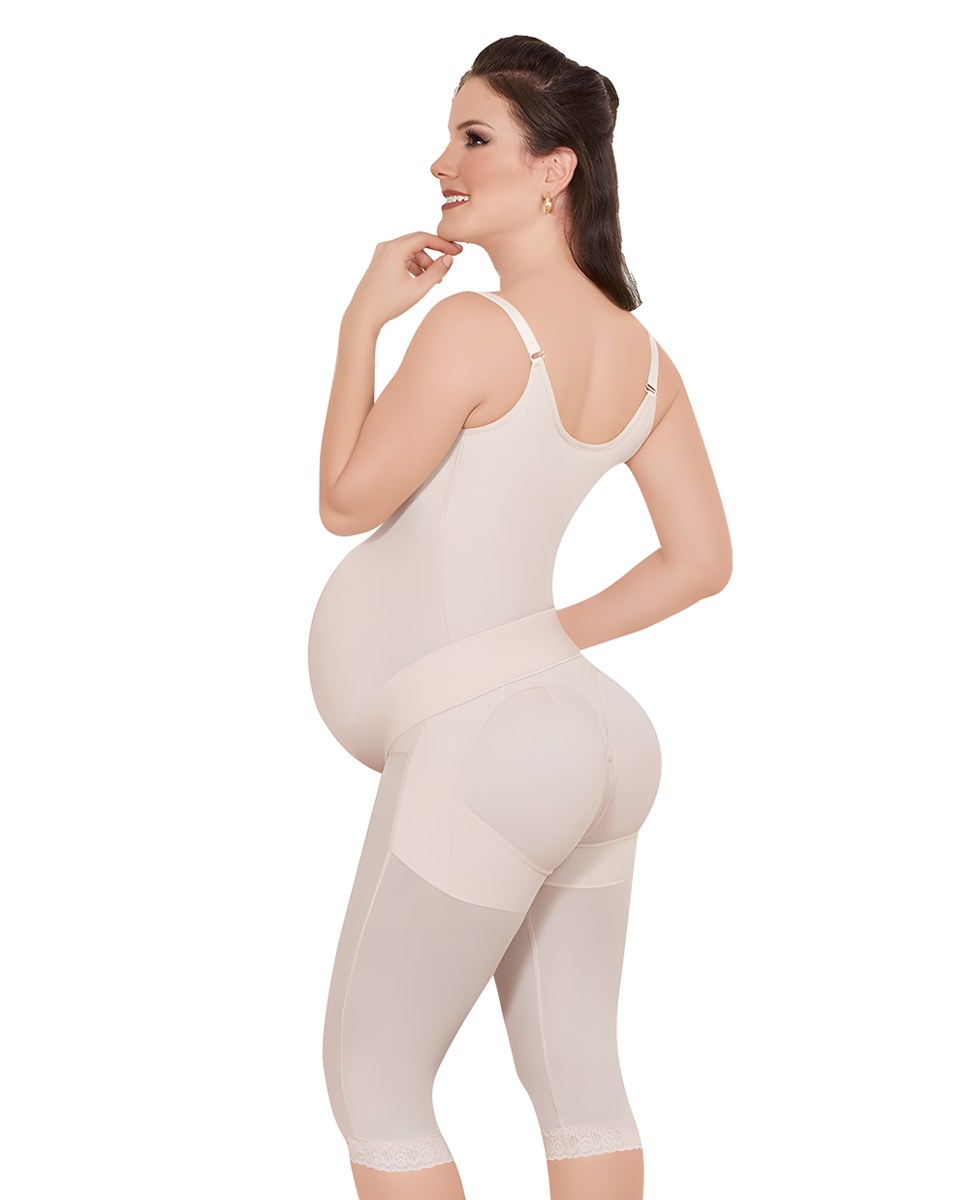 Ann Michell Luciana – Full-Body Colombian Shaper Faja | Compression ShapewearView →
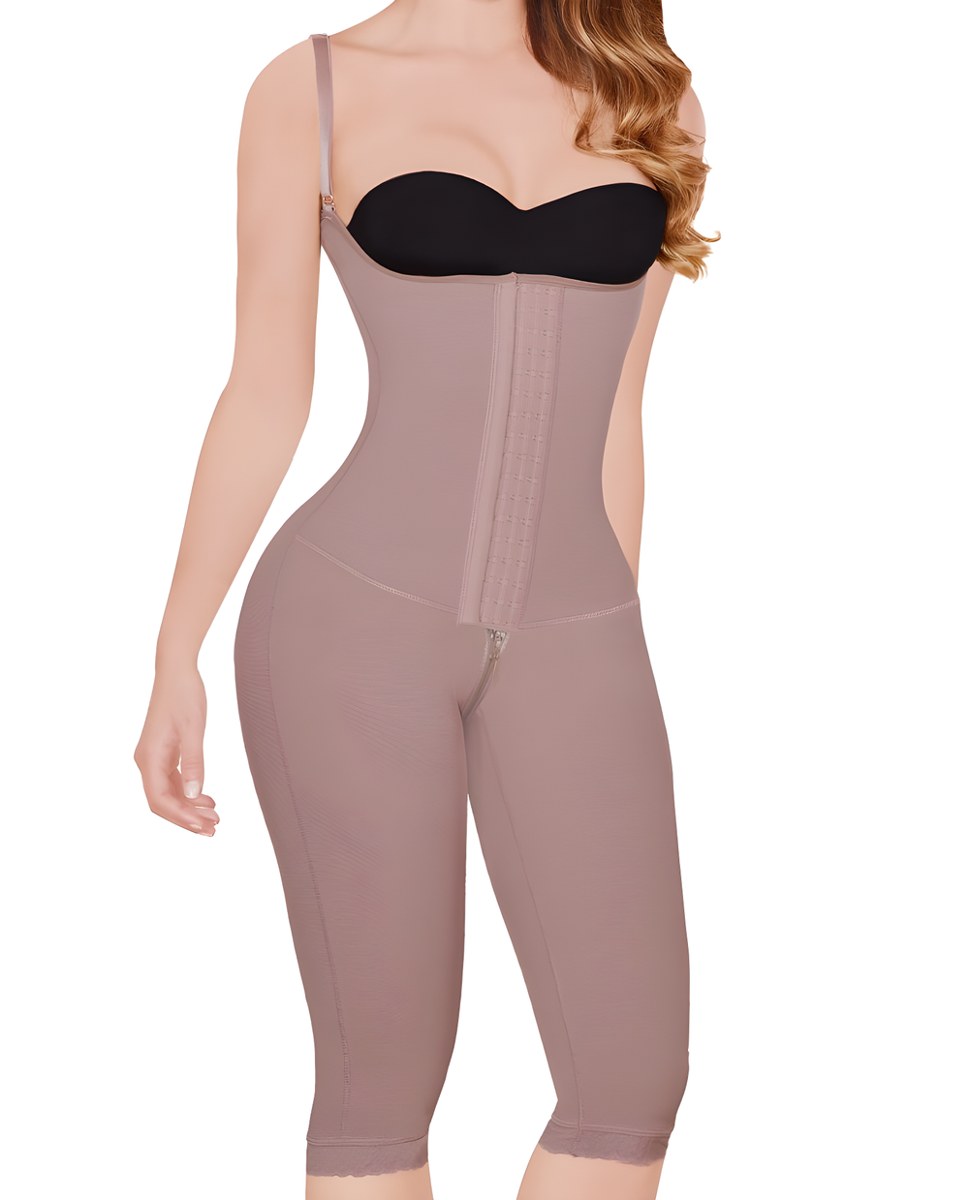 Ann Michell Ella – Full-Body Colombian Shaper Faja | Compression ShapewearView →
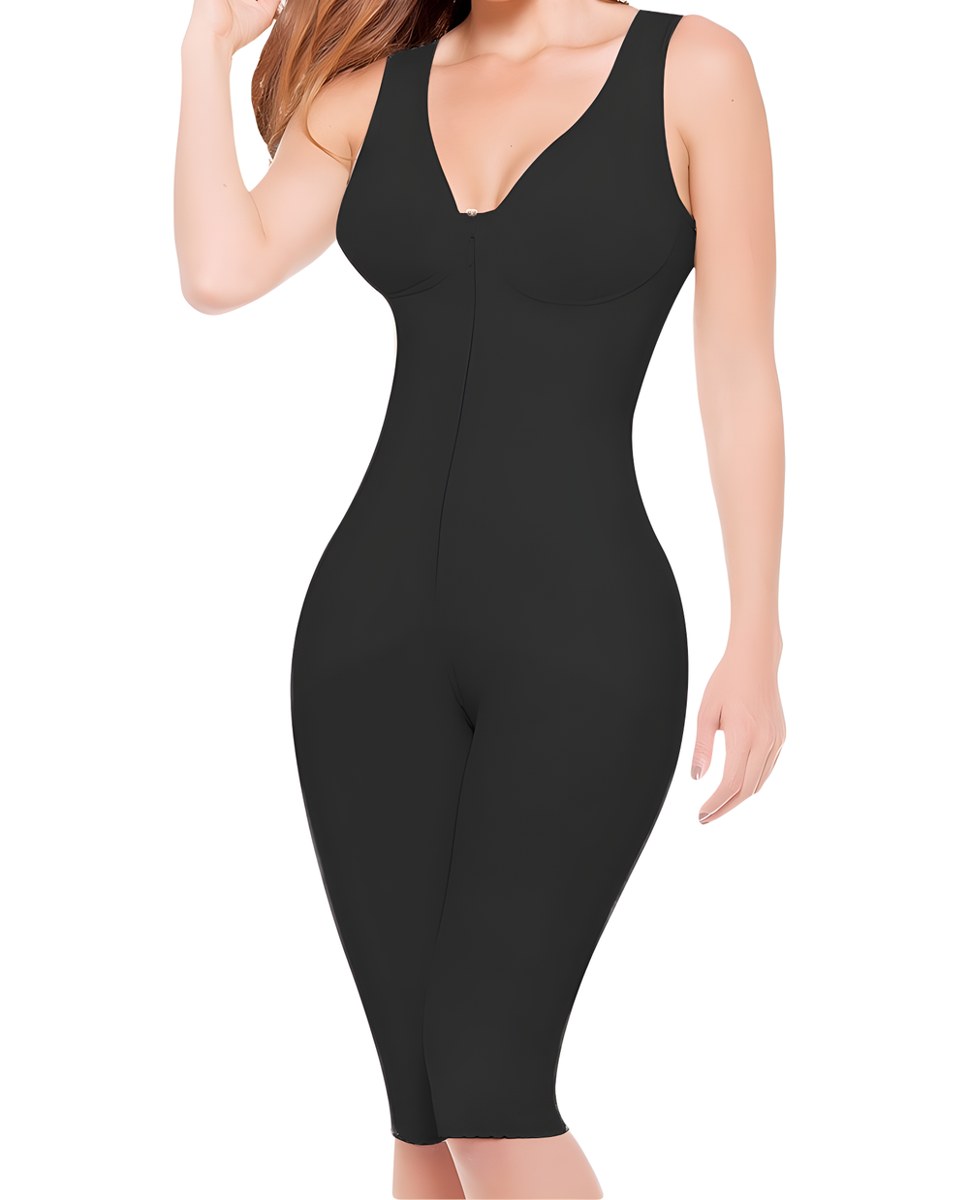 Ann Michell Venuz Black – Full-Body Colombian Shaper Faja | Post-Surgery & Postpartum Compression ShapewearView →
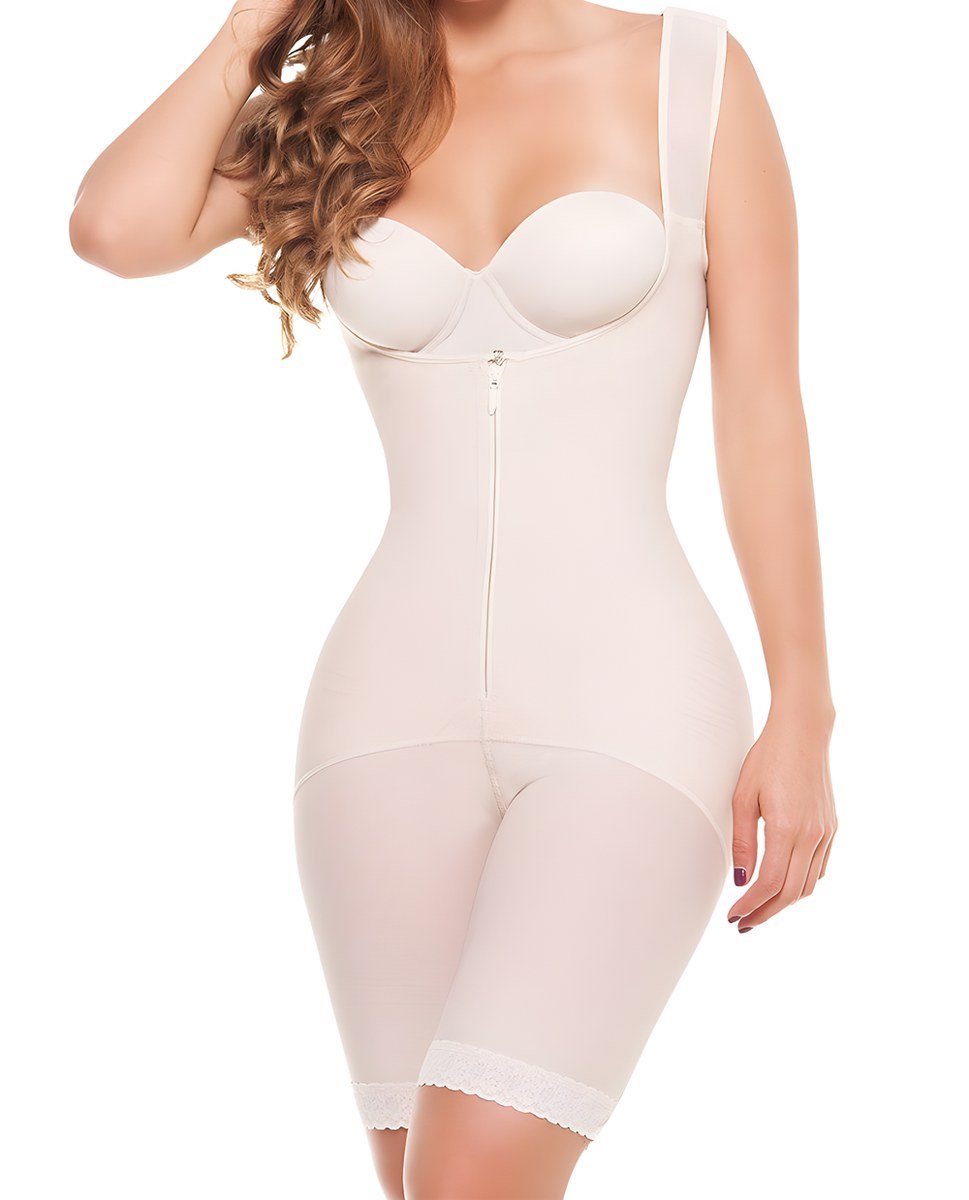 Ann Michell Jackeline – Full-Body Colombian Shaper Faja | Post-Surgery & Postpartum Compression ShapewearView →
FAQ
Shop products from this article
Ann Michell Luciana – Full-Body Colombian Shaper Faja | Compression ShapewearAnn Michell Ella – Full-Body Colombian Shaper Faja | Compression ShapewearAnn Michell Venuz Black – Full-Body Colombian Shaper Faja | Post-Surgery & Postpartum Compression ShapewearAnn Michell Jackeline – Full-Body Colombian Shaper Faja | Post-Surgery & Postpartum Compression Shapewear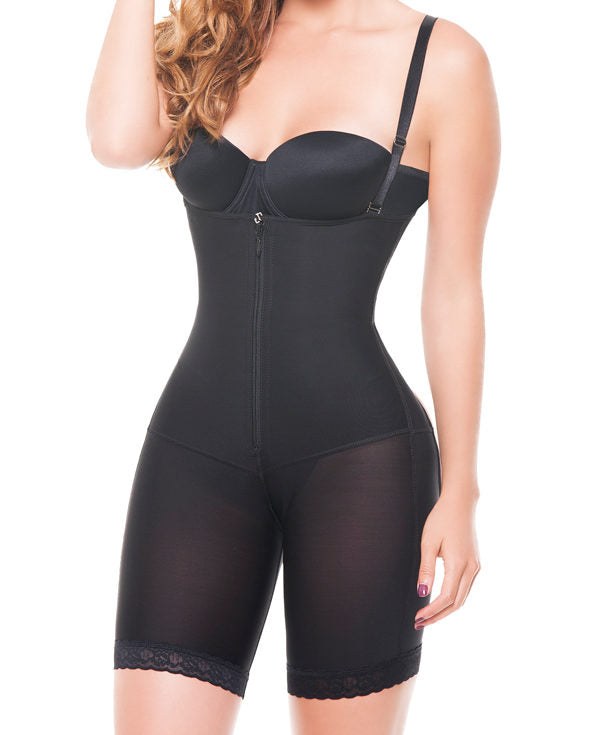 Ann Michell Anny Black – Full-Body Colombian Shaper Faja | Post-Surgery & Postpartum Compression Shapewear
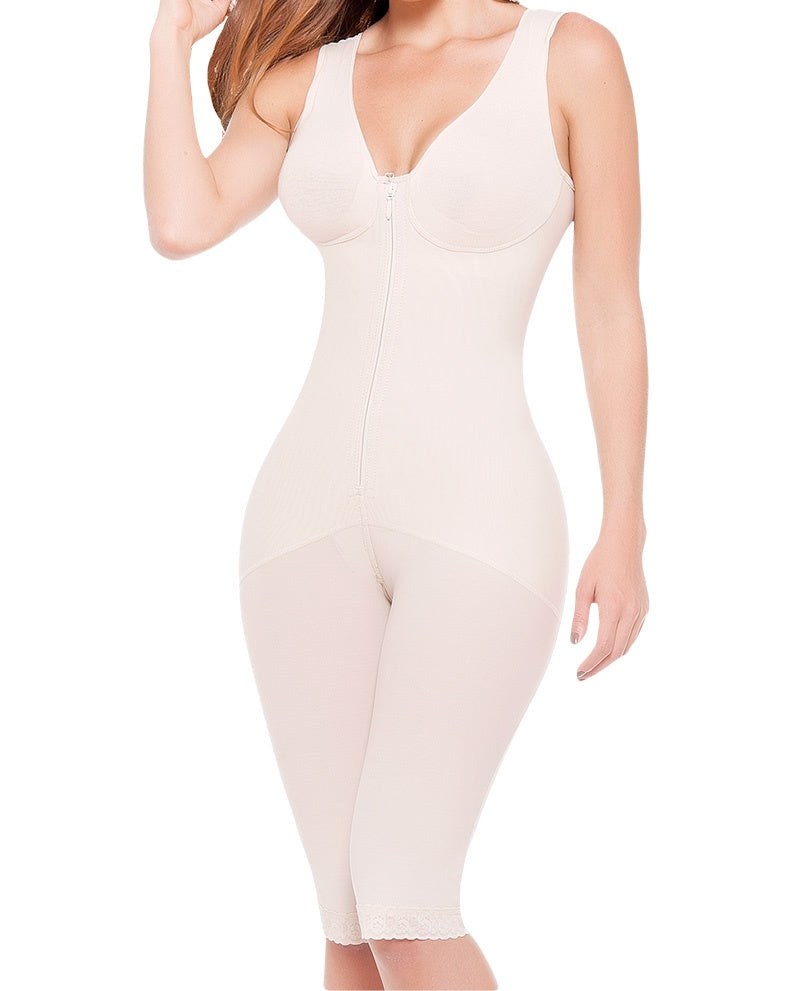 Ann Michell Venuz Beige – Full-Body Colombian Shaper Faja | Post-Surgery & Postpartum Compression Shapewear
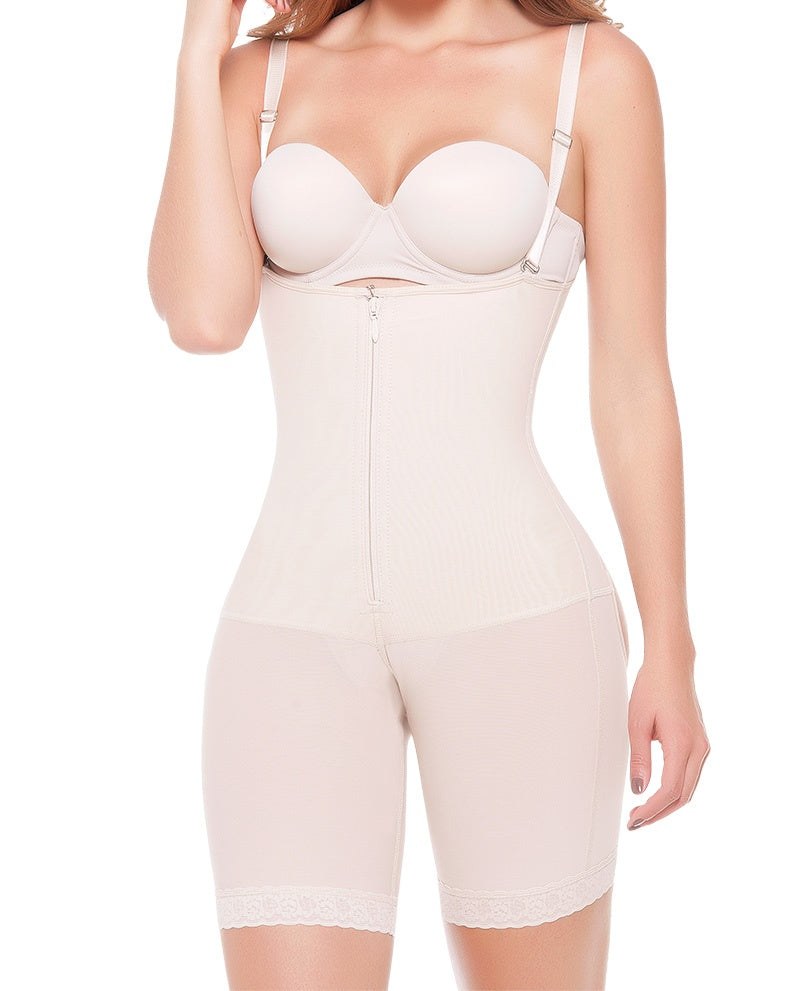 Ann Michell Anny Beige – Full-Body Colombian Shaper Faja | Post-Surgery & Postpartum Compression Shapewear
 Sport Girdle Short Torso 2 Hooks Black
Frequently asked questions
What is 100% Colombian coffee?
It's coffee marketed under the "Café de Colombia" seal, a designation administered by the Federación Nacional de Cafeteros. Licensees must submit packaging for approval, provide periodic samples for verification, and renew the license annually before they can use the name.
How does Colombian coffee wholesale pricing actually work?
Pricing is anchored to the New York "C" ICE futures contract plus Colombia's own internal reference price, both published daily by the FNC and adjusted for the peso-dollar exchange rate. A real quote should reference which day's benchmark it's built on, not a flat seasonal number.
Where can I buy green coffee beans wholesale?
Directly from an FNC-registered Colombian exporter, or through a US-based importer or distributor who has already handled FSVP compliance. Direct buying gives you clearer pricing traceability; buying through a distributor is faster to start but puts you a step removed from the origin.
What is private label coffee?
Private label coffee is roasted and packaged by a supplier under your brand name instead of theirs. It requires agreeing on roast profile ownership, packaging, MOQ per SKU, and consistency across production lots before you sign anything.
Can I buy Colombian coffee beans wholesale directly, without a US distributor in between?
Yes, if the seller is registered in the FNC's National Registry of Coffee Exporters, but you or your importer of record still take on FDA FSVP obligations when the coffee is a food product entering the US directly.
What are the different types of Colombian coffee?
At the export level, the FNC's registry separates green coffee, roasted coffee, soluble or instant coffee, and coffee extract, each with its own registration path. Confirm which category you're actually sourcing before comparing supplier quotes.